The most useful maintenance plan is the one you can explain on an ordinary Wednesday. What will you eat when work runs late? When will you move your body? Who will help if hunger becomes difficult to manage again?
Maintaining weight loss after a GLP-1 usually calls for ongoing clinical follow-up, adequate nutrition, regular activity and a clear response to changes in appetite or weight. Those habits support your health, but they do not guarantee that you will avoid regain or remove the need for further treatment.
If your prescription is ending, begin with your prescriber. Then build a routine around the life you actually have.
First, define what you are trying to maintain
Weight may be one goal. It should not be the only way you decide whether your plan is working.
You may also want to preserve the ability to walk comfortably, lift your usual weights, keep up with your children, manage glucose or feel less preoccupied with food. Write down the outcomes that matter to you and bring them to your follow-up visit.
This helps prevent an easy mistake: reacting to every change on the scale while overlooking a decline in strength, nutrition or quality of life.
Ask your clinician to identify the measures that belong in your care. A glucose target is not the same as a weight target. A person stopping a medication for side effects may need a different plan from someone whose coverage has changed.
Keep support in place when medication changes
Medication withdrawal trials show why maintenance deserves its own care plan. Weight regain was common after semaglutide and tirzepatide were withdrawn. The details differed between studies, and the findings describe averages, not a prediction for you.¹˒²
Avoid turning those results into an argument that healthy habits are pointless. They show that medication effects can be important and that long-term treatment decisions need medical attention.
Before a prescription ends, confirm the next appointment, who to contact between visits and what would trigger an earlier review. If cost is driving the change, say so directly. Your care team can discuss available treatment options more effectively when they know the actual barrier.
Build meals you can repeat without feeling trapped by them
A rigid menu often works until the first busy week. Instead, create a small collection of meals you enjoy and can assemble easily.
For example, your reliable lunches might include a chicken and bean bowl, lentil soup with yogurt, or tofu with rice and vegetables. Keep enough ingredients on hand that lunch does not require a fresh decision every day.
Then consider your hardest part of the day. If you arrive home hungry and dinner is still an hour away, a planned snack may be more useful than another rule about avoiding the kitchen. Try a combination you find satisfying, such as fruit with yogurt or toast with an egg, and observe how it fits your day.
These are meal-planning examples, not a prescribed calorie intake. The right portions and overall pattern depend on your needs, preferences, symptoms and medical advice.
Make room for changing appetite
The amount of food that felt comfortable during treatment may no longer be the amount that feels comfortable afterward. Discuss that change rather than trying to reproduce your lowest-appetite days indefinitely.
Ask a registered dietitian to help you assess whether your routine supplies enough nourishment and whether the spacing of meals works for you. A useful plan should accommodate workdays, weekends, travel and meals with other people.
Give exercise a job beyond burning calories
Choose activities you are willing to keep doing. Strength, mobility, cardiovascular fitness and enjoyment are all good reasons to move, even when the scale is uncooperative.
There is relevant research here. A follow-up of a randomized trial involving liraglutide and supervised exercise found better weight-loss maintenance after treatment ended among participants previously assigned exercise than among those who had used liraglutide alone. The trial had a specific population, an initial low-calorie diet and a structured exercise program. It does not prove that a few workouts replace any GLP-1 medication.³
It does make the case for building movement into the treatment journey rather than saving it for the day a prescription ends.
Put the first sessions on the calendar
Start with an achievable commitment. That could mean two appointments with a qualified trainer, a beginner strength class or a physical therapist's program if pain or mobility is limiting you. Ask how to progress the exercises and how to recognize when a movement needs adjusting.
For walking or other aerobic activity, choose a repeatable cue: after lunch, before your commute or with a friend on the weekend. An activity you can return to after an interrupted week is more valuable than an ambitious plan you abandon after missing a day.
Use a short weekly review
Check the parts of your plan that you can change:
- Were meals reasonably consistent, or did you repeatedly reach dinner underfed?
- Did you have the groceries and time you needed?
- Were you able to keep your planned activity appointments?
- Did hunger, symptoms or food-related thoughts become harder to manage?
- Is there a question that needs your clinician's input?
If weighing is appropriate for you, review the trend using the approach agreed with your care team. If it becomes distressing, say so. Monitoring should support care rather than make each morning feel like an exam.
Pick one adjustment at a time. Perhaps the problem is an unpredictable lunch break. Solving that with a portable lunch may be more useful than redesigning your entire diet.
Decide how you will respond to a difficult week
A plan becomes more durable when it includes disruption. Work travel, poor sleep, a family illness or a painful knee should not require you to start from scratch.
Write a smaller version of your routine for those weeks. You might use convenient meals, shorten an exercise session or ask someone to help with groceries. Keep the parts that make daily life easier, then rebuild as circumstances improve.
If appetite or weight changes persist, contact your clinician. Do not wait until you feel you have earned another appointment by trying harder. Treatment can be reassessed, and the answer may involve more support or medication.
Where does Mimio fit in a maintenance conversation?
People exploring longer-term metabolic health often become curious about supplements. Evaluate that interest separately from the question of how to maintain a medication-related weight change.
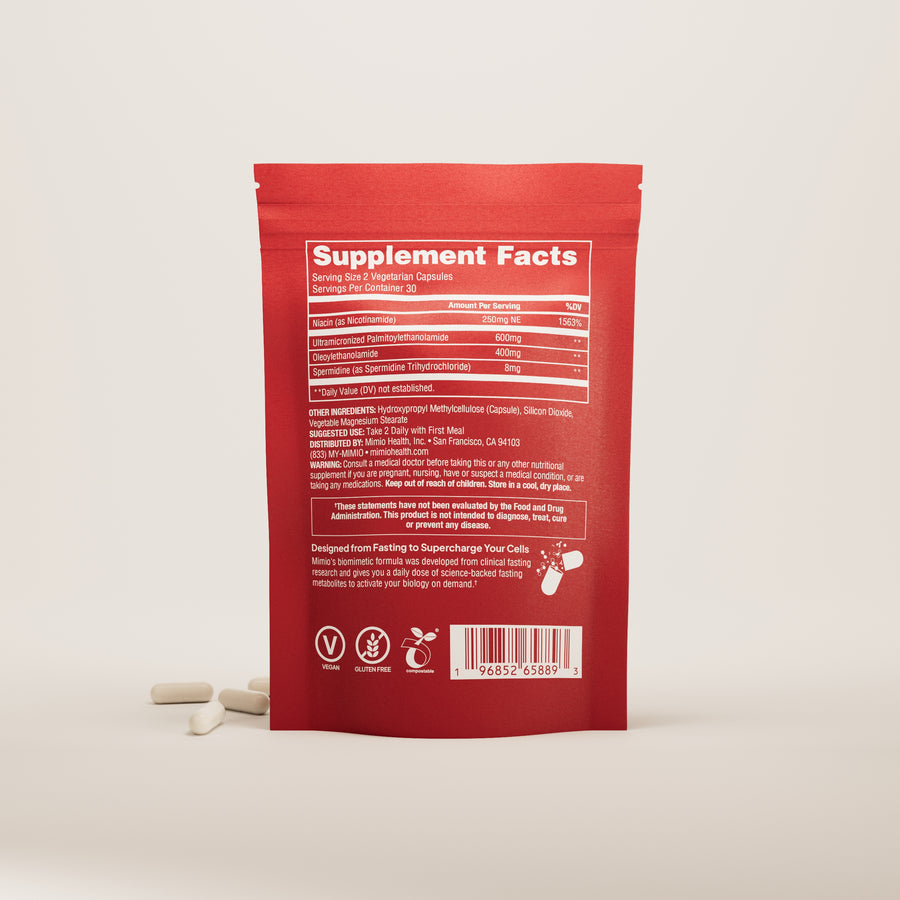
Mimio is a dietary supplement. Its research should not be treated as evidence that it prevents weight regain after GLP-1 treatment. For the underlying appetite biology, our OEA guide explains one ingredient used in the formula.
If a supplement is something you and your clinician want to consider, see the Mimio formula. Bring the ingredient list, your medication list and a specific question about fit. That is a better starting point than expecting any product to take over the job of a discontinued prescription.
A practical maintenance checklist
Before your next visit, aim to have five things written down:
- Your next follow-up appointment and contact person.
- The health outcomes you and your clinician are monitoring.
- Three or four meals you can rely on during a busy week.
- An activity plan matched to your current ability.
- The changes that should prompt you to ask for help.
Keep it short enough to use. Add detail only when it solves a real problem.
Common maintenance questions
Can I maintain my progress without medication?
Some people maintain meaningful changes after treatment ends; others need ongoing or alternative treatment. Your previous response, medical needs and circumstances matter. A maintenance plan should allow for reassessment rather than promising that one approach will work indefinitely.
Should I keep eating as little as I did while taking a GLP-1?
Do not use your smallest meals during treatment as an automatic target. Ask your dietitian or clinician to assess your current intake and needs, especially if you are tired, weak, struggling to exercise or preoccupied with food.
Is fasting a good way to stop regain?
There is no reason to assume that a longer fasting window will replace a medication's effects. If you already use time-restricted eating, review whether it still fits your nutrition and medical needs. Our GLP-1 overview explains why appetite regulation involves more than meal timing.
What counts as a successful week?
A week in which you nourished yourself, followed your care plan and noticed what needs attention can be a useful week even if your weight changed. Define success with your clinician in terms of health and function as well as weight.
Maintenance is ongoing care. Give yourself a plan that includes both a daily routine and a way to get help when the routine is no longer enough.
General educational information only. Work with your clinician on medication decisions and an individualized maintenance plan.
Related reading
References
- Wilding JPH, Batterham RL, Davies M, et al. Weight regain and cardiometabolic effects after withdrawal of semaglutide: The STEP 1 trial extension. Diabetes Obes Metab. 2022;24(8):1553-1564. doi:10.1111/dom.14725.
- Aronne LJ, Sattar N, Horn DB, et al. Continued treatment with tirzepatide for maintenance of weight reduction in adults with obesity: The SURMOUNT-4 randomized clinical trial. JAMA. 2024;331(1):38-48. doi:10.1001/jama.2023.24945.
- Jensen SBK, Blond MB, Sandsdal RM, et al. Healthy weight loss maintenance with exercise, GLP-1 receptor agonist, or both combined followed by one year without treatment: a post-treatment analysis of a randomised placebo-controlled trial. EClinicalMedicine. 2024;69:102475. doi:10.1016/j.eclinm.2024.102475.