Your jeans fit differently. The stairs feel easier. But the grocery bags seem heavier than they used to. During weight loss, those observations deserve attention alongside the number on the scale.
People taking GLP-1-based medications can lose lean mass as well as fat. Protecting muscle means paying attention to food intake, resistance exercise and physical function throughout treatment. A body-composition scan can add information, but “lean mass lost” and “muscle lost” are not interchangeable measurements.¹
That distinction changes how you read the headlines and what you do next.
Does a GLP-1 medication cause muscle loss?
Weight loss usually involves changes in more than body fat. Studies of semaglutide and tirzepatide have measured reductions in lean mass, but that does not establish that the medications directly damage muscle. Losing weight, eating less and changing activity can all affect body composition.
In the SURMOUNT-1 DXA substudy, 160 participants had body-composition measurements at baseline and the end of treatment. Roughly 75% of the weight lost was fat mass and 25% was lean mass, a proportion seen in both the tirzepatide and placebo groups.¹
That finding is useful. The headline “one-quarter of GLP-1 weight loss is muscle” is less useful, because it substitutes one measurement for another.
Lean mass is a broader category
A DXA scan estimates fat mass, lean soft tissue and bone mineral content. Lean soft tissue includes muscle, but also other nonfat tissues and water. It does not tell you, by itself, how strong you are or how well you move.
Body-composition measurements should therefore be interpreted with your health history, nutrition and function. A single scan or a reading from a bathroom scale cannot diagnose the reason you feel weak.
Why strength belongs in the conversation early
Think about what muscle helps you do: rise from a chair, carry a suitcase, steady yourself on uneven ground and participate in the activities you enjoy. Those are worth protecting while your weight changes.
If you wait until treatment ends to ask about strength, you miss months when a manageable routine could have been taking shape. Bring it up at the start of treatment, or at your next appointment if you are already taking medication.
Useful questions include: am I eating enough to support my current activity? Would a dietitian help? Are there movements I should modify? Do my age, previous injuries or medical conditions change the plan?
Feeling persistently weaker is a reason to seek assessment, not a reason to simply buy more protein powder. There can be several explanations, and the response should address the cause.
Make resistance exercise part of the routine
Resistance exercise asks your muscles to work against a load. That can be a weight, resistance band, machine or your own body. A sensible program fits your starting ability and becomes more challenging as you adapt.
Evidence from weight-loss research supports its value. In a randomized trial of older adults with obesity, programs that included resistance training preserved lean mass better than aerobic training alone during dieting. The trial did not involve GLP-1 treatment, so it supports the training principle without proving an identical outcome for every medication user.²
Start with movements you can perform comfortably
A qualified trainer or physical therapist can help select exercises for your legs, hips, back, chest and arms. A beginner may start with a supported sit-to-stand, a light row or a wall push-up. Someone with experience may continue a more demanding program with adjustments during treatment.
Ask for a plan that explains what to do, how often to do it and how to progress. You should also know what discomfort is acceptable and what symptoms mean you should stop and seek advice.
Keep a modest record. Writing down the resistance you used or how many comfortable repetitions you completed provides a way to notice progress that has nothing to do with body weight.
Walking and strength training serve different purposes
Walking can be enjoyable, accessible and valuable for fitness. It is not the same stimulus as a progressive resistance program. If your whole activity plan is walking, ask whether you can add an appropriate form of strength training.
You do not need to make exercise a punishment for eating. The aim is to remain capable and build a routine you can maintain.
Give protein a regular place in meals
When appetite is lower, a large meal may be unappealing. Plan a protein-containing food at the eating occasions you can comfortably manage: eggs or yogurt at breakfast, beans or fish at lunch, tofu or poultry at dinner, for example.
Protein supplements can help fill a practical gap, but they are not automatically better than food. NIH's evidence review notes that protein needs and the usefulness of supplements depend on the person's intake and activity.³
Rather than choosing a target from an influencer, ask a registered dietitian to set an amount that fits your age, body size, activity and health. Kidney disease and other medical conditions may change that advice. More is not always more useful.
Look at the whole day before adding a shake
If breakfast is coffee, lunch is a few crackers and dinner is your only substantial meal, the issue is broader than a missing scoop of protein. Your clinician or dietitian can help you address total food intake and medication-related symptoms as well as protein.
A shake may be convenient on a rushed day. It should not become the default answer to an eating pattern that leaves you undernourished or unable to enjoy meals.
Take low appetite and side effects seriously
It can be tempting to view eating very little as evidence that treatment is working especially well. That is not a useful test of treatment quality.
If nausea, vomiting, early fullness or another symptom is making it difficult to eat or drink, tell your prescriber. Persistent vomiting, severe abdominal pain or signs of dehydration need prompt medical attention.⁴
Write down when symptoms occur and what you can comfortably eat. That gives the prescribing team something concrete to work with. Do not alter doses or skip medication to fit a workout schedule without medical guidance.
Track function, not just appearance
Choose a few everyday observations you can review with your care team. Are ordinary stairs manageable? Can you get up from your usual chair? Are you keeping up with the resistance exercises in your plan? Are you becoming more active or avoiding activity because you feel exhausted?
These observations are not diagnostic tests. They help you describe changes that may otherwise get lost in a conversation focused on pounds.
If body-composition testing is available and appropriate, use it as another piece of information. Ask what the method measures, how comparable repeat results are and whether the result will change your care. Testing has more value when it answers a specific question.
Can a supplement protect muscle during GLP-1 treatment?
Be careful with products marketed as a complete answer to “GLP-1 muscle loss.” Evidence that an ingredient affects a cellular pathway is different from evidence that a finished product preserves muscle or strength in people taking these medicines.
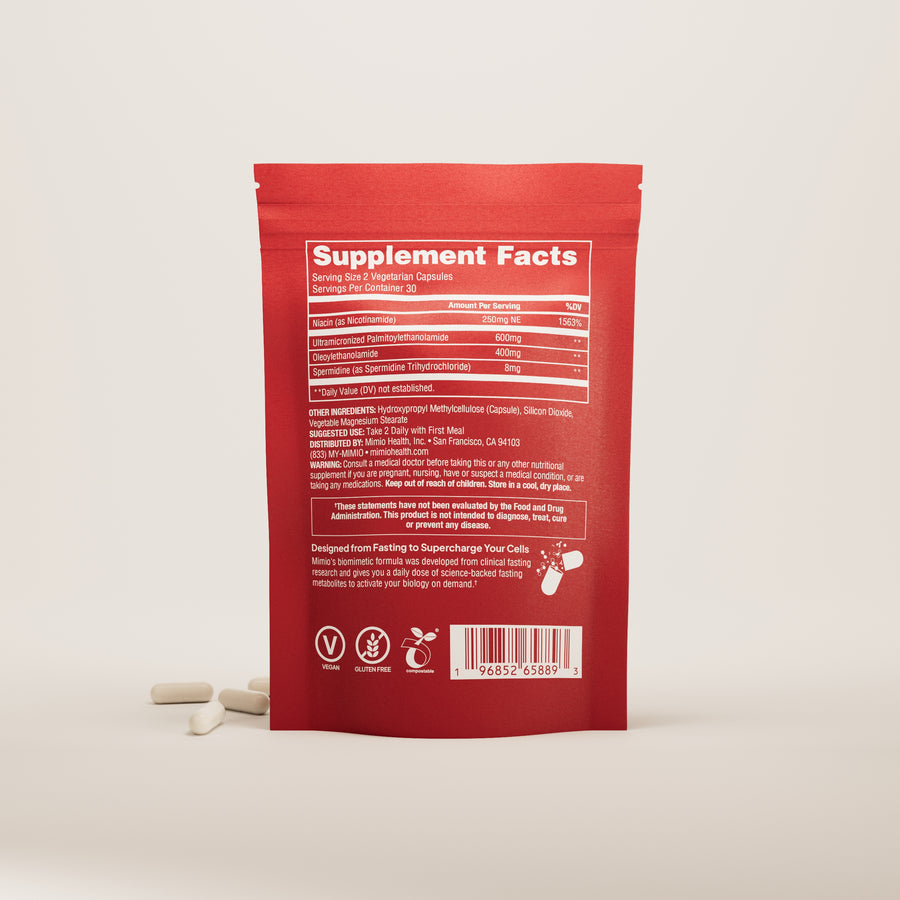
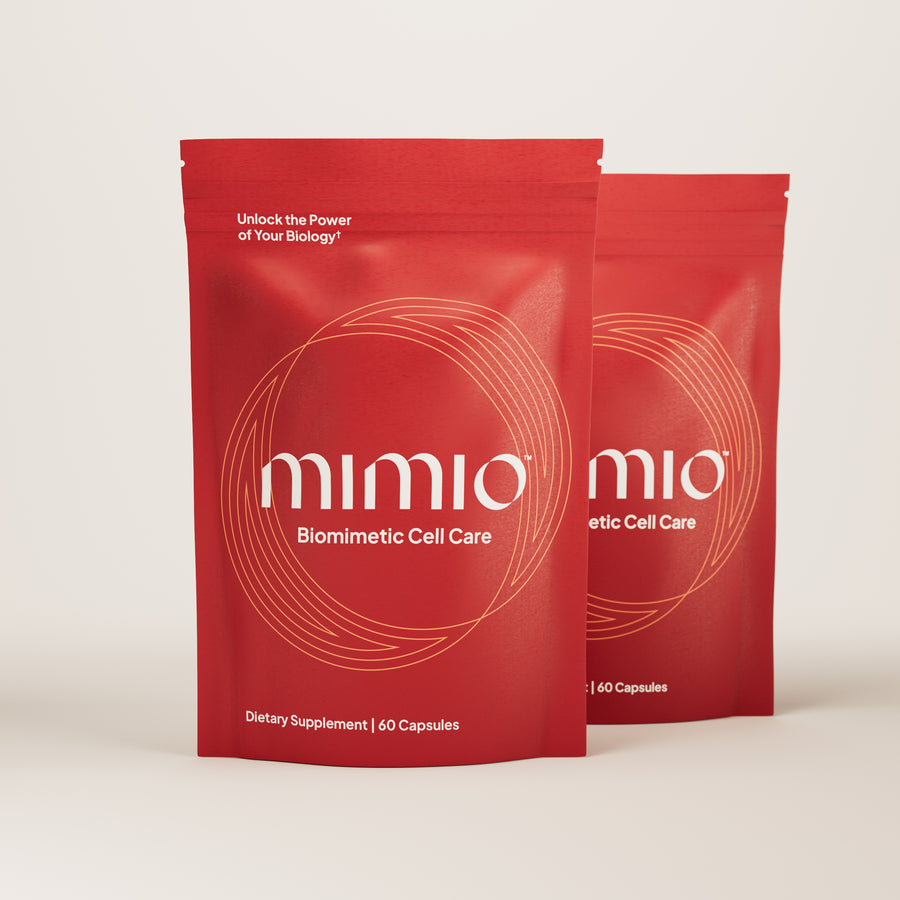
Mimio should not be positioned as a proven muscle-preservation treatment for GLP-1 users. If you are exploring cellular-health supplements more broadly, review Mimio's clinical research and current formula. Bring those details to your clinician rather than adding a product to compensate for inadequate nutrition or an unaddressed symptom.
Our guide to GLP-1's role in appetite and blood sugar offers background if you want to understand why your eating experience has changed.
Common questions about muscle and GLP-1s
Is losing lean mass always harmful?
The context matters. Changes in body size can include changes in several tissues. Your clinician should consider the amount of change, your nutrition, age, strength and function rather than interpreting a lean-mass number in isolation.
Will eating more protein completely prevent muscle loss?
No single food or supplement guarantees that. Adequate nutrition and resistance exercise are complementary parts of the discussion. A protein target is most useful when it fits an overall plan you can follow.
Should I use creatine?
Creatine has evidence for some exercise-related outcomes, but that is not the same as proving it prevents muscle loss during GLP-1 treatment.³ Discuss the purpose, suitability and product quality with your clinician or sports dietitian before adding it.
What should I mention at my next visit?
Describe changes in strength, activity, appetite and symptoms. Bring a brief example of a typical day's meals and your current exercise routine. Specifics make it easier to identify whether you need nutrition support, a different activity plan or a medical assessment.
The goal is to feel capable in the body you are caring for. Give strength a place in your treatment plan from the beginning.
This content is educational. A qualified clinician or dietitian can help tailor nutrition and exercise to your health and treatment.
Related reading
References
- Look M, Dunn JP, Kushner RF, et al. Body composition changes during weight reduction with tirzepatide in the SURMOUNT-1 study of adults with obesity or overweight. Diabetes Obes Metab. 2025;27(5):2720-2729. doi:10.1111/dom.16275.
- Villareal DT, Aguirre L, Gurney AB, et al. Aerobic or resistance exercise, or both, in dieting obese older adults. N Engl J Med. 2017;376:1943-1955. doi:10.1056/NEJMoa1616338.
- National Institutes of Health, Office of Dietary Supplements. Dietary supplements for exercise and athletic performance: Health professional fact sheet. Evidence review.
- Novo Nordisk. Wegovy (semaglutide) prescribing information. Full prescribing information.