You used to finish a sandwich and still want something else. Now half feels like plenty. That change can make weight management easier, but it also raises a less obvious question: are the meals you can comfortably eat giving you what you need?
On a GLP-1 medication, aim for meals that provide protein, a variety of nutrient-rich foods and enough fluid, in portions you tolerate. Smaller, regular eating occasions may be easier than large meals. The goal is adequate nourishment, not the smallest possible intake.¹
There is no single GLP-1 diet. Your preferences, symptoms, medical history and treatment all affect what works.
Why eating less calls for more attention to nutrition
When the amount of food you eat falls, there is less room for meals that provide very little nourishment. You may need to be more deliberate about protein and food variety without turning eating into a complicated project.
A joint advisory from four nutrition and obesity organizations emphasizes nutrition assessment and support during GLP-1 treatment. It identifies gastrointestinal symptoms, nutrient intake and preservation of muscle and bone as relevant parts of care.¹
That does not mean every person will develop a deficiency. It means that appetite reduction is one part of treatment, and eating well within your new appetite deserves attention too.
Start with a protein food you can tolerate
Build each meal around an option you enjoy: eggs, Greek yogurt, fish, poultry, tofu, tempeh, beans or lentils. If a large portion is unappealing, try spreading these foods across the day.
For breakfast, that might mean yogurt with fruit and oats. For lunch, a small bean-and-chicken bowl. For dinner, fish or tofu with a grain and vegetables. The portions can change with your appetite and the plan you agree with your dietitian.
How much protein do you need?
The joint advisory discusses higher protein intakes during active weight reduction, including proposed ranges of 1.2 to 1.6 grams per kilogram per day. It also notes uncertainty about the appropriate weight basis and the need to individualize the target.¹
Do not multiply a number from an article by your weight and assume the result is your prescription. Ask a registered dietitian to consider your body size, age, kidney health, activity and overall intake. Adequate protein should be paired with an appropriate activity plan, not treated as a guarantee against muscle loss.
Add plant foods in forms that feel manageable
Fiber-containing foods also bring variety and nutrients to meals. Oats, beans, lentils, fruit, vegetables and whole grains are useful places to start.
You do not have to begin with the largest salad you can assemble. Cooked vegetables, a small bowl of oatmeal or a modest serving of lentils may be easier to work into your day than a very bulky meal. Increase fiber gradually if your current intake is low, and pay attention to comfort.
If constipation persists, ask your clinician about a plan rather than repeatedly adding more fiber. NIDDK notes that fiber and liquids can help with constipation, but recommendations should fit the cause and the person's needs.²
Keep carbohydrates in context
Taking a GLP-1 does not automatically require eliminating carbohydrate foods. A potato, fruit, oats or a serving of rice can have a place in a balanced meal. People managing diabetes may need more specific guidance about amounts, timing and glucose monitoring.
If you are unsure what to pair with your protein food, start with a familiar carbohydrate and a vegetable or fruit you tolerate. Build a meal you can repeat rather than chasing a supposedly perfect macronutrient ratio.
Make hydration convenient
Put drinks where you will remember them. Keep water at your desk, bring a bottle when you leave home and notice whether long stretches pass without drinking.
Some people find smaller amounts at a time more comfortable when they feel full easily. Fluid needs vary with health, activity and other factors, so follow any limits your clinician has set. A fixed target from an online article may be inappropriate if you have a condition that affects fluid balance.
Vomiting or diarrhea can make dehydration more likely. Contact your care team if symptoms persist or you cannot keep fluids down. Semaglutide's prescribing information specifically warns about kidney injury related to volume depletion.³
Adjust meals to the symptom, not a universal banned-food list
You may hear that everyone on a GLP-1 must avoid the same foods. Your own response is more useful than an unnecessarily restrictive list.
If large meals feel uncomfortable
Try a smaller portion and leave room to eat again later. Eat at a pace that allows you to notice comfort. If fullness is severe or makes it difficult to meet basic nutritional needs, tell your prescriber.
If nausea is making food unappealing
Keep track of what you tolerate and discuss persistent symptoms with the prescribing team. Simpler, less rich foods may feel easier for some people. The aim is to maintain intake while addressing the symptom, not to accept days of barely eating as normal progress.
If constipation is the main problem
Review fluids, fiber intake, activity and the timing of symptoms. Ask for individualized advice if the problem continues, particularly if you also have significant pain or vomiting.²
If you have almost no appetite
Bring a typical day's intake to your next appointment. You may need help with meal timing, food choices or treatment tolerability. A declining appetite is not a competition to see how little you can eat.
A flexible day of food
The following is a set of meal ideas, not a calorie-controlled menu or a prescribed plan. Adjust portions, ingredients and frequency to your needs.
Breakfast: Greek yogurt or a suitable soy alternative with oats and berries. If that sounds too large, start with a smaller portion and plan another eating occasion later.
Lunch: Lentil soup with an egg, tofu or chicken on the side, plus a piece of bread if comfortable. A prepared soup can be a useful convenience food when cooking feels like too much.
Afternoon option: Fruit with yogurt, hummus with a few crackers or another snack you enjoy. Choose it because it helps your day, not because an app says you must snack.
Dinner: Fish, beans or tofu with rice or potatoes and cooked vegetables. Keep the first serving manageable and assess how you feel.
Drinks: Regular opportunities to drink throughout the day, following your own fluid guidance.
The point is flexibility. You can meet the same practical needs with different cuisines, plant-based meals or foods that fit your budget.
Use convenience strategically
Frozen vegetables, canned beans, eggs, plain yogurt and ready-to-eat proteins can make an ordinary week easier. You do not need every meal to look like a nutrition photograph.
Choose two breakfasts and two lunches you can assemble with little effort. Keep a backup dinner for a night when work runs late. If your appetite changes from day to day, prepare portions that can be stored rather than making yourself finish a large serving.
Ask for support with food access or meal preparation if those are the real barriers. A detailed nutrition target has limited value if the food is not affordable or available.
Where supplements belong
A supplement can address a specific gap, but it cannot replace a varied diet or an assessment of persistent symptoms. Bring your products and medication list to a pharmacist or dietitian if you are unsure what you need.
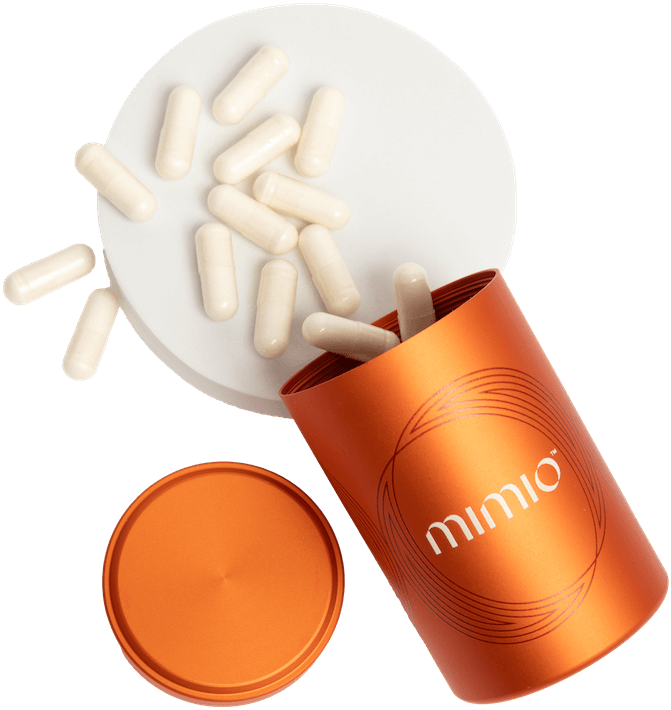
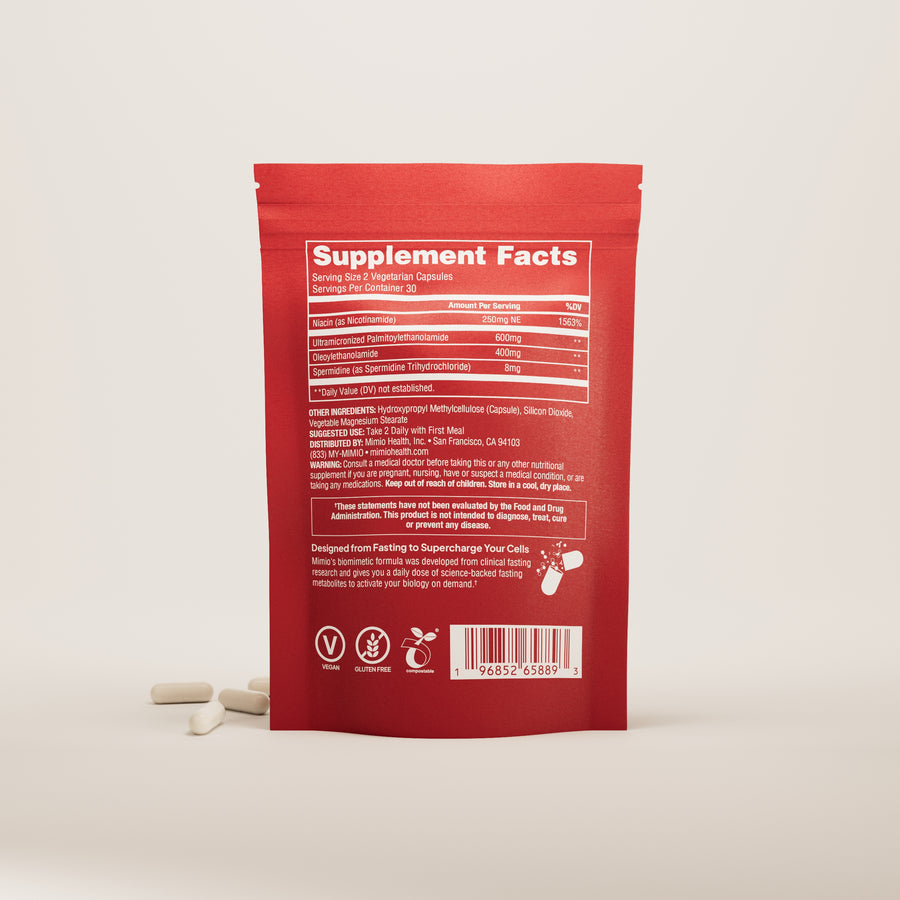
Mimio is also separate from basic nourishment. If you are interested in its approach to fasting biology, review the Mimio formula and supporting research. It should not be used to justify eating too little, and its study does not establish benefits for nutritional deficiencies during GLP-1 treatment.
For readers curious about one of its appetite-related ingredients, our OEA guide explains that research separately from nutrition needs.
Common GLP-1 nutrition questions
Do I need to eat when I am not hungry?
Low appetite does not always tell you whether your nutritional needs are being met. If you regularly miss meals or eat very little, ask your clinician or dietitian to assess the pattern and help establish workable eating occasions.
Can I have coffee?
Discuss your own tolerance and medical needs. Coffee should not repeatedly replace food or fluids you need. If it worsens symptoms, record the pattern and review it with your care team.
Is a protein shake enough for lunch?
That depends on the product, your needs and what the rest of the day provides. A shake can be convenient, but repeatedly relying on one may leave less room for food variety. Review your overall pattern rather than judging one meal in isolation.
What is the first change to make?
Find the part of the day that most often falls apart. Make that eating occasion easier, then reassess. A reliable lunch may do more for your routine than a complete diet overhaul.
Smaller meals can still be thoughtful, satisfying meals. Build a pattern that nourishes you and ask for help when symptoms get in the way.
General education only. Nutrition needs vary, particularly with diabetes, kidney disease, gastrointestinal conditions and other medical concerns.
Related reading
References
- Mozaffarian D, Agarwal M, Aggarwal M, et al. Nutritional priorities to support GLP-1 therapy for obesity: a joint advisory from the American College of Lifestyle Medicine, the American Society for Nutrition, the Obesity Medicine Association, and The Obesity Society. Am J Clin Nutr. 2025;122(1):344-367. doi:10.1016/j.ajcnut.2025.04.023.
- National Institute of Diabetes and Digestive and Kidney Diseases. Eating, diet, and nutrition for constipation. Nutrition guidance.
- Novo Nordisk. Wegovy (semaglutide) prescribing information. Full prescribing information.