What Is OEA (Oleoylethanolamide)?
OEA, short for oleoylethanolamide, is a naturally occurring lipid molecule that your body produces from oleic acid, the primary fatty acid found in olive oil. It belongs to a family of signaling molecules called N-acylethanolamines, which play important roles in regulating appetite, metabolism, inflammation, and even brain function.
What makes OEA particularly interesting is that it is structurally similar to endocannabinoids (the molecules that interact with your body's cannabinoid receptors), but it works through completely different pathways. Instead of binding to cannabinoid receptors, OEA primarily activates a receptor called PPAR-α (peroxisome proliferator-activated receptor alpha), which is a master regulator of fat metabolism and energy balance.
Your body naturally produces OEA in the small intestine after consuming dietary fats, particularly those rich in oleic acid. This production signals satiety to your brain, essentially telling you that you have eaten enough. However, research has also revealed something fascinating: OEA levels also increase significantly during prolonged fasting, suggesting an evolutionary role in helping the body adapt to periods without food.
How OEA Works: The Science of Appetite Control
OEA exerts its effects through multiple biological pathways, making it a versatile molecule with benefits beyond simple appetite suppression:
1. PPAR-α Activation
PPAR-α is a nuclear receptor that acts as a metabolic switch. When OEA binds to and activates PPAR-α, it triggers a cascade of effects including increased fat oxidation (fat burning), reduced fat storage, improved lipid profiles, and enhanced cellular energy production. This is the primary mechanism through which OEA influences body composition and metabolic health.
2. GPR119 Activation
OEA also activates GPR119, a receptor found in the gut and pancreas. Activation of GPR119 stimulates the release of GLP-1 (glucagon-like peptide-1), a hormone that promotes insulin secretion, slows gastric emptying, and enhances feelings of fullness. This gut-brain signaling pathway is crucial for OEA's appetite-suppressing effects.
3. Vagal Nerve Signaling
Research has shown that OEA communicates with the brain through the vagus nerve, the major nerve connecting the gut to the brain. When OEA is produced in the intestine, it sends satiety signals via the vagus nerve to brain regions that control appetite and reward, including the hypothalamus and nucleus accumbens.
4. Anti-Inflammatory Effects
Beyond appetite control, OEA has demonstrated significant anti-inflammatory properties. Clinical studies show that OEA supplementation reduces inflammatory markers including IL-6, TNF-α, and hs-CRP. This anti-inflammatory action may contribute to improved metabolic health, as chronic low-grade inflammation is a hallmark of obesity and metabolic syndrome.
Proven Benefits of OEA Supplementation
Multiple randomized, placebo-controlled clinical trials have investigated OEA supplementation in humans, with promising results:
Weight Loss and Body Composition
In clinical trials, OEA supplementation (250mg daily for 8-12 weeks) has been shown to reduce body weight, BMI, waist circumference, and fat mass in obese individuals. One study demonstrated that OEA increased expression of the PPAR-α gene while improving appetite sensations and reducing food intake.
Appetite and Hunger Control
OEA's most well-documented effect is its ability to increase satiety and reduce food intake. Studies show that OEA supplementation helps people feel fuller faster and reduces overall caloric consumption without conscious effort to diet.
Inflammation and Oxidative Stress
A 2018 clinical trial published in Advanced Pharmaceutical Bulletin found that 8 weeks of OEA supplementation (250mg daily) significantly reduced inflammation markers (hs-CRP) in obese individuals compared to placebo.
Metabolic Health Markers
Research indicates that OEA can improve multiple metabolic parameters including fasting blood glucose, triglycerides, and insulin sensitivity. A 2025 meta-analysis in Frontiers in Nutrition confirmed improvements in glycemic control and blood lipid profiles with OEA supplementation.
Liver Health (NAFLD)
Emerging research suggests OEA may benefit non-alcoholic fatty liver disease (NAFLD). Studies in obese individuals with NAFLD showed that 12 weeks of OEA supplementation (250mg daily) significantly decreased triglycerides, appetite, and fasting blood sugar.
The Fasting Connection: Why OEA Rises During Extended Fasts
Here is something fascinating that most OEA supplement guides do not mention: your body naturally elevates OEA levels during prolonged fasting.
For years, researchers assumed OEA was primarily produced in response to eating, specifically after consuming dietary fats. This made sense given its role in signaling satiety. However, research from our lab at Mimio revealed that OEA is actually produced at even higher levels during extended periods of fasting than after meals.
Why would an appetite-suppressing molecule be elevated when the body is literally starving? The answer lies in evolutionary adaptation. During periods without food, elevated OEA helps the body:
- Reduce hunger signals that would be counterproductive when food is unavailable
- Enhance fat oxidation to maintain energy production
- Reduce inflammation associated with the stress of fasting
- Support metabolic efficiency during caloric deprivation
This insight led to the inclusion of OEA in Mimio's Biomimetic Cell Care formulation, which aims to replicate the beneficial metabolic states achieved during a 36-hour fast through targeted supplementation.
OEA Dosage: How Much Should You Take?
Clinical studies have used various OEA dosages, but the most common and well-supported dose is:
Standard Clinical Dose: 250mg per day
This is typically divided into two doses of 125mg taken twice daily. Most clinical trials showing beneficial effects on appetite, body composition, and inflammation used this dosage for 8-12 weeks.
Timing: For appetite control, OEA is typically taken 30-60 minutes before meals. Some formulations are designed to be taken in the morning and early afternoon to support appetite regulation throughout the day.
Duration: Clinical benefits are typically observed after 4-8 weeks of consistent supplementation, with optimal effects seen at 8-12 weeks.
Natural Food Sources of OEA
While your body produces OEA from oleic acid, some foods naturally contain small amounts of OEA:
- Cocoa powder: One of the richest food sources
- Nuts: Particularly those high in oleic acid
- Oatmeal: Contains measurable OEA levels
- Olive oil: Rich in oleic acid (the precursor to OEA)
However, the amount of OEA in these foods is quite low (less than 2 micrograms per gram), making it difficult to achieve therapeutic doses through diet alone. This is why supplementation is often necessary to achieve clinically relevant effects.
How to Choose an OEA Supplement
When selecting an OEA supplement, consider the following factors:
- Dosage: Look for products providing 125-250mg of OEA per serving, consistent with clinical research.
- Purity: Choose supplements that specify oleoylethanolamide content and are third-party tested.
- Synergistic formulations: OEA works well alongside other metabolic support ingredients. Consider formulas that combine OEA with complementary compounds.
- Brand reputation: Select products from companies with transparent sourcing and manufacturing practices.
- Scientific backing: Prefer brands that cite research and provide educational resources about their ingredients.
Is OEA Safe? Side Effects and Precautions
OEA has an excellent safety profile in clinical studies. Because it is a molecule that your body naturally produces, it is well-tolerated by most people.
Reported side effects are rare and typically mild:
- Occasional mild digestive discomfort
- Headache (rare)
- Nausea (rare, usually with high doses)
Precautions:
- Pregnant or nursing women should consult a healthcare provider before supplementing
- Those taking medications for diabetes or metabolic conditions should consult their doctor
- As with any supplement, start with a lower dose to assess tolerance
Mimio: OEA as Part of a Comprehensive Fasting Mimetic
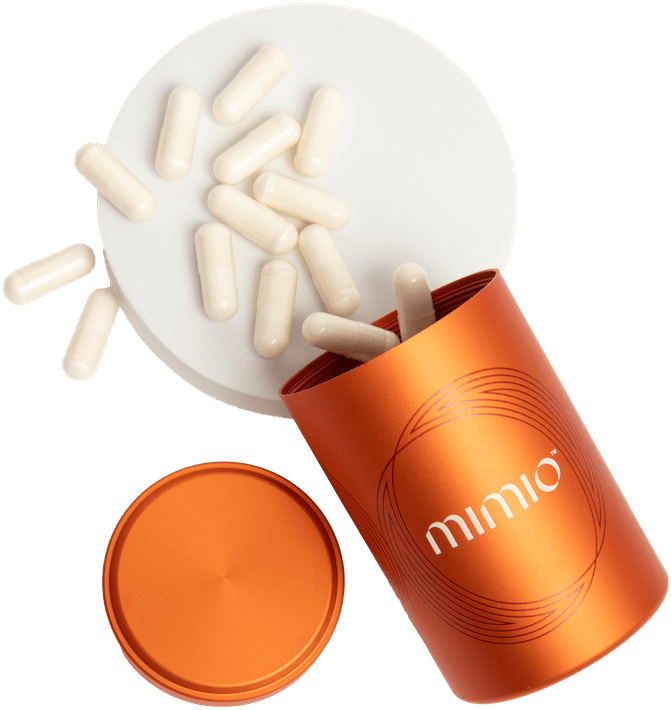
At Mimio, we discovered that OEA is one of several key metabolites that become elevated during a 36-hour fast. Rather than supplementing OEA in isolation, our Biomimetic Cell Care formula combines OEA with three other fasting-elevated compounds: Spermidine, Palmitoylethanolamide (PEA), and 1-Methylnicotinamide (1-MNA).
This synergistic approach is designed to recreate the beneficial metabolic state of fasting without requiring food restriction. In our research, this combination extended lifespan in model organisms by 96% and has shown improvements in hunger control, metabolic markers, and cellular health in human clinical trials.
Learn about the benefits of 36-hour fasting and why these metabolites are elevated
Frequently Asked Questions About OEA
What does OEA stand for?
OEA stands for oleoylethanolamide (oh-lee-oh-ill-eth-AN-oh-la-mide). It is also sometimes written as N-oleoylethanolamide or abbreviated as OLEA.
Is OEA the same as oleamide?
No, OEA (oleoylethanolamide) and oleamide are different compounds, though both are derived from oleic acid. Oleamide is a primary fatty acid amide known for its sleep-promoting effects, while OEA is an N-acylethanolamine that primarily affects appetite and metabolism.
How long does it take for OEA to work?
Some people notice appetite-suppressing effects within the first week of supplementation. However, clinical studies show that optimal benefits for body composition, inflammation, and metabolic markers typically appear after 4-8 weeks of consistent use.
Can I take OEA with other supplements?
Yes, OEA is generally safe to combine with other supplements. In fact, OEA may work synergistically with other metabolic support compounds like PEA (palmitoylethanolamide), which is why they are often formulated together.
Does OEA help with weight loss?
Clinical evidence suggests that OEA can support weight loss efforts by reducing appetite, increasing satiety, and enhancing fat oxidation. However, OEA works best as part of a comprehensive approach that includes proper nutrition and physical activity.
Is OEA a cannabinoid?
OEA is sometimes called an "endocannabinoid-like" compound because it is structurally similar to endocannabinoids and belongs to the same chemical family (N-acylethanolamines). However, OEA does not bind to cannabinoid receptors (CB1 or CB2) and works through different mechanisms, primarily PPAR-α activation.
Conclusion: Is OEA Right for You?
OEA (oleoylethanolamide) represents one of the most promising natural compounds for appetite control and metabolic health. With strong clinical evidence supporting its benefits for weight management, inflammation reduction, and metabolic function, OEA offers a science-backed approach to supporting your health goals.
Whether you are looking to manage appetite, support healthy body composition, reduce inflammation, or simply optimize your metabolic health, OEA supplementation may be worth considering. For those interested in the broader metabolic benefits of fasting without food restriction, formulations like Mimio that combine OEA with other fasting-elevated metabolites offer a comprehensive approach to cellular health.
References
- Fu J, et al. "Oleoylethanolamide regulates feeding and body weight through activation of PPAR-α." Nature, 2003.
- Payahoo L, et al. "Oleoylethanolamide supplementation reduces inflammation and oxidative stress in obese people." Adv Pharm Bull, 2018.
- Laleh P, et al. "Oleoylethanolamide increases PPAR-α expression and reduces appetite in obese people." Appetite, 2018.
- Tutunchi H, et al. "Oleoylethanolamide supplementation in NAFLD patients." Phytotherapy Research, 2020.
- Frontiers in Nutrition. "Oleoylethanolamide supplementation on cardiometabolic health: systematic review and meta-analysis." 2025.
- Thabuis C, et al. "Biological functions and metabolism of oleoylethanolamide." Lipids, 2008.