What Are Zombie Cells and Why Should You Care?
Zombie cells, scientifically known as senescent cells, are cells that have stopped dividing but stubbornly refuse to die. Unlike healthy cells that go through their normal lifecycle and are cleared away, these cellular zombies linger in your tissues, releasing a toxic cocktail of inflammatory signals that damage surrounding healthy cells.
This process, called the Senescence-Associated Secretory Phenotype (SASP), creates chronic low-grade inflammation known as "inflammaging," which is now recognized as a major driver of age-related diseases including heart disease, diabetes, arthritis, cognitive decline, and even certain cancers.
The exciting news? Research has identified specific compounds called senolytics that can selectively eliminate these zombie cells. Many of these compounds are found naturally in everyday foods. Here is your complete guide to eating your way to better cellular health.
Understanding Senolytic Compounds
Before diving into specific foods, it helps to understand the key senolytic compounds and how they work:
Fisetin
Fisetin is arguably the most potent natural senolytic discovered to date. A landmark 2018 study found that fisetin reduced senescent cell burden and extended lifespan in mice. Found primarily in strawberries, fisetin targets multiple pathways that senescent cells use to resist death.
Quercetin
One of the most studied senolytics, quercetin is often paired with the drug dasatinib in clinical research. Found in apples, onions, and berries, quercetin inhibits the anti-apoptotic pathways that zombie cells exploit to survive.
EGCG (Epigallocatechin Gallate)
The primary catechin in green tea, EGCG has been shown to suppress SASP production and reduce the harmful effects of senescent cells even when it does not kill them directly (a senomorphic effect).
Curcumin
The active compound in turmeric, curcumin demonstrates both senolytic and anti-inflammatory properties, making it a dual-action compound against cellular aging.
Sulforaphane
Found in cruciferous vegetables, sulforaphane activates the Nrf2 pathway, which enhances cellular detoxification and may help prevent cells from becoming senescent in the first place.
Apigenin
Found in chamomile, parsley, and celery, apigenin has shown stronger senolytic activity than EGCG in some studies and may help prevent senescent cells from converting healthy cells into zombies.
18 Foods That Kill Zombie Cells
1. Strawberries - The Fisetin Powerhouse
Strawberries contain the highest concentration of fisetin among common foods. Research shows fisetin can reduce senescent cell burden by up to 50% in animal models. Just one cup of strawberries provides meaningful amounts of this powerful compound.
Key compounds: Fisetin, ellagic acid, anthocyanins, quercetin
2. Blueberries - Antioxidant Champions
While lower in fisetin than strawberries, blueberries are packed with anthocyanins that reduce oxidative stress and may prevent healthy cells from becoming senescent. Their anti-inflammatory properties also help counteract SASP effects.
Key compounds: Anthocyanins, quercetin, pterostilbene
3. Apples - Quercetin-Rich and Accessible
Apples, especially eaten with the skin, provide significant quercetin. Research pairing quercetin with dasatinib has shown dramatic reductions in senescent cells in human clinical trials.
Key compounds: Quercetin (concentrated in skin), catechins, chlorogenic acid
4. Onions - Everyday Senolytic
Red and yellow onions are among the richest dietary sources of quercetin. Easy to incorporate into almost any meal, onions provide consistent senolytic support.
Key compounds: Quercetin, sulfur compounds, anthocyanins (red onions)
5. Broccoli and Cruciferous Vegetables
Broccoli, kale, Brussels sprouts, and cauliflower contain sulforaphane, which activates cellular defense mechanisms that may prevent senescence. Light steaming actually increases sulforaphane availability.
Key compounds: Sulforaphane, indole-3-carbinol, kaempferol
6. Green Tea
Rich in EGCG, green tea has been shown to suppress SASP production and support autophagy, the cellular cleanup process that removes damaged components. Long-term consumption is associated with reduced senescent cell markers.
Key compounds: EGCG, catechins, L-theanine
7. Chamomile Tea
Often overlooked, chamomile contains apigenin, which may be even more effective than EGCG at suppressing senescent cell secretions. A calming evening cup may support both sleep and cellular health.
Key compounds: Apigenin, bisabolol, chamazulene
8. Turmeric
Curcumin in turmeric exhibits both senolytic properties (killing zombie cells) and senomorphic properties (reducing their harmful secretions). Pair with black pepper to increase absorption by up to 2,000%.
Key compounds: Curcumin, demethoxycurcumin, bisdemethoxycurcumin
9. Dark Chocolate
High-quality dark chocolate (70%+ cacao) contains flavanols and polyphenols that support cellular health. Cocoa also contains compounds that may help reduce inflammation associated with SASP.
Key compounds: Epicatechin, catechins, theobromine
10. Garlic
Garlic's sulfur compounds support detoxification pathways and have demonstrated anti-inflammatory effects that may help counteract SASP. Aged garlic extract shows particularly strong benefits.
Key compounds: Allicin, S-allyl cysteine, diallyl disulfide
11. Tomatoes
Rich in lycopene, tomatoes provide powerful antioxidant protection that may help prevent cellular damage leading to senescence. Cooking tomatoes actually increases lycopene availability.
Key compounds: Lycopene, beta-carotene, quercetin
12. Grapes and Red Wine (Moderate)
Resveratrol in grapes and red wine activates sirtuins, longevity-associated proteins that influence cellular aging. While research on resveratrol is mixed, moderate grape consumption supports overall cellular health.
Key compounds: Resveratrol, pterostilbene, anthocyanins
13. Fatty Fish (Salmon, Mackerel)
Omega-3 fatty acids from fish may decrease SASP production, reducing the harmful chemical signals that senescent cells release. Regular fish consumption is associated with lower inflammatory markers.
Key compounds: EPA, DHA, astaxanthin (salmon)
14. Nuts (Walnuts, Almonds)
Nuts provide vitamin E, selenium, and polyphenols that protect cells from oxidative damage. Walnuts in particular contain compounds that may support cellular cleanup processes.
Key compounds: Vitamin E, ellagic acid, omega-3s
15. Olive Oil
Extra virgin olive oil contains oleocanthal and hydroxytyrosol, compounds with anti-inflammatory properties that may help reduce SASP effects. It is also a precursor to OEA, a fasting metabolite.
Key compounds: Oleocanthal, hydroxytyrosol, oleuropein
16. Pomegranate
Pomegranate contains ellagic acid and punicalagins, compounds that support mitochondrial health and may help prevent cellular senescence. The gut microbiome converts these to urolithin A, a powerful anti-aging compound.
Key compounds: Punicalagins, ellagic acid, anthocyanins
17. Ginger
Ginger's gingerols and shogaols have potent anti-inflammatory effects that may help counteract SASP. Regular ginger consumption is associated with reduced inflammatory markers.
Key compounds: Gingerols, shogaols, zingerone
18. Long Pepper
A lesser-known spice used in Southeast Asian cuisine, long pepper contains piperlongumine, which is being studied as a pharmaceutical-grade senolytic. Adding this spice to your cooking may provide unique senolytic benefits.
Beyond Food: Lifestyle Factors That Affect Zombie Cells
While diet is important, other lifestyle factors also influence senescent cell accumulation:
Fasting and Caloric Restriction
Fasting activates autophagy, the cellular cleanup process that clears damaged components and may help eliminate senescent cells. Research shows that intermittent fasting and time-restricted eating can reduce senescent cell markers. This is one reason Mimio's fasting-mimetic approach is so powerful: it activates these same pathways without requiring food restriction.
Exercise
Regular physical activity, particularly HIIT and resistance training, has been shown to reduce senescent cell accumulation. Exercise activates autophagy, improves mitochondrial function, and reduces the inflammatory signals that senescent cells produce.
Sleep
Poor sleep accelerates cellular aging through multiple mechanisms including telomere shortening and increased oxidative stress. Aim for 7-9 hours of quality sleep to support your body's natural cellular maintenance processes.
Stress Management
Chronic stress elevates cortisol, which contributes to cellular senescence through oxidative damage and inflammation. Practices like meditation, yoga, and mindfulness can help reduce stress-related cellular aging.
Mimio: Supporting Cellular Health Through Fasting Mimetics
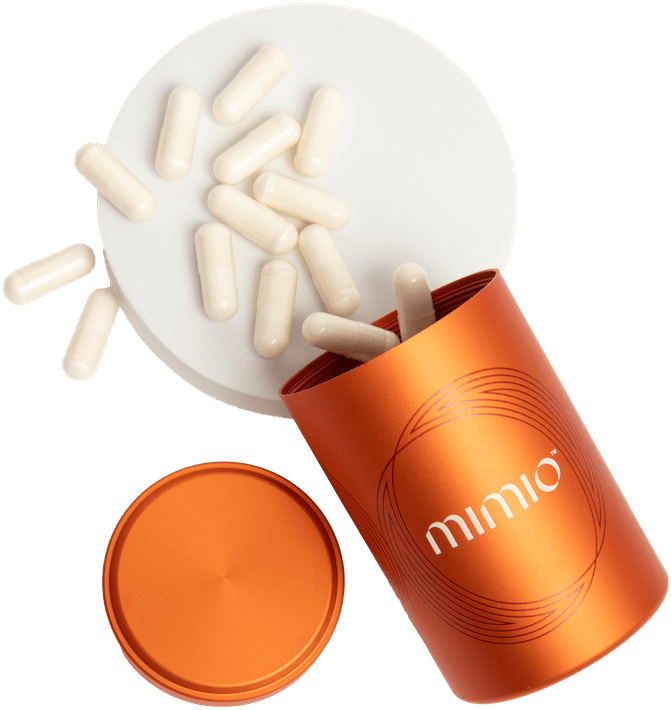
While senolytic foods provide valuable compounds, achieving therapeutic doses through diet alone can be challenging. That is why we developed Mimio Biomimetic Cell Care, which approaches cellular health from a different angle: mimicking the beneficial effects of fasting.
Our research showed that during a 36-hour fast, the body elevates specific metabolites that activate autophagy and support cellular cleanup processes. By supplementing with these fasting metabolites (spermidine, OEA, PEA, and 1-MNA), Mimio helps your body's natural cellular maintenance systems work more efficiently, potentially reducing the accumulation of senescent cells over time.
How Fasting Eliminates Zombie Cells | Autophagy Fasting Chart
Frequently Asked Questions
Can you really get rid of zombie cells naturally?
Yes. Research shows that natural compounds like fisetin and quercetin can selectively eliminate senescent cells. Lifestyle factors including fasting, exercise, and sleep also support the body's natural ability to clear these cells. While pharmaceutical senolytics are being developed, natural approaches offer meaningful benefits with excellent safety profiles.
How much fisetin do I need to eat?
Clinical studies typically use doses of 100-500mg of fisetin, far more than you would get from food alone (strawberries contain about 160 micrograms per gram). While therapeutic doses likely require supplementation, regularly eating fisetin-rich foods still provides benefits for overall cellular health.
What foods have the most fisetin?
Strawberries are the richest common food source of fisetin, followed by apples, persimmons, onions, and cucumbers. Eating a variety of these foods regularly can help support your senolytic intake.
Do senolytic foods actually work?
The compounds in senolytic foods have been validated in laboratory and animal studies. Human clinical trials using concentrated supplements (particularly quercetin + dasatinib) have shown promising results. While eating these foods may not provide pharmaceutical-level doses, a diet rich in senolytic compounds supports overall healthy aging.
How often should I eat senolytic foods?
Incorporate senolytic foods into your daily diet rather than treating them as occasional additions. Aim for variety: berries at breakfast, onions and garlic in cooking, green tea throughout the day, and cruciferous vegetables at dinner. Consistency is more important than any single meal.
Conclusion: Your Anti-Zombie Cell Action Plan
Zombie cells may be inevitable part of aging, but their accumulation does not have to be. By incorporating senolytic foods into your diet, maintaining healthy lifestyle habits, and supporting your body's natural cellular maintenance processes, you can help keep these troublesome cells in check.
Start simple: add berries to your breakfast, drink green tea instead of soda, cook with garlic and onions, and enjoy the occasional square of dark chocolate. Your cells will thank you.
For those looking to maximize their cellular health, consider combining dietary approaches with fasting protocols or fasting mimetics like Mimio, which activate autophagy and support your body's natural ability to clear out cellular debris, including those stubborn zombie cells.
References
-
Yousefzadeh MJ, et al. "Fisetin is a senotherapeutic that extends health and lifespan." EBioMedicine, 2018.
-
Zhu Y, et al. "The Achilles' heel of senescent cells: From transcriptome to senolytic drugs." Aging Cell, 2015.
-
Kirkland JL, Tchkonia T. "Cellular senescence: A translational perspective." EBioMedicine, 2017.
-
Childs BG, et al. "Senescent cells: an emerging target for diseases of ageing." Nature Reviews Drug Discovery, 2017.
-
Gonzalez-Freire M, et al. "Lifestyle interventions to delay senescence." Mechanisms of Ageing and Development, 2024.