Aging is often described as a gradual decline in cellular function. At the heart of this decline lies one of the body’s most vital components: the mitochondria. Known as the powerhouses of our cells, mitochondria generate the energy we need to live, move, and think. But when they become damaged, the ripple effects can accelerate nearly every aspect of aging.
Recent research has revealed that damaged mitochondria and aging are intimately connected. From driving chronic inflammation to impairing energy production, dysfunctional mitochondria are a hallmark of age-related decline. This article explores the science behind this connection, why maintaining mitochondrial health is crucial, and how natural interventions like fasting and biomimetic supplements such as Mimio are able to offer practical ways to protect and renew your cellular powerhouses.
Why Mitochondria Are Critical for Healthy Aging
Mitochondria do far more than produce energy. They regulate metabolism, apoptosis (programmed cell death), and redox balance, all of which are vital for longevity.¹ When mitochondria are damaged, cells struggle to function properly, and aging accelerates.
Key functions of healthy mitochondria include:
-
ATP Production: Supplying the universal energy currency for cellular activity.²
-
Metabolic Flexibility: Allowing cells to switch between glucose and fat as fuel.³
-
ROS Management: Balancing reactive oxygen species to prevent oxidative stress.⁴
-
Apoptosis Regulation: Removing dysfunctional cells before they cause harm.⁵
When these systems falter, the results are fatigue, inflammation, and vulnerability to chronic disease.
How Damaged Mitochondria Accelerate Aging
With age, mitochondria accumulate damage from oxidative stress, toxins, and impaired recycling. This leads to:
-
Energy Decline: Damaged mitochondria produce less ATP, leading to fatigue and reduced physical and mental performance.²
-
Oxidative Stress: Dysfunctional mitochondria generate excess ROS, damaging DNA, proteins, and lipids.⁴
-
Chronic Inflammation: Damaged mitochondria release pro-inflammatory signals, driving “inflammaging.”⁶
- Impaired Cell Clearance: Failure to regulate apoptosis allows senescent “zombie” cells to accumulate.⁵
These processes accelerate the aging clock at a cellular level, impacting organs, tissues, and overall vitality.
Fasting and Autophagy: Nature’s Mitochondrial Reset
One of the body’s natural defenses against damaged mitochondria is autophagy, a process of cellular cleanup and renewal. During autophagy, damaged components including mitochondria (mitophagy) are broken down and recycled.⁷ This helps preserve mitochondrial quality and slows aging.
Extended fasting is one of the most effective ways to stimulate autophagy and mitochondrial renewal. Research shows fasting:
-
Enhances mitochondrial efficiency
-
Stimulates mitophagy to remove damaged mitochondria
-
Reduces oxidative stress and inflammation
-
Promotes metabolic flexibility
Learn more: The 36-Hour Fast Benefits Guide.
For a deeper dive into autophagy and its connection to longevity, explore our Autophagy Benefits Chart.
Mimio: SupportsMitochondrial Health by mimicking the effects of fasting
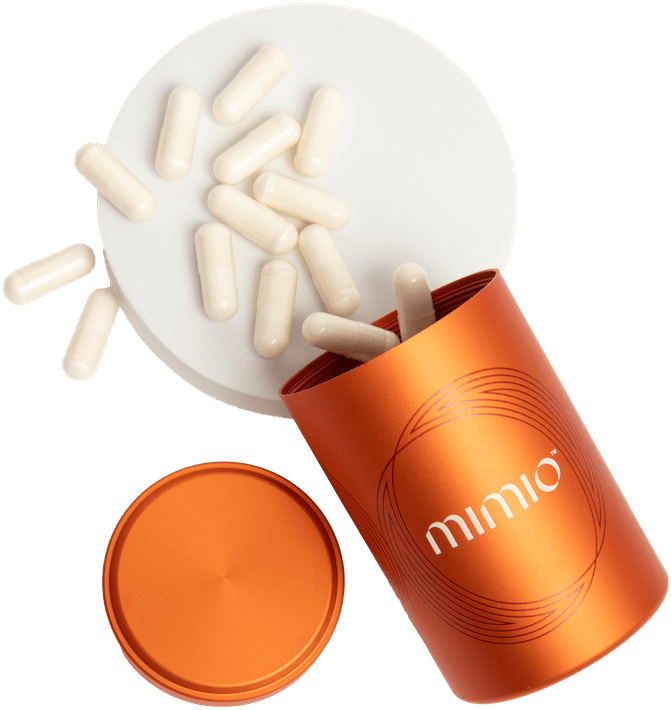
While fasting is powerful, it isn’t always sustainable. That’s why scientists developed Mimio, the world’s first biomimetic supplement designed from the metabolome of a 36 hour fast. Mimio activates the same regenerative pathways that fasting does, helping to clear damaged mitochondria and restore cellular vitality.
How Mimio supports mitochondrial health:
-
Activates Mitophagy: Encourages the recycling of damaged mitochondria for healthier cellular function.⁸
-
Supports NAD+ Metabolism: Critical for energy production and mitochondrial efficiency.⁹
-
Reduces Inflammation: Helps counteract inflammaging at its root.⁶
- Improves Metabolic Flexibility: Allows cells to adapt between glucose and fat for fuel.³
Support your mitochondrial health daily: Explore Mimio Biomimetic Cell Care.
Comparing Approaches: Lifestyle, Fasting, and Mimio
|
Approach |
Mechanism |
Benefits |
Limitations |
|
Lifestyle (Exercise, Diet, Sleep) |
Enhances natural mitochondrial defenses |
Foundational for health |
Requires consistency |
|
Fasting |
Triggers autophagy & mitophagy |
Deep mitochondrial renewal |
Difficult for many to sustain |
|
Mimio |
Biomimics 36-hour fasting metabolome |
Activates fasting pathways daily |
Requires supplementation |
Together, these approaches create a comprehensive plan for protecting mitochondria and slowing aging.
The Bigger Picture: Mitochondria and Longevity
Mitochondrial dysfunction is one of the hallmarks of aging.¹⁰ By protecting and renewing mitochondria, we can slow the cascade of cellular decline that drives aging. Strategies like fasting and biomimetic supplementation not only restore energy but also strengthen resilience against age-related diseases.
Healthy mitochondria mean more than energy. They mean vitality, cognitive clarity, and a longer healthspan.
Protecting Your Mitochondria for Longevity
The connection between damaged mitochondria and aging underscores a powerful truth: the state of your cellular powerhouses largely determines how you age. While mitochondrial decline is inevitable, it doesn’t have to be destiny. Through fasting, lifestyle practices, and biomimetic solutions like Mimio, you can support mitochondrial renewal and promote healthy longevity.
For those looking to stay energized, resilient, and youthful, protecting your mitochondria may be the most impactful step you can take.
Begin your cellular renewal journey today: Discover Mimio Biomimetic Cell Care.
References
-
López-Otín, C., et al. (2013). The hallmarks of aging. Cell.
-
Nicholls, D. G., & Ferguson, S. J. (2013). Bioenergetics. Academic Press.
-
Jäger, S., et al. (2007). AMP-activated protein kinase (AMPK) action in skeletal muscle via PGC-1α. PNAS.
-
Murphy, M. P. (2009). How mitochondria produce reactive oxygen species. Biochemical Journal.
-
Elmore, S. (2007). Apoptosis: A review of programmed cell death. Toxicologic Pathology.
-
Franceschi, C., & Campisi, J. (2014). Chronic inflammation and its role in age-associated disease. Journals of Gerontology.
-
Madeo, F., et al. (2019). Autophagy and cellular longevity. Nature Reviews Molecular Cell Biology.
-
Palikaras, K., et al. (2015). Mitophagy and age-related pathologies. Nature Cell Biology.
-
Verdin, E. (2015). NAD+ in aging, metabolism, and neurodegeneration. Science.
-
Sun, N., et al. (2016). The mitochondrial basis of aging. Molecular Cell.