You finish lunch, clear the plate and immediately start thinking about what you might eat later. The thought keeps interrupting your afternoon. If those thoughts became quieter during GLP-1 treatment, their return can feel particularly frustrating.
People often call that experience “food noise.” It is an informal description of persistent thoughts about food, not a diagnosis. After a GLP-1 medication is stopped, increased appetite or cravings can make food feel more mentally demanding again. The useful response is to assess what has changed and get appropriate support, rather than assume you need stricter rules.
What does “food noise” mean?
The term can describe several experiences: repeatedly planning the next snack, feeling distracted by food cues, negotiating with yourself about what you are allowed to eat or having cravings that seem difficult to set aside.
People use the phrase differently. One person may mean ordinary hunger that is more noticeable than it was during treatment. Another may mean distressing, intrusive thoughts that affect work, relationships or eating behavior. Those situations need different kinds of support.
When you speak with a clinician, describe the experience in your own words. “I am hungry two hours after lunch” provides different information from “I feel unable to stop eating once I start.” You do not have to find the perfect label before asking for help.
Why can food thoughts become louder after treatment?
GLP-1-based medicines can affect appetite and eating behavior. In a 20-week randomized trial involving 72 adults with obesity, semaglutide reduced hunger and food cravings and improved reported control of eating compared with placebo.¹
That trial examined treatment, not a precise timetable for what happens after stopping. It helps explain why losing a medication's support could feel noticeable, but it cannot tell you when cravings will return or how intense they will be.
Our GLP-1 and appetite guide covers the underlying hormone biology. Here, the priority is understanding your daily experience well enough to respond.
Start by checking whether you are getting enough to eat
After months of a quieter appetite, you may have settled into very small meals or long gaps without food. Continuing that pattern after your appetite changes can leave you trying to ignore hunger for much of the day.
Before deciding that every food thought is a craving to suppress, look at the basics. What did you eat? How long has it been? Was lunch substantial enough for the afternoon you had planned?
Try describing one typical day to a registered dietitian, including snacks and drinks. Ask whether your food intake and meal timing fit your current needs. You may need a more satisfying lunch, an available snack or help tolerating meals, rather than another appetite-control product.
Make the next eating occasion predictable
If your workday is unpredictable, reduce the number of decisions you need to make. Keep a lunch you enjoy available. Have a snack that travels well. Decide what dinner will be before you arrive home hungry.
A useful experiment is practical and modest: pack lunch for the next few workdays and notice whether the afternoon feels easier. It does not require banning foods or proving that you can resist them.
Separate different experiences without judging them
You do not need to classify every urge perfectly. Still, asking a few questions can help you explain the pattern.
Physical hunger: Have several hours passed since you ate? Would a range of foods sound appealing? Is the sensation becoming more noticeable as time passes?
A specific craving: Does one particular taste or food sound appealing, even though you recently ate? That experience can coexist with hunger.
A familiar routine: Does the thought appear when you open a streaming app, finish work or walk past a certain shop?
Distress around food: Are the thoughts upsetting, rigid or connected with a sense of losing control? Are you compensating afterward by skipping meals or exercising excessively?
These are prompts for reflection, not a diagnostic checklist. If the last pattern sounds familiar, tell your clinician or a mental-health professional with eating-disorder experience. It is worth addressing directly.
Look at sleep and daily pressure
Food decisions can feel harder when the rest of life is stretched. Ask whether your sleep schedule changed around the same time as your treatment, or whether stress is disrupting ordinary meals.
Sleep has a real connection to eating, although that should not be oversold. In a randomized trial of 80 adults with overweight who habitually slept too little, a sleep-extension intervention reduced measured energy intake over the study period. The trial was not conducted in people stopping GLP-1 medication and did not prove that extra sleep eliminates cravings.²
The practical implication is to include sleep in the conversation. If you are regularly awake late, ask what would make bedtime more realistic. If poor sleep persists, or symptoms such as loud snoring and daytime sleepiness are present, seek medical advice.
Treating every difficult evening as a food problem can miss the conditions making that evening difficult.
Make a brief record you can actually use
For a few days, note when food thoughts are most intrusive, what happened beforehand and what helped. Keep the language neutral.
For example: “Lunch was late. Hungry at 4 p.m. Ate yogurt and fruit. Able to focus afterward.” Or: “Thought about food repeatedly after dinner despite feeling physically full. Felt anxious about tomorrow's weigh-in.”
Those notes point toward different conversations. They are more informative than calling the whole day “good” or “bad.”
If recording food makes you more anxious or preoccupied, stop and ask your care team for a different approach. The record is a tool, not a requirement.
When to contact your prescriber
Contact the prescribing team if returning appetite is difficult to manage, your weight or glucose is moving outside the plan you agreed on, or the change is affecting daily life. Medication withdrawal studies show that maintaining treatment-related changes can be difficult, which is one reason ongoing care matters.³
You do not need to wait until things feel out of control. Explain why treatment ended and what is happening now. Your clinician can review nutritional support, treatment alternatives and whether another medical or psychological issue needs attention.
Avoid restarting a leftover dose or extending the interval between doses based on someone else's experience. The next treatment decision should account for your own history.
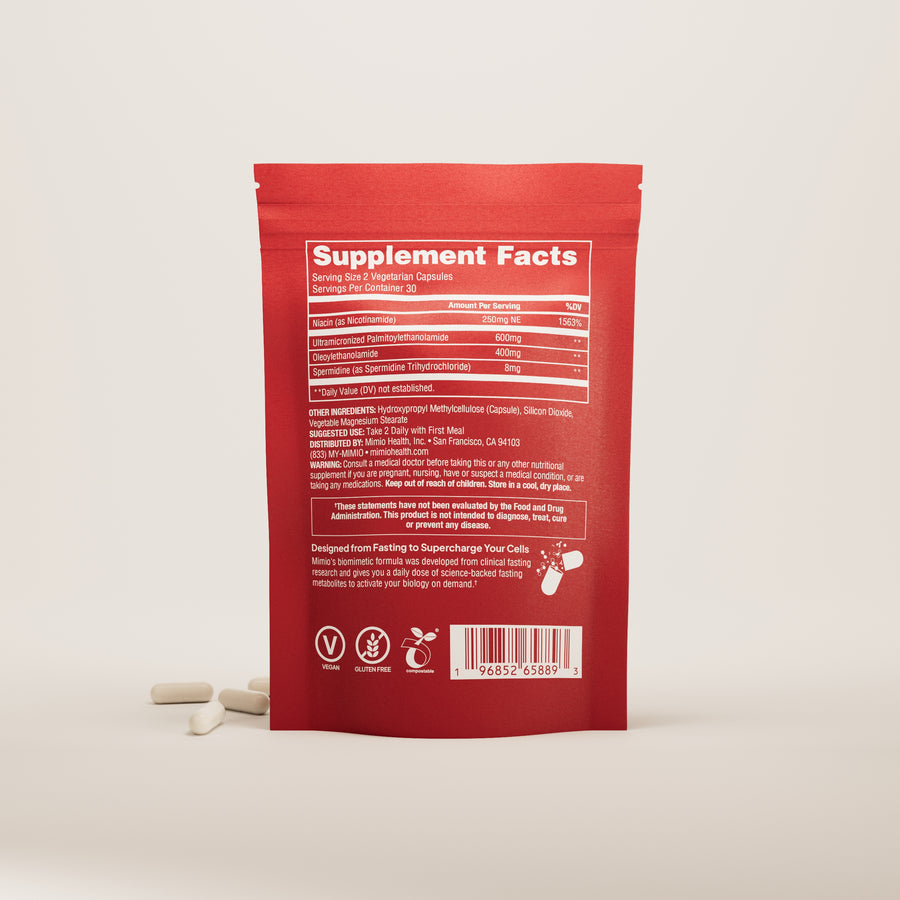
Could OEA or Mimio quiet food noise?
OEA, or oleoylethanolamide, is a lipid involved in satiety signaling. That makes it scientifically relevant to appetite, but it does not establish that an OEA product treats returning food noise after GLP-1 withdrawal. Our OEA supplement guide explains the ingredient in more detail.
Mimio's finished-formula research included daily appetite-related measures, but it was not a study of people discontinuing GLP-1 medicines.⁴ The findings should not be translated into a promise to prevent rebound cravings in that setting.
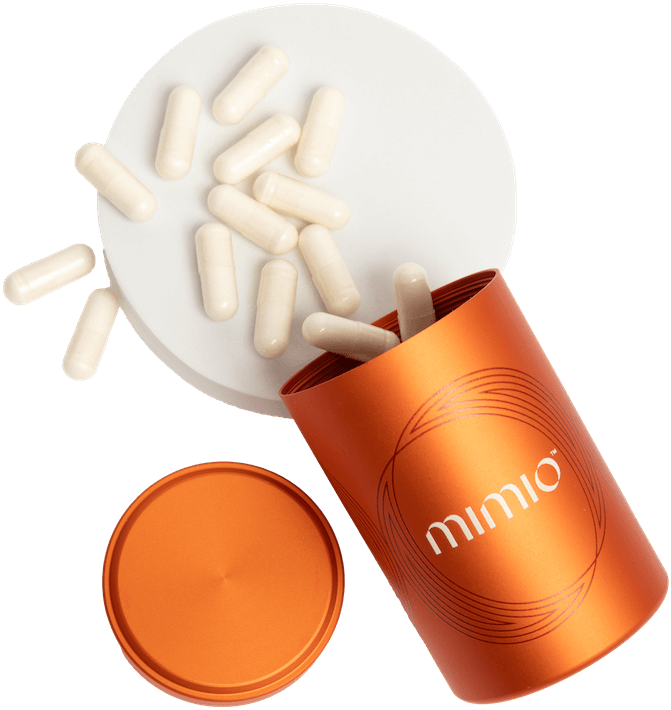
If you want to explore the product as part of a broader discussion about your routine, see Mimio's formula and product details. Bring a specific goal to your clinician. If you are already struggling to eat enough, suppressing appetite further may not be the right goal.
Questions about food noise and cravings
Does returning food noise mean I am addicted to food?
No. The phrase does not diagnose an addiction or an eating disorder. Describe the thoughts, emotions and behaviors to a qualified professional if they are distressing or difficult to manage.
Is it better to avoid every food I crave?
There is no universal rule. An increasingly restrictive list can make daily eating more complicated. A dietitian can help you develop an approach that considers both nourishment and your relationship with food.
Why am I thinking about food if I just ate?
The reason can differ from one occasion to another. Meal size, satisfaction, habit, stress and the treatment change may all be relevant. A recurring or distressing pattern is worth discussing rather than explaining away with one hormone.
How long will this last?
There is no dependable timeline for an individual. Focus on the pattern you are experiencing now and the support available, rather than waiting for a promised number of days to pass.
You deserve more useful advice than “try harder.” Start with adequate meals, describe the experience honestly and keep your care team involved.
Educational information only. Seek individualized care for medication changes, persistent appetite concerns or distress around eating.
Related reading
References
- Friedrichsen M, Breitschaft A, Tadayon S, et al. The effect of semaglutide 2.4 mg once weekly on energy intake, appetite, control of eating, and gastric emptying in adults with obesity. Diabetes Obes Metab. 2021;23(3):754-762. doi:10.1111/dom.14280.
- Tasali E, Wroblewski K, Kahn E, et al. Effect of sleep extension on objectively assessed energy intake among adults with overweight in real-life settings: A randomized clinical trial. JAMA Intern Med. 2022;182(4):365-374. Study record.
- Wilding JPH, Batterham RL, Davies M, et al. Weight regain and cardiometabolic effects after withdrawal of semaglutide: The STEP 1 trial extension. Diabetes Obes Metab. 2022;24(8):1553-1564. doi:10.1111/dom.14725.
- Grant AD, Erfe MCB, Kazaryan A, et al. A novel fasting mimetic (Mimio) creates fasting-like benefits to hunger control, oxidative stress, and cardiometabolic health in humans. Sci Rep. 2026;16:7812. doi:10.1038/s41598-026-38495-7.