If you are somewhere in your late 30s to early 50s and things feel off, you are not imagining it. Sleep is worse. Your metabolism has shifted. Energy is not what it was. Your body seems to be operating under a completely different rulebook than it did five years ago.
You are likely experiencing perimenopause: the transitional phase before menopause that can last anywhere from a few years to well over a decade. It is also the phase where the supplement market gets very loud. A search for perimenopause supplements returns everything from hormone-mimicking botanicals to expensive multi-stack protocols, and almost no consensus on what actually works.
This guide cuts through that noise. We cover what the research actually shows, which supplement categories have meaningful evidence behind them, what does not hold up under scrutiny, and how cellular-level changes during perimenopause explain why certain approaches work better than others.
The supplement landscape for perimenopause is wide, inconsistent in quality, and easy to get lost in. Here is a scannable view of the categories with the strongest evidence behind them, what they target, and where they fit in a complete protocol. Each category is covered in detail in the sections below.
|
Category |
Key Supplements |
Primary Mechanism |
Evidence Strength |
Typical Dose Range |
Best For |
|---|---|---|---|---|---|
|
Foundational |
Magnesium glycinate, Vitamin D3 + K2, Omega-3 (EPA/DHA), B-complex |
Corrects common deficiencies; supports bone, mood, cardiovascular, and nervous system function |
Strong |
Mg: 300–400 mg PM; D3: 2,000–5,000 IU (per blood levels); Omega-3: 2–3 g combined EPA/DHA; B-complex: standard |
Sleep, mood, bone density, cardiovascular health |
|
Metabolic |
Berberine, OEA, chromium |
Improves insulin sensitivity, glucose regulation, satiety signaling, and fat metabolism |
Strong (berberine, magnesium overlap); Moderate (OEA, chromium) |
Berberine: 500 mg 2–3x daily with meals; OEA: 200–400 mg before meals; chromium: 200–400 mcg |
Belly fat, weight gain, sugar cravings, energy crashes |
|
Cellular |
Nicotinamide (NAD+ precursor), spermidine, PEA |
Supports mitochondrial energy, autophagy (cellular cleanup), and healthy inflammatory response |
Moderate to Strong (mechanistic); Emerging (clinical outcomes) |
Nicotinamide: 250–500 mg; spermidine: 1–6 mg; PEA: 300–600 mg |
Fatigue, brain fog, slowed metabolism, recovery, inflammation |
|
Hormonal-Adjacent |
DIM, ashwagandha, maca |
Supports estrogen metabolite ratios (DIM), cortisol modulation (ashwagandha), reported libido/energy support (maca) |
Moderate (DIM, ashwagandha); Limited (maca) |
DIM: 100–200 mg; ashwagandha: 300–600 mg standardized; maca: 1.5–3 g |
Estrogen-related symptoms, stress/cortisol, libido |
|
Symptom-Specific Botanicals |
Black cohosh, sage, pycnogenol, soy isoflavones, red clover, evening primrose |
Phytoestrogenic activity or vasomotor regulation; mechanism varies by compound |
Mixed (black cohosh, sage, pycnogenol, soy); Limited (red clover, evening primrose) |
Black cohosh: 20–40 mg; sage: 280–340 mg standardized; pycnogenol: 100–200 mg; soy isoflavones: 50–100 mg |
Hot flashes, night sweats, vasomotor symptoms |
Evidence strength reflects the consistency of clinical research for the mechanisms most relevant to perimenopause. "Strong" indicates multiple well-designed trials in peri- or postmenopausal women. "Mixed" indicates promising but inconsistent results across trials. Dosage ranges reflect what has been used in clinical research; always confirm with a healthcare provider before starting.
The categories most women benefit from layering are foundational and cellular, with metabolic support added if insulin resistance or weight gain is a primary concern. Symptom-specific botanicals are useful for targeted relief but should not be the foundation of a long-term protocol. The sections below cover each category in depth.
What Actually Happens to Your Body During Perimenopause
Most people understand perimenopause as a hormonal shift, specifically declining and fluctuating estrogen. That framing is accurate, but it captures only part of what is happening.
At the cellular level, perimenopause triggers a series of changes that run parallel to the hormonal transition. Mitochondrial efficiency, meaning your cells' ability to produce energy, begins to decline. The inflammatory response that healthy cells manage quietly becomes harder to regulate. Cellular repair processes, including autophagy (your body's mechanism for clearing out dysfunctional cellular components), slow down. Metabolic rate shifts in ways that frustrate even consistent exercise and clean eating.
These are not just side effects of hormonal change. They are parallel processes happening at the same time. Addressing perimenopause from a cellular health perspective, alongside hormonal support, gives a more complete picture than focusing on hormones alone.
Common perimenopause symptoms include:
- Irregular periods and changes in cycle length
- Hot flashes and night sweats
- Sleep disruption and insomnia
- Brain fog and difficulty concentrating
- Weight changes, particularly increased abdominal fat
- Mood shifts including increased anxiety and irritability
- Reduced energy and persistent fatigue
- Vaginal dryness and changes in libido
Symptom severity varies significantly. Some women experience minimal disruption. Others find perimenopause meaningfully impacts quality of life for years. What is consistent across the research is that the underlying biology is changing rapidly, and the most effective support strategies account for hormonal, metabolic, and cellular mechanisms together.
Supplement Categories with Meaningful Evidence
Not all supplements are equal when it comes to perimenopause. The following categories have the strongest research behind them, organized by what they are most studied to support.
Cellular Energy and Metabolic Support
One of the most consistent findings in perimenopause research is that mitochondrial function declines as estrogen levels drop. Estrogen plays a direct role in supporting mitochondrial activity, so as levels fluctuate and fall, cellular energy production becomes less efficient. This contributes significantly to the fatigue and metabolic shifts many women experience, and it is largely separate from the hormonal mechanisms targeted by conventional therapies.
Nicotinamide (a form of vitamin B3 and a precursor to NAD+) has emerged as one of the more studied compounds in this area. NAD+ is critical for mitochondrial energy production and cellular repair. Research indicates that NAD+ levels decline with age, a process that appears to accelerate during perimenopause. Supporting NAD+ levels through supplementation has shown promise in cellular energy metabolism research, making nicotinamide one of the more mechanistically relevant compounds for this life stage.
Spermidine, a naturally occurring polyamine found in foods like wheat germ and fermented products, has been studied for its role in inducing cellular autophagy. Supporting autophagy becomes particularly relevant during perimenopause, when cellular repair processes naturally slow down and the accumulation of dysfunctional cellular components increases.
Weight Management and Metabolic Regulation
Weight changes during perimenopause are among the most frequently reported concerns, particularly increased abdominal fat accumulation. This shift is driven by multiple factors: declining estrogen, changes in cortisol regulation, reduced metabolic rate, and shifts in how the body stores and processes fat. No single supplement addresses all of these, but a few have meaningful evidence for specific mechanisms.
Oleoylethanolamide (OEA), a naturally occurring fatty acid amide, has been studied for its role in satiety signaling and fat metabolism. OEA works through PPAR-alpha activation, a pathway involved in fat oxidation and energy balance, and has shown interesting results in research on appetite regulation and metabolic support.
Palmitoylethanolamide (PEA) has been studied for its role in supporting a healthy inflammatory response. Low-grade inflammation is a contributing factor in the metabolic changes that accompany perimenopause, making PEA a relevant supporting compound in this context.
For a deeper look at the biology behind metabolic shifts in women, the Mimio guide on how to reset your female metabolism covers the mechanisms and practical approaches in detail.
Mood, Sleep, and Cognitive Support
Brain fog, anxiety, and mood changes during perimenopause are not purely psychological. They have a measurable biological basis. Estrogen plays a protective role in brain function, so its fluctuation directly affects neurotransmitter activity, including serotonin and dopamine signaling. Sleep disruption compounds these effects, creating a feedback loop that affects cognition, mood, and metabolic health at the same time.
Magnesium is one of the most widely studied supplements for nervous system regulation and sleep quality. Research shows that many women are deficient in magnesium, and supplementation has demonstrated benefits for sleep quality, anxiety reduction, and muscle relaxation, all areas that commonly decline during perimenopause. Magnesium glycinate is the most bioavailable form for these applications.
B vitamins, particularly B6 and B12, support neurological function and are involved in serotonin synthesis. Perimenopause-related mood changes may partly reflect declining B vitamin status, particularly in women whose dietary intake is insufficient or whose absorption has shifted with age.
Bone and Cardiovascular Health
Declining estrogen accelerates bone density loss, making perimenopause a critical window for bone health intervention. Cardiovascular risk also rises as estrogen's protective effects on blood vessel function and cholesterol regulation diminish.
Vitamin D3 combined with vitamin K2 supports calcium absorption and directs it toward bones rather than arteries. This combination is widely recommended by women's health clinicians and has a strong evidence base for supporting bone mineral density. Vitamin D3 taken without K2 may contribute to arterial calcification, so the combination matters.
Omega-3 fatty acids (EPA and DHA) support cardiovascular health through effects on triglyceride levels, blood pressure, and the body's inflammatory response. Given the increase in cardiovascular risk that accompanies estrogen decline, omega-3s are among the most evidence-backed and clinically relevant supplements for this life stage.
Hot Flashes and Night Sweats: What the Evidence Actually Shows
Vasomotor symptoms, which is the clinical term for hot flashes and night sweats, are the most disruptive perimenopausal complaints for many women. They are also the symptoms with the largest commercial supplement market and the most overclaiming. The honest picture from the research is more nuanced than supplement marketing suggests.
Hot flashes are driven by a narrowing of the body's thermoregulatory comfort zone in the hypothalamus as estrogen levels fluctuate. Small shifts in core temperature trigger a disproportionate cooling response: peripheral vasodilation, sweating, and the familiar wave of heat. Most supplements with research behind them work by influencing this hypothalamic regulation, modulating estrogen receptor activity, or reducing the cellular stress that compounds the response.
Black Cohosh
The most-studied botanical for hot flashes. The picture from the research is genuinely mixed: some randomized controlled trials show meaningful reductions in hot flash frequency and severity, while others show no effect beyond placebo. A 2012 Cochrane review concluded the evidence was insufficient to recommend it broadly, though several individual trials have continued to show benefit. The current best read is that black cohosh helps a subset of women, the response is generally noticeable within 4–8 weeks, and there is no reliable way to predict who will respond. Standardized extracts at 20–40 mg daily are what the research supports. Long-term safety has some open questions around liver function in rare cases, so periodic monitoring is reasonable for women using it consistently.
Sage (Salvia officinalis)
Sage has stronger clinical support than its profile would suggest. A 2011 study in Advances in Therapy reported a 50 percent reduction in hot flash frequency and intensity over 8 weeks using a standardized fresh sage extract. Subsequent trials have largely supported that direction, though sample sizes remain modest. The mechanism is thought to involve hypothalamic and acetylcholine activity rather than estrogen mimicry. For women looking for a botanical with a reasonable evidence base and a different mechanism than the phytoestrogen approach, sage is more interesting than its current popularity reflects.
Pycnogenol
A pine bark extract with a small but consistent set of trials showing reductions in vasomotor symptoms, particularly when taken at 100–200 mg daily over several months. The mechanism appears to be antioxidant and vascular: improving endothelial function and reducing the cellular stress that compounds vasomotor instability. The evidence base is smaller than black cohosh but the trials are more consistently positive.
Soy Isoflavones
The evidence here depends heavily on a biological factor most consumers do not know about: equol-producer status. Roughly 25–30 percent of Western women have the gut microbiome composition needed to convert soy isoflavones (specifically daidzein) into equol, the metabolite that appears to do most of the hormonal work. In equol producers, soy isoflavone supplementation at 50–100 mg daily has shown modest reductions in hot flash frequency. In non-producers, the effect is much smaller and often indistinguishable from placebo. This is part of why meta-analyses on soy show modest average effects: they are averaging across two biologically distinct populations.
Red Clover
Often grouped with soy because of its isoflavone content, but the clinical evidence for red clover specifically is weaker. Several well-designed trials have shown no significant effect over placebo. There may be a subset of responders, but the overall evidence does not support red clover as a reliable choice for vasomotor symptoms.
Evening Primrose Oil
Frequently marketed for menopausal symptoms; the actual evidence for hot flashes is weak and inconsistent. A few small trials have shown modest benefit, but most have not. Evening primrose has clearer evidence for breast pain than for vasomotor symptoms and should not be the primary choice for hot flash relief.
Why the Cellular Health Layer Still Matters Here
Vasomotor symptoms are not purely a hormonal phenomenon. They are a hypothalamic and cellular stress phenomenon that hormones modulate. Mitochondrial dysfunction in temperature-regulating neurons, increased oxidative stress, and disrupted cellular signaling all amplify the vasomotor response that estrogen decline triggers. This is why women in better cellular health often experience milder vasomotor symptoms even at similar hormonal levels. Supporting cellular resilience, through NAD+ precursors, autophagy support, and a healthy inflammatory response, does not replace symptom-specific approaches, but it addresses an upstream factor that makes the rest of the protocol work better. For a deeper look at the mitochondrial side of this, the Mimio guide on damaged mitochondria and accelerated aging covers the underlying biology.
Phytoestrogens and Herbals: What the Research Actually Shows
The phytoestrogen and herbal supplement category is the most heavily marketed and most poorly understood part of the perimenopause supplement market. A clearer picture of how these compounds work, and where the evidence is strong versus weak, helps separate genuinely useful options from ones that are essentially traditional use repackaged as science.
What Phytoestrogens Actually Do
Phytoestrogens are plant compounds that can bind to estrogen receptors in the body. They are structurally similar enough to estrogen to interact with the same receptors but biologically much weaker — roughly 1/100th to 1/1,000th the activity of endogenous estrogen. This means they can produce modest estrogen-like effects in tissues where estrogen has declined, while also blocking stronger estrogenic activity in tissues where it remains. The major dietary sources are soy isoflavones (genistein, daidzein), red clover isoflavones (formononetin, biochanin A), and lignans (primarily from flaxseed).
The relevant point for perimenopause is that phytoestrogens are not a replacement for estrogen and should not be discussed as if they were. They are mild modulators that can soften symptoms in some women. The effect is meaningful but modest, and it is not consistent across individuals.
Adaptogens Are Not Phytoestrogens
Adaptogens — ashwagandha, rhodiola, holy basil, ginseng — are commonly grouped with hormonal supplements but work through different mechanisms entirely. Their primary action is on the hypothalamic-pituitary-adrenal axis, modulating the cortisol response to stress. Ashwagandha has the most robust evidence in this category, with multiple trials showing reductions in cortisol, improvements in sleep, and modest improvements in energy and mood at 300–600 mg daily of a standardized extract. For women whose perimenopause experience is dominated by stress, sleep disruption, and cortisol dysregulation rather than vasomotor symptoms, adaptogens are often a better fit than phytoestrogens.
DIM and Estrogen Metabolism
Diindolylmethane (DIM) is a compound derived from cruciferous vegetables that influences how the body metabolizes estrogen. The research base is reasonable for its effect on the ratio of more favorable to less favorable estrogen metabolites, and DIM is included in many perimenopause-focused protocols on that basis. The honest characterization: DIM does not reduce hot flashes or directly address most perimenopause symptoms. It supports a downstream aspect of estrogen processing that may matter for long-term hormonal health. Useful, but narrower in scope than the marketing suggests.
Flaxseed and Lignans
Flaxseed is a strong source of lignans, plant compounds that have weak phytoestrogenic activity and meaningful antioxidant effects. The research on flaxseed for hot flashes specifically is mixed — some trials positive, others not — but its broader profile is genuinely useful: cardiovascular support, bone density, and modest metabolic benefits. Two tablespoons daily of ground flaxseed delivers a clinically relevant dose and is one of the more cost-effective interventions in this category.
The Honest Bottom Line on Herbals
Most herbal supplements marketed for perimenopause have some evidence of benefit and significant variability in response. The categories with the strongest mechanistic and clinical research are sage, black cohosh, pycnogenol, and soy isoflavones (in equol producers) for vasomotor symptoms; ashwagandha for cortisol and stress-driven symptoms; and DIM for estrogen metabolism specifically. Other commonly marketed botanicals, including wild yam, dong quai, and kava have weaker evidence and should not be relied on as primary interventions.
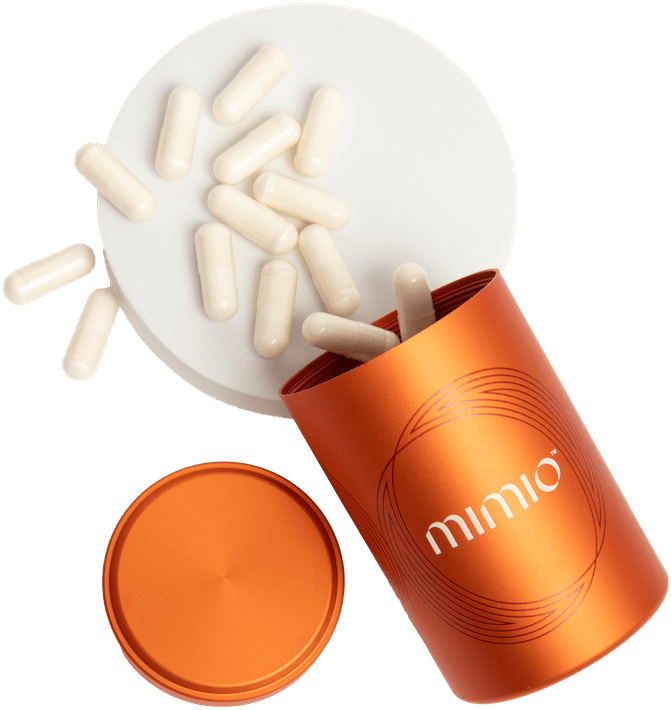
Where Mimio Daily Cell Care Fits in a Perimenopause Protocol
Most perimenopause supplements address symptoms downstream of the biological changes happening at the cellular level. Mimio Daily Cell Care addresses the cellular changes themselves.
The formulation contains four bioactive compounds that map directly to mechanisms under stress during perimenopause:
Nicotinamide (NAD+ precursor) supports mitochondrial energy production. Estrogen plays a direct role in mitochondrial function, so NAD+ levels decline more rapidly during the perimenopausal transition. Restoring NAD+ availability addresses the cellular energy deficit that drives much of the fatigue and metabolic slowdown of this stage.
Spermidine supports cellular autophagy — the process by which cells clear out damaged components and recycle them into new function. Autophagy declines with age and accelerates that decline during perimenopause. Supporting it preserves the cellular efficiency that makes every other system work better.
Oleoylethanolamide (OEA) activates PPAR-alpha, a metabolic pathway involved in satiety signaling and fat oxidation. This is directly relevant to the abdominal weight gain and disrupted hunger signaling many women experience.
Palmitoylethanolamide (PEA) supports a healthy inflammatory response. Low-grade inflammation is one of the most consistent biological signatures of perimenopause and a major driver of insulin resistance, fatigue, and visceral fat accumulation.
These four compounds are the bioactive metabolites the body itself produces during fasting, a state shown in clinical research to activate cellular repair, autophagy, mitochondrial efficiency, and inflammatory regulation. The biomimetic approach delivers those signals in supplement form, without requiring extended fasting.
Mimio is not a perimenopause supplement in the conventional sense. It is a cellular health supplement that addresses precisely the cellular biology perimenopause disrupts. It works as the foundational layer of a complete protocol, and the layer that makes targeted symptom-specific supplementation more effective rather than competing with it.
You can explore the full formulation, dosing, and clinical research at the Mimio Daily Cell Care product page.
What to Look for When Evaluating Any Perimenopause Supplement
The perimenopause supplement market is large and noisy. A few principles help distinguish products worth considering from marketing-driven noise.
Clinical evidence over traditional use. Look for ingredients backed by peer-reviewed research on specific mechanisms. Credible supplements reference actual studies, not just historical use or consumer testimonials.
Bioavailability matters more than ingredient lists. How well an ingredient absorbs varies significantly by form. Magnesium glycinate absorbs substantially better than magnesium oxide. An ingredient present in a poorly absorbed form, or at a sub-clinical dose, offers limited benefit regardless of how it looks on the label.
Dosage must match the research. Many supplements contain active ingredients at doses well below what was used in the clinical studies they reference. Verify that dosage corresponds to what the evidence actually supports.
Third-party testing for quality assurance. For supplements you plan to take consistently, look for products tested by independent labs for purity and potency. This matters particularly for ingredients like spermidine and specialized B vitamin forms where manufacturing quality varies widely.
Lifestyle Factors That Work Alongside Supplementation
Supplements work best as part of a broader strategy. A few evidence-backed lifestyle approaches are particularly relevant for perimenopausal women.
Time-restricted eating and fasting windows have shown benefits for women in perimenopause specifically, supporting metabolic rate and activating cellular repair pathways. Research on the benefits of a 36-hour fast demonstrates significant cellular and metabolic benefits, including autophagy induction and improvements in metabolic markers. Women in perimenopause may respond differently to extended fasting than the general population, and an upcoming Mimio guide will cover fasting and female hormones specifically.
Strength training is among the most evidence-backed interventions for perimenopausal women. It preserves lean muscle mass, which declines as estrogen drops, and supports insulin sensitivity, bone density, and mood. Two to three sessions per week of progressive resistance training is consistently supported by the research.
Sleep optimization is often underestimated as a metabolic and cellular health intervention. Poor sleep during perimenopause creates a feedback loop: worsened cortisol regulation increases appetite, reduces energy for exercise, and impairs the cellular repair that occurs primarily during deep sleep. Addressing sleep quality directly has compound downstream benefits on nearly every other symptom.
For a broader framework on evidence-backed supplementation at midlife, the Mimio guide to the best longevity supplements in 2026 covers the full landscape of science-backed options for this life stage.
HRT vs. Supplements: How to Think About Both
The choice between hormone replacement therapy (HRT, also called menopause hormone therapy or MHT) and a supplement-based approach is one of the most common questions women bring to perimenopause care. The honest answer is that these are not mutually exclusive options, and treating them as a binary choice misses the most useful framing.
What HRT Does That Supplements Cannot
HRT addresses the primary biological driver of perimenopausal symptoms directly: declining and fluctuating estrogen, often combined with progesterone in women with an intact uterus. By restoring estrogen levels, HRT can produce reductions in hot flashes, night sweats, sleep disruption, vaginal dryness, and bone loss that no supplement protocol matches in scale. For women with significant symptoms affecting daily life, HRT is the most evidence-backed intervention available.
The decision to use HRT is a clinical one, not a supplement-guide one. It depends on individual risk factors including personal and family history of breast cancer, cardiovascular disease, blood clots, and stroke, as well as the stage of perimenopause, severity of symptoms, and personal preference. The risk-benefit profile for HRT has been substantially clarified in the years since the original Women's Health Initiative findings, and current guidelines from major medical societies are more supportive of HRT for most healthy women within 10 years of menopause onset than they were a decade ago.
What Supplements Do That HRT Does Not
HRT does not fully neutralize every metabolic and cellular change of perimenopause. It addresses hormonal signaling but not directly the mitochondrial decline, autophagy slowdown, insulin resistance shift, or inflammatory changes that run parallel to the hormonal transition. Supplements that target these mechanisms, including magnesium for insulin sensitivity, omega-3s for inflammation, NAD+ precursors and other cellular health compounds for mitochondrial function work alongside HRT, not against it. Most women on HRT still benefit from a foundational supplement layer.
For women who choose not to use HRT or are not candidates for it, supplements take on more weight in the protocol. The realistic expectation: a well-designed supplement and lifestyle protocol can meaningfully reduce many perimenopause symptoms, but it will not match the symptom-relief magnitude of HRT for vasomotor symptoms specifically. That is a tradeoff to make with clear eyes rather than around inflated expectations.
The Practical Framing
For most women, the useful question is not "HRT or supplements" but "what does my full protocol look like, and where does each component fit." A complete approach typically includes a clinical decision about HRT (with a provider who specializes in perimenopause), a foundational supplement layer correcting common deficiencies and supporting cellular health, targeted supplements for specific symptoms that remain prominent, and lifestyle interventions including strength training, sleep optimization, and dietary adjustments. The supplement strategy is part of the protocol regardless of the HRT decision.
Side Effects and Interactions to Know About
Supplements are not pharmaceutically inert. The fact that they are available without a prescription does not mean they are without meaningful effects, including interactions with medications and contraindications for specific health conditions. This section covers the most common concerns for the supplements discussed in this guide.
Black Cohosh
Generally well tolerated. Rare reports of liver enzyme elevation have been documented, which has led to a recommendation that women using black cohosh consistently for more than 6 months consider periodic liver function monitoring. Women with existing liver conditions or on medications that affect liver enzymes should discuss black cohosh with their provider before starting.
Berberine
The supplement with the most clinically meaningful interaction profile in this category. Berberine has documented blood-glucose-lowering effects strong enough to require caution in women already taking glucose-lowering medications such as metformin, sulfonylureas, or insulin. Combining them without medical supervision risks hypoglycemia. Berberine also affects the activity of CYP3A4 liver enzymes, which can alter the metabolism of many common medications including certain statins, antidepressants, and immunosuppressants. Berberine is among the most useful supplements covered in this guide and also the one most worth discussing with a healthcare provider before adding.
Magnesium
The form determines tolerability. Magnesium oxide, the cheapest and most commonly used form, is poorly absorbed and frequently causes loose stools or digestive discomfort at higher doses. Magnesium glycinate, citrate, or malate are far better tolerated and better absorbed. At very high doses (above approximately 600 mg), even well-tolerated forms can produce digestive effects. Magnesium can also interact with certain antibiotics and bisphosphonate medications used for osteoporosis — separate dosing by 2–4 hours.
Vitamin D
Toxicity is rare but possible at sustained intake above 10,000 IU daily for extended periods. Most women benefit from blood-level testing rather than guessing at dose. Vitamin D should be taken with vitamin K2 (typically 100–200 mcg of MK-7) to ensure calcium is directed toward bone rather than arteries.
Ashwagandha
Generally well tolerated. The most relevant consideration is for women with thyroid conditions: ashwagandha has been documented to modestly increase thyroid hormone levels in some users, which can be problematic for women with hyperthyroidism or those on thyroid medications. Women with autoimmune thyroid disease (Hashimoto's, Graves') should discuss ashwagandha with their provider before starting.
Phytoestrogens (Soy Isoflavones, Red Clover)
The most clinically relevant caution is for women with a history of hormone-sensitive cancers, particularly estrogen-receptor-positive breast cancer. The data on phytoestrogens in this population is genuinely mixed. Some research suggests no harm or even modest benefit, while clinical caution remains warranted. Women in this category should discuss any phytoestrogen-containing supplement with their oncologist before starting.
DIM
Can affect the metabolism of medications processed through the same liver enzyme pathways, including certain hormonal medications, statins, and benzodiazepines. Women on hormonal birth control or HRT should discuss DIM with their provider before adding it, as the interaction may alter medication levels.
Evening Primrose Oil
Mildly affects platelet function and can increase bleeding risk when combined with anticoagulant medications (warfarin, direct-acting oral anticoagulants) or high-dose aspirin. Women on these medications should avoid evening primrose oil or use it only with provider awareness.
Omega-3 Fatty Acids
At high doses (above 3 g of combined EPA/DHA), omega-3s can mildly affect platelet function. Women on anticoagulants should discuss the dose with their provider. Standard supplementation doses are well tolerated by most women.
General Principles
Start one supplement at a time. Add new supplements at 4–6 week intervals so the source of any side effect is identifiable. Maintain a current list of all supplements alongside medications when seeing healthcare providers, including emergency care and specialists, because most clinical risk from supplements arises from interactions providers were unaware of. Bloodwork at baseline and again at 12 weeks helps separate real benefit from perceived benefit and catches interactions before they become clinically meaningful.
Frequently Asked Questions
What is the best supplement to take for perimenopause?
There is no single best supplement because the right protocol depends on which symptoms are most significant. That said, the most evidence-backed categories are: NAD+ precursors like nicotinamide for cellular energy, magnesium glycinate for sleep and mood, vitamin D3 with K2 for bone health, and omega-3 fatty acids for cardiovascular support. For women looking to address the cellular mechanisms driving many perimenopausal symptoms at the source, including declining mitochondrial function and reduced cellular repair, Mimio Daily Cell Care offers a foundational cellular health approach that complements targeted symptom-specific supplementation.
How do you treat perimenopause naturally?
Natural approaches to perimenopause management typically combine targeted supplementation for specific symptoms, lifestyle changes including strength training and sleep optimization, dietary adjustments to support insulin sensitivity, stress management practices, and approaches that support cellular health and repair. Natural approaches work best as a comprehensive strategy rather than in isolation. For women experiencing symptoms that significantly impact daily life, consulting a healthcare provider about all available options is important. Always speak with your healthcare provider before starting any new supplement regimen during hormonal transitions.
Does menopause increase cholesterol levels?
Research consistently shows that cholesterol levels, particularly LDL cholesterol, tend to rise as estrogen levels decline during perimenopause and menopause. Estrogen plays a role in regulating how the liver processes cholesterol, so its decline shifts this balance. This is one reason cardiovascular risk increases for women after menopause. From a supplement standpoint, omega-3 fatty acids have the strongest evidence for supporting healthy triglyceride and cholesterol levels during this transition. Dietary fiber, plant sterols, and consistent aerobic exercise also have meaningful supporting research. For a complete look at the biology and what the research supports, see our guide on perimenopause and cholesterol.
Can estrogen supplements help with osteoporosis?
Estrogen therapy (hormone replacement therapy, or HRT) is a medical intervention with a specific risk-benefit profile that requires individual assessment by a healthcare provider. From a supplement standpoint, vitamin D3 with K2, magnesium, and collagen peptides have evidence for supporting bone mineral density during the perimenopausal transition. Resistance training has particularly strong evidence for bone density maintenance and should be part of any bone health strategy at this life stage.
What supplements help with perimenopause weight gain?
Perimenopause weight gain, particularly abdominal fat accumulation, responds best to interventions that target metabolic rate, insulin sensitivity, and inflammatory signaling. Supplements with research supporting these mechanisms include OEA for satiety signaling and fat metabolism, magnesium for insulin sensitivity, omega-3 fatty acids for inflammatory support, and NAD+ precursors for cellular energy metabolism. Dietary and exercise changes remain the most evidence-backed primary interventions, with supplements serving a supporting role. Reducing refined carbohydrates and adding consistent strength training are the most impactful starting points.
What supplements help with perimenopause mood and anxiety?
Mood and anxiety changes during perimenopause have a biological basis in estrogen's fluctuating effects on serotonin and dopamine signaling, as well as the compounding effects of sleep disruption on emotional regulation. Supplements with evidence for mood support in perimenopausal women include magnesium glycinate for nervous system regulation and sleep, B vitamins including B6 for serotonin synthesis, and omega-3 fatty acids which have documented benefits for mood. Addressing sleep quality directly tends to have the most consistent downstream impact on mood and anxiety symptoms.
What is the best supplement for perimenopause hot flashes?
The most evidence-backed botanicals for hot flashes are sage (280–340 mg standardized extract), black cohosh (20–40 mg), and pycnogenol (100–200 mg). Soy isoflavones at 50–100 mg work for women who are equol producers — roughly 25–30 percent of Western women — and have minimal effect for everyone else. Magnesium glycinate supports sleep quality, which reduces the impact of night sweats on next-day function. No supplement matches the magnitude of relief that hormone therapy provides for vasomotor symptoms specifically, but several offer meaningful reductions for women not on HRT or seeking complementary support.
Can I take perimenopause supplements with hormone replacement therapy?
Most foundational and cellular health supplements, including magnesium, vitamin D3 with K2, omega-3s, NAD+ precursors, spermidine, which work alongside HRT without interaction concerns. Supplements that affect hormone metabolism, including DIM and high-dose phytoestrogens, should be discussed with the prescribing provider before adding to an HRT regimen, as they may alter how the body processes the prescribed hormones. The combination of HRT with cellular health and metabolic support is increasingly common in clinical practice and is generally well tolerated.
How long should I take perimenopause supplements?
Foundational supplements correcting deficiencies (vitamin D, magnesium, omega-3s, B vitamins) are typically continued indefinitely as part of long-term health maintenance. Symptom-specific botanicals such as black cohosh and sage are usually used for the duration of active symptoms, often 2–5 years, with periodic reassessment to determine whether they are still producing benefit. Cellular health support is reasonable to continue long-term given the broader healthspan considerations beyond perimenopause specifically. The most useful checkpoint is bloodwork and symptom assessment every 6–12 months to confirm that what you are taking is still earning its place in the protocol.
The Bottom Line
Perimenopause is a significant biological transition that is hormonal, metabolic, and cellular at the same time. The supplement landscape is noisy, but a clear picture emerges when you focus on what the research actually supports.
The most effective approach combines targeted supplementation for specific symptoms with a foundational strategy that addresses the cellular biology driving many of those symptoms in the first place. What is happening at the cellular level during perimenopause is not a side effect. It is the mechanism.
To learn how Mimio Daily Cell Care supports the cellular processes most relevant to perimenopausal health, including cellular energy metabolism, autophagy, and healthy inflammatory signaling, visit the Mimio product page.