Here is something most fasting guides do not tell you: the research that established many of the most widely cited fasting protocols was conducted predominantly on men. And when women are included in fasting studies, they are often grouped across a wide age range without accounting for the hormonal and metabolic changes that make the experience of fasting after 40 meaningfully different.
This matters because fasting is not a one-size-fits-all practice. The benefits are real and well-documented. So are the specific considerations that apply to women navigating perimenopause, fluctuating hormones, and changing metabolic patterns. Getting the details right is the difference between a fasting practice that works well and one that creates more problems than it solves.
This guide covers what the science actually shows about fasting benefits for women over 40, how those benefits connect to the specific biological changes happening at this life stage, and what to keep in mind before starting or adjusting a fasting protocol.
Why Fasting Works Differently After 40
The benefits of fasting in general terms, including improved insulin sensitivity, weight management, and cellular repair, are well established in the research. But the mechanism and magnitude of those benefits shifts for women after 40 because the underlying hormonal and metabolic environment has shifted.
Estrogen plays a more central role in metabolic regulation than many people realize. It supports insulin sensitivity, helps regulate how the body stores fat (and where), moderates the inflammatory response, and has a protective effect on mitochondrial function, meaning the efficiency with which your cells produce energy. As estrogen levels begin to fluctuate and gradually decline during perimenopause, each of these areas is affected.
The result is a set of changes that often feel sudden but are actually the cumulative effect of gradual shifts in cellular biology. Abdominal fat accumulates more readily. Insulin sensitivity decreases. Energy regulation becomes less stable. Inflammatory markers rise. Sleep becomes less restorative, which compounds every other effect.
Fasting, when approached appropriately, addresses several of these changes at the root level. That is why understanding the specific mechanisms matters more than simply following a protocol designed for a different population. For context on the full picture of supplement and lifestyle support for this transition, our guide on perimenopause supplements covers what the science supports at this life stage.
The Research-Backed Benefits of Fasting for Women Over 40
The benefits below reflect what the research shows specifically in the context of women at this life stage. These are not generic fasting talking points; they map directly to the biological changes that perimenopause accelerates.
Improved Insulin Sensitivity and Hormonal Regulation
Insulin resistance increases as estrogen declines, and this is one of the primary drivers of abdominal weight gain in midlife women. When cells become less responsive to insulin, the body produces more of it, which promotes fat storage particularly around the midsection and increases the risk of developing type 2 diabetes over time.
Time-restricted eating has consistently shown improvements in insulin sensitivity across multiple studies. By extending the period during which the body is in a fasted, low-insulin state, intermittent fasting allows insulin levels to fall and cells to reset their responsiveness. Research in perimenopausal and postmenopausal women specifically has associated time-restricted eating with improvements in fasting insulin and glucose levels, two markers that become increasingly important at this life stage.
The hormonal regulation benefit extends beyond insulin. Fasting has been shown to influence ghrelin (the hunger hormone), leptin (the satiety hormone), and adiponectin (a hormone involved in fat metabolism), all of which tend to shift unfavorably during perimenopause. Fasting practices that respect women's cortisol sensitivity, covered in the considerations section below, can help recalibrate these signals.
Metabolic Health: Blood Pressure, Cholesterol, and Visceral Fat
The metabolic shifts of perimenopause are not just about weight on a scale. Cholesterol ratios change. Blood pressure tends to rise. Visceral fat, the metabolically active fat stored around the abdominal organs, accumulates in ways that elevate cardiovascular risk.
Research on intermittent fasting in midlife women has associated these practices with meaningful improvements across multiple metabolic markers. Studies have documented reductions in total cholesterol and LDL, improvements in the total cholesterol to HDL ratio, lower fasting triglycerides, and reductions in systolic blood pressure. A 2026 randomized trial in Scientific Reports on a fasting-mimetic supplement in postmenopausal adults documented similar cardiometabolic improvements, including reductions in LDL particle number and oxidized LDL. The cholesterol dynamic is even more specific for women in perimenopause and menopause, where declining estrogen directly affects how the liver clears LDL, and our guides on perimenopause and cholesterol and menopause and cholesterol cover the biology and evidence in depth. These are not cosmetic outcomes. They are direct measurements of cardiovascular risk that matter increasingly after 40 as estrogen's protective effect on the cardiovascular system begins to diminish.
The visceral fat reduction associated with time-restricted eating is particularly relevant for women over 40. Visceral fat is hormonally active, meaning it produces inflammatory signals and disrupts hormonal balance in ways that subcutaneous fat does not. Reducing it through fasting is not just about appearance but about reducing the biological burden that drives much of the symptom experience of perimenopause.
Cellular Repair and Autophagy: The Longevity Mechanism
This is where fasting science gets genuinely compelling, and where many popular guides underexplain the mechanism.
Autophagy is the process by which cells identify and clear out dysfunctional components: misfolded proteins, damaged organelles, cellular debris that accumulates over time. Think of it as your cells running their own maintenance cycle. When autophagy is working well, cells operate more efficiently, the immune system is better calibrated, and the biological markers of aging slow.
The problem is that autophagy activity declines with age, and perimenopause accelerates this decline. Estrogen plays a protective role in cellular maintenance, so as estrogen drops, the cellular repair that was happening quietly in the background becomes less consistent.
Fasting is one of the most reliably studied activators of autophagy in humans. As glucose and insulin levels fall during a fast, the body upregulates cellular cleanup processes. Research indicates that autophagy activity increases significantly during fasting windows of 16 hours or more. Our guide on how fasting windows affect autophagy maps this out in detail, including the timeline of what changes at each fasting duration.
For a deeper explanation of the cellular mechanism, including what happens at the molecular level during autophagy, see what happens during cellular autophagy.
Cognitive Clarity and Brain Fuel
Many women over 40 report brain fog as one of the more disruptive experiences of perimenopause. The concentration problems, the word-finding difficulty, the feeling that processing speed has slowed. These experiences have a physiological basis in estrogen's effects on neurotransmitter activity and in the metabolic changes that affect how the brain accesses and uses fuel.
Fasting influences brain function through a specific mechanism: as carbohydrate availability drops, the liver produces ketone bodies from fat. The brain can use ketones very efficiently as an alternative fuel source, and many people report improvements in mental clarity and sustained focus during fasted states. This is particularly relevant for women over 40 because the brain's usual glucose metabolism is already under some strain from declining estrogen.
Research has also associated intermittent fasting with increased BDNF (brain-derived neurotrophic factor), a protein that supports the growth and maintenance of neurons. BDNF levels tend to decline with age, and their association with cognitive resilience has made them a meaningful target in longevity research.
Inflammation Reduction
Chronic low-grade inflammation is one of the unifying mechanisms behind many of the conditions that become more common after 40, including cardiovascular disease, metabolic syndrome, joint problems, and even depression. Declining estrogen contributes to this inflammatory shift because estrogen has anti-inflammatory effects at the cellular level.
Fasting has documented anti-inflammatory effects, including reductions in C-reactive protein (CRP), interleukin-6 (IL-6), and tumor necrosis factor-alpha (TNF-alpha), all markers of systemic inflammation that research has linked to the disease burden of aging. The mechanism runs partly through autophagy, as cellular cleanup reduces the accumulation of damaged components that trigger inflammatory signaling, and partly through direct effects on immune cell activity during fasted states.
For women over 40, addressing the inflammatory component of perimenopause through diet and fasting practices is one of the most evidence-backed lifestyle interventions available, working in parallel with targeted supplementation and resistance training.
The Best Fasting Approaches for Women Over 40
Not all fasting protocols suit women in perimenopause equally. The research points to a few approaches that balance meaningful benefit with hormonal compatibility.
16:8 Time-Restricted Eating: The Starting Point
A 16-hour fast followed by an 8-hour eating window (often called 16:8) is the most studied and most accessible entry point for women over 40. It typically involves finishing dinner by 7 or 8 pm and not eating again until 11 am or noon the next day, which is sustainable for most schedules without requiring extreme dietary changes.
The research supports 16:8 specifically for women at this life stage because it delivers meaningful metabolic benefits, including improved insulin sensitivity and autophagy upregulation, without the cortisol stress that can come with more aggressive fasting windows. Women are more sensitive to the cortisol effects of prolonged caloric restriction than men, and extended fasting that spikes cortisol can counteract the benefits you are trying to achieve.
Starting with a 12-hour fast and gradually extending to 14 and then 16 hours over several weeks is the approach most often recommended for women new to fasting. Gradual progression prevents the cortisol spike that can accompany abrupt caloric restriction.
36-Hour and Extended Fasting: When the Evidence Applies
Extended fasting protocols have a compelling body of research behind them for autophagy induction, metabolic reset, and cellular repair. The benefits of 36-hour fasting have been studied specifically in the context of activating longevity-associated pathways that shorter fasting windows access less completely.
For women over 40, extended fasting carries specific considerations that are worth understanding before attempting it. Cortisol rises during prolonged fasting, and in women whose cortisol regulation is already under strain from poor sleep, high stress, or perimenopause-related hormonal fluctuations, this can disrupt thyroid function, worsen adrenal fatigue, and create the exact hormonal imbalances you are trying to address.
This does not mean extended fasting is off the table for women over 40. It means it warrants more careful preparation: adequate sleep in the days leading up to a longer fast, low stress levels, good baseline nutrition, and starting with 24-hour fasts before attempting 36-hour windows. Women with thyroid conditions or a history of disordered eating should discuss extended fasting with a healthcare provider specifically.
Circadian Fasting: Aligning the Fast with Daylight Hours
One of the more interesting refinements in fasting research for women involves circadian timing. The body's metabolic processes, including insulin sensitivity, cortisol rhythms, and cellular repair, follow a daily circadian pattern tied to light exposure. Fasting protocols that align the eating window with daylight hours, for example eating from 8 am to 4 pm or 10 am to 6 pm, appear to produce better metabolic outcomes than equivalent caloric windows shifted later into the evening.
For women over 40, early time-restricted eating (eTRE) may be particularly beneficial because it aligns the eating window with the period of highest insulin sensitivity, reduces the metabolic burden of late-night digestion, and supports cortisol's natural morning peak rather than working against it. It is also associated with better sleep quality, which matters significantly for every other aspect of perimenopausal health.
Practically, this protocol requires the most scheduling adjustment, but the research basis for its specific advantages over late-window fasting is growing and worth considering, especially for women who find evening hunger manageable.
What Changes at the Cellular Level: The Fasting Mimetic Approach
The cellular repair benefits of fasting, particularly autophagy induction and mitochondrial function support, are among the most compelling mechanisms in the research. They are also the mechanisms that require longer fasting windows to fully activate, which creates a practical tension for women navigating perimenopause who may not be good candidates for extended fasting.
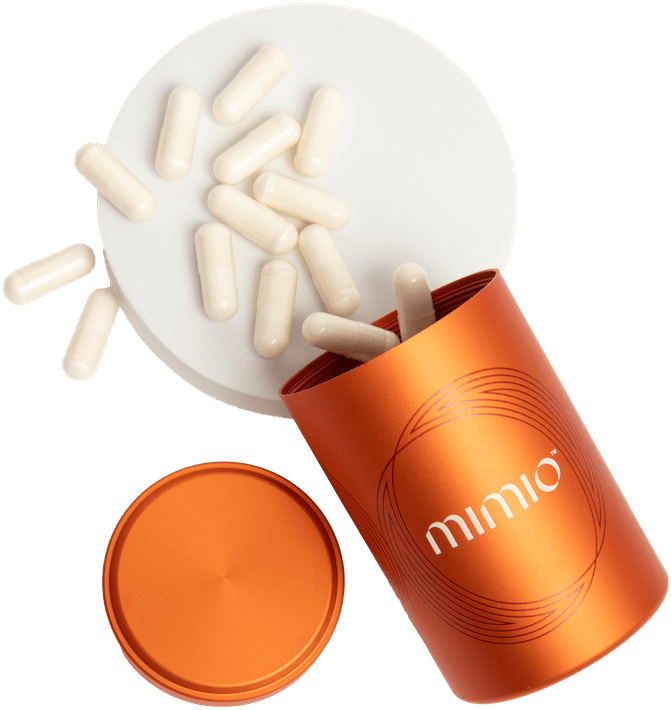
This tension is part of what drove the research that led to Mimio. The clinical work behind Mimio's formulation focused on the specific metabolic signals the body produces during fasting: the bioactive compounds associated with autophagy activation, reduced inflammatory signaling, and improved mitochondrial efficiency. A 2026 randomized, placebo-controlled trial in Scientific Reports documented measurable improvements in cholesterol, LDL particle number, oxidized LDL, and fasting glucose in postmenopausal adults taking Mimio over 8 weeks.The biomimetic principle is to deliver those signals in supplement form, effectively replicating what fasting does at the cellular level without requiring extended caloric restriction.
For women over 40 who want the cellular benefits of fasting but whose hormonal profile or lifestyle makes aggressive fasting windows inadvisable, Mimio Daily Cell Care offers a way to support those same pathways consistently. It works most effectively alongside a moderate fasting practice rather than as a replacement for it, but it addresses the gap between what shorter fasting windows deliver and what the cellular repair research points to as optimal.
The ingredients in Mimio, including nicotinamide (NAD+ precursor), spermidine, OEA, PEA, and the other compounds derived from the fasting metabolite research, each map to specific mechanisms that become more relevant during perimenopause: cellular energy production, autophagy induction, appetite regulation, and healthy inflammatory signaling.
Setting Up a Fasting Practice: A Practical Starting Framework
The research supports a gradual, structured approach for women over 40 starting or adjusting a fasting practice. Here is what that looks like in practice.
Week 1 to 2: Start at 12 hours. Finish dinner by 8 pm and do not eat again until 8 am. This is a minimal fasting window that most people are already close to. The goal is to establish consistency and observe how your body responds, particularly around energy and sleep.
Week 3 to 4: Extend to 14 hours. Move breakfast to 10 am or move dinner slightly earlier. Notice any changes in hunger patterns, energy in the morning, and sleep quality.
Week 5 and beyond: Move to 16 hours if the previous stage felt comfortable. This is where most of the well-studied metabolic and cellular benefits activate consistently. A 16-hour window is a reasonable sustained practice for most women over 40.
For the eating window: prioritize protein and healthy fats. Adequate protein intake (typically 0.7 to 1 gram per pound of lean body mass) is particularly important for women over 40 because lean muscle mass is already under pressure from declining estrogen. Eating too little protein while fasting can accelerate muscle loss, which counteracts several of the metabolic benefits.
If you are building out a structured fasting schedule, the Mimio guide to intermittent fasting schedules covers protocol options and how to structure eating windows in detail.
When Fasting May Not Be the Right Approach
The honest version of this conversation includes the cases where fasting is not a good fit, or where it needs to be approached with more care. Google's AI Overview for this topic includes these considerations, and for good reason: they are real and relevant for a meaningful percentage of women over 40.
High stress levels and adrenal strain. Fasting raises cortisol, which is useful in short bursts but problematic for women whose cortisol is already elevated from chronic stress, poor sleep, or perimenopause-related hormonal disruption. If you are in a high-stress period, beginning an aggressive fasting protocol may worsen rather than improve your symptoms. Start with a 12-hour window and prioritize sleep before extending.
History of disordered eating. Fasting requires a measured, non-restrictive relationship with food. For women with a history of disordered eating patterns, time-restricted eating can reinforce restriction-oriented thinking. If this applies to you, working with a therapist or registered dietitian alongside any fasting practice is important.
Thyroid conditions including Hashimoto's. The relationship between fasting and thyroid function is nuanced. Some research suggests intermittent fasting may be beneficial for autoimmune thyroid conditions through its anti-inflammatory effects. Other research points to the risk of fasting-induced cortisol spikes disrupting T3 conversion. If you have Hashimoto's or any thyroid condition, discuss fasting with your healthcare provider before starting.
Concurrent medication use. Women taking medications including GLP-1 receptor agonists like tirzepatide or semaglutide should discuss fasting protocols with their prescribing physician. These medications significantly alter appetite and glucose regulation, and fasting on top of them requires careful monitoring. This is a conversation for your doctor, not a supplement guide.
Frequently Asked Questions
How long should women over 40 fast?
For most women over 40, a 16-hour fasting window (eating within an 8-hour period) represents the best balance of meaningful metabolic and cellular benefits with manageable cortisol impact. This is where the research on insulin sensitivity improvement, visceral fat reduction, and autophagy upregulation is most consistent for women at this life stage. Starting at 12 hours and building gradually is the recommended approach rather than jumping to 16 or more hours immediately. Extended fasting windows of 24 to 36 hours can deliver additional benefits for cellular repair but carry more cortisol risk and should be approached with more preparation and, in some cases, guidance from a healthcare provider.
Can fasting help with Hashimoto's?
The research on fasting and Hashimoto's is genuinely mixed, and the honest answer is that it depends on the individual. Fasting's anti-inflammatory effects have shown potential benefits for autoimmune conditions including Hashimoto's thyroiditis in some research, partly because reducing systemic inflammation may help moderate the autoimmune activity underlying the condition. At the same time, prolonged fasting raises cortisol, and elevated cortisol can suppress thyroid hormone conversion (T4 to T3) and worsen the fatigue and brain fog already associated with Hashimoto's. If you have Hashimoto's and are considering fasting, a short 12 to 14-hour window with consistent meal timing is the most conservative starting point, and the conversation with your healthcare provider or functional medicine doctor should happen before you begin.
Is fasting okay when taking tirzepatide?
This is a question for your prescribing physician, not a guide on fasting. Tirzepatide (and similar GLP-1 receptor agonists) significantly affect appetite, gastric emptying, and blood sugar regulation. Adding a fasting protocol on top of these medications without medical guidance creates risk of hypoglycemia, excessive caloric restriction, and nutrient deficiencies. If you are on tirzepatide and interested in the benefits of fasting, bring the question to your doctor. The combination may be manageable under supervision, but it is not something to start based on general fasting guidance.
Can intermittent fasting lower A1c?
Yes, research has associated intermittent fasting with meaningful reductions in A1c (hemoglobin A1c, a measure of average blood sugar over approximately 3 months) in studies involving women with insulin resistance and type 2 diabetes. The mechanism is improved insulin sensitivity during the fasting window, which reduces the chronic glucose exposure that drives A1c elevation. A 2020 study published in Obesity Reviews found that various forms of intermittent fasting produced A1c reductions comparable to continuous caloric restriction. For women over 40 whose A1c is in the prediabetic range, time-restricted eating is one of the most evidence-backed lifestyle interventions available and worth discussing with a healthcare provider as part of a broader metabolic health strategy.
What is the best intermittent fasting schedule for women over 40?
The research most consistently supports 16:8 time-restricted eating as the optimal starting point for women over 40, particularly those in perimenopause. The 5:2 protocol (two days of significant caloric restriction per week) is also studied and may suit women who prefer day-off flexibility. The key variables for women at this life stage are: keeping the fasting window within a range that does not chronically spike cortisol (usually 16 hours maximum for daily practice), aligning the eating window with daytime hours where possible, ensuring adequate protein intake during the eating window, and building gradually rather than starting with aggressive restriction. Women under significant stress or with thyroid conditions should consult a healthcare provider before beginning. Women with cardiovascular concerns or recent changes in their lipid panel may also benefit from reviewing our guides on perimenopause and cholesterol and menopause and cholesterol, which cover the hormonal mechanisms specifically.
Does fasting affect estrogen levels in women over 40?
Fasting does not raise estrogen, and it will not reverse the hormonal trajectory of perimenopause. What the research shows is that fasting can improve the metabolic environment in which fluctuating estrogen operates: better insulin sensitivity, reduced visceral fat (which itself produces estrogen-disrupting compounds), lower systemic inflammation, and improved leptin and adiponectin signaling. These improvements do not replace the hormonal change but they reduce its metabolic burden. Some research suggests that the cortisol response to aggressive fasting can suppress sex hormone production, which is one of the reasons that conservative fasting windows are recommended over aggressive ones for perimenopausal women specifically.
The Bottom Line
Fasting offers real, research-documented benefits for women over 40. Improved insulin sensitivity, reduced visceral fat, cellular repair through autophagy, cognitive clarity, and inflammation reduction are not speculative claims. They are mechanisms supported by a growing body of evidence that is increasingly specific to women at this life stage.
The key is approaching fasting in a way that accounts for women's hormonal physiology rather than applying protocols designed for a different population. Start with 12 to 14 hours. Build toward 16 hours if that feels appropriate. Prioritize protein, align eating windows with daylight where possible, and be honest about the conditions under which extended fasting is not the right tool.
The cellular benefits of fasting, particularly autophagy and mitochondrial support, are most fully realized through consistent practice over time. For women who want to support those same cellular mechanisms alongside or between fasting windows, Mimio’s Fasting Supplement was designed precisely around the fasting metabolite research that maps to those pathways.
You can learn more about the formulation and the science behind the biomimetic approach at Mimio Daily Cell Care.