Best Supplements for Perimenopause Weight Gain: What Actually Works
You are eating the same way you have for years. Your activity level has not changed. But something in your body has, and the weight, particularly around your midsection, does not respond the way it used to.
This is one of the most consistent experiences women report during perimenopause, and it has a specific biological explanation. The abdominal weight gain of perimenopause is not primarily about calories. It is about a shift in how your body stores fat, where it stores it, and what is driving those decisions at the hormonal and cellular level. Understanding that shift is what separates supplements that have a legitimate mechanism from the ones that are essentially wishful thinking.
This guide covers the supplement categories with the strongest research behind them, why they work at the biological level, and what to look for when evaluating products in an extremely noisy market.
Why Perimenopause Weight Gain Is Different
The weight changes of perimenopause are not caused by eating more or moving less. They are driven by a fundamental shift in metabolic and hormonal biology that affects how the body handles fat specifically.
Estrogen plays a significant role in fat distribution. During the reproductive years, estrogen favors storing fat in the hips, thighs, and buttocks, a pattern associated with lower metabolic risk. As estrogen levels fluctuate and decline during perimenopause, fat redistribution shifts toward the abdomen. This is not just cosmetic. Abdominal fat, and specifically visceral fat stored around the internal organs, is metabolically active in ways that subcutaneous fat is not. It produces inflammatory cytokines, disrupts insulin signaling, elevates cardiovascular risk, and releases free fatty acids that further worsen insulin resistance.
Insulin resistance is the second major driver. Estrogen supports insulin sensitivity, so as estrogen levels drop, cells become less responsive to insulin. The body compensates by producing more of it, and chronically elevated insulin promotes fat storage, particularly in the abdomen. This is why the standard advice of eating less and moving more often fails to produce the same results it did before perimenopause: the metabolic environment has changed in ways that caloric restriction alone does not address. Insulin resistance also drives the cholesterol changes that many women see during this transition. Our guide on perimenopause and cholesterol covers that connection in depth.
The third factor is cellular: declining mitochondrial efficiency means cells produce less energy from the same inputs. This contributes to fatigue, reduces the drive to be active, and slows the resting metabolic rate in ways that compound over time. For a broader look at the full range of support strategies for perimenopause, the Mimio guide on perimenopause supplements covers the complete landscape.
What the Research Actually Supports: Supplement Categories by Mechanism
The following categories are organized by the specific mechanism they address, not by popularity or marketing presence. This is the most useful way to evaluate whether a supplement is relevant to your specific situation.
Insulin Sensitivity and Glucose Regulation
Given that insulin resistance is a primary driver of perimenopausal weight gain, supplements with meaningful evidence for improving insulin sensitivity are among the most mechanistically relevant options available.
Magnesium is one of the most consistently supported supplements for this purpose. Magnesium is a cofactor in over 300 enzymatic reactions, including many involved in glucose metabolism and insulin signaling. Research in peri and postmenopausal women has associated magnesium deficiency with increased insulin resistance, and supplementation has shown improvements in fasting glucose and insulin markers. Magnesium glycinate is the most bioavailable form for this application and also supports sleep quality, which has its own downstream effects on weight regulation.
Berberine has accumulated a compelling research base for insulin sensitivity and glucose regulation. Multiple studies have documented berberine's effects on fasting glucose, fasting insulin, and HbA1c in women with insulin resistance and metabolic dysfunction. Some research has compared berberine's effects on blood sugar markers to those of certain diabetes medications in head-to-head studies, though it is important to characterize this carefully: berberine is not a prescription drug equivalent, and anyone managing diagnosed diabetes or taking glucose-lowering medications should discuss it with their healthcare provider before starting.
Chromium supports insulin receptor sensitivity and has been studied for its role in reducing carbohydrate cravings, a common symptom of the insulin dysregulation that accompanies perimenopause. The evidence is not as robust as magnesium or berberine, but chromium picolinate has a reasonable supporting research base as part of a broader insulin-focused protocol.
Fat Metabolism and Satiety Regulation
Beyond insulin regulation, certain compounds influence how the body processes and stores fat, and how hunger signals are calibrated. These are particularly relevant for the abdominal fat accumulation and increased appetite that many women experience during perimenopause.
Oleoylethanolamide (OEA) is a naturally occurring fatty acid amide produced in the small intestine that acts as a satiety signal. It works through PPAR-alpha activation, a pathway involved in fat oxidation and lipid metabolism. OEA tells the brain the body has received adequate fat intake, which supports appetite regulation in a way that is distinct from stimulant-based appetite suppressants. Research on OEA has shown reductions in food intake and improvements in fat metabolism markers. For women whose perimenopause experience includes increased hunger and difficulty feeling satisfied, OEA is one of the more mechanistically interesting options available.
Omega-3 fatty acids (EPA and DHA) support fat metabolism through their effects on PPAR-alpha and PPAR-gamma pathways, reduce triglycerides, and have documented anti-inflammatory effects that address one of the key drivers of visceral fat accumulation. The evidence for omega-3s in perimenopause weight management is not primarily direct fat reduction but rather addressing the inflammatory and cardiovascular context that makes weight gain more persistent. Their cardiovascular benefits are particularly relevant given the elevated heart disease risk that accompanies declining estrogen.
Cellular Energy and Mitochondrial Support
The metabolic slowdown of perimenopause is partly mitochondrial. As cells become less efficient at producing energy, resting metabolic rate decreases and the biological drive to be active diminishes. Supporting mitochondrial function addresses this upstream cause rather than its downstream effects.
Nicotinamide (NAD+ precursor) supports mitochondrial energy production through its role in the NAD+/NADH cycle, a central mechanism of cellular energy metabolism. NAD+ levels decline with age and this decline appears to accelerate during perimenopause as estrogen's protective effects on mitochondrial function diminish. Research on NAD+ precursor supplementation has documented improvements in cellular energy metabolism markers and is an active area of longevity research.
Spermidine supports cellular autophagy — the process by which cells clear out damaged and dysfunctional components. When autophagy declines, as it does during perimenopause, cellular efficiency decreases across the board. Supporting autophagy through spermidine supplementation does not directly burn fat, but it supports the cellular environment in which metabolic processes operate more effectively.
Inflammation and Hormonal Balance Support
Chronic inflammation is a significant contributor to insulin resistance and visceral fat accumulation. Estrogen has anti-inflammatory properties, so its decline contributes to a rise in inflammatory markers that sustains the metabolic dysfunction driving perimenopausal weight gain.
Palmitoylethanolamide (PEA) supports a healthy inflammatory response through its effects on immune cell activity. Research has associated PEA with reductions in inflammatory markers and it has a strong safety profile with minimal interactions. For women managing the inflammatory component of perimenopause alongside weight concerns, PEA addresses a mechanism that many supplement protocols overlook.
DIM (diindolylmethane) is derived from cruciferous vegetables and has been studied for its role in supporting healthy estrogen metabolism, specifically the ratio of more favorable to less favorable estrogen metabolites. Some women and practitioners use DIM as part of a perimenopause support protocol, though it is important to characterize the evidence accurately: DIM's primary research base is around estrogen metabolite ratios, not direct weight loss. Its relevance to weight gain is indirect, through hormonal balance support rather than fat-burning mechanisms.
Vitamin D with vitamin K2 supports hormonal signaling and has been associated with improvements in insulin sensitivity in vitamin D-deficient populations. A significant percentage of perimenopausal women are deficient in vitamin D, and correcting this deficiency addresses a factor that compounds both insulin resistance and inflammatory signaling. The K2 pairing ensures calcium is directed toward bones rather than arteries.
The Cellular Foundation: Why These Mechanisms Connect
Looking at the supplement landscape for perimenopause weight gain, a pattern becomes clear. The mechanisms most consistently linked to meaningful outcomes, namely improved insulin sensitivity, reduced inflammation, and better fat metabolism, all trace back to a common upstream cause: the decline in cellular efficiency that perimenopause accelerates.
Declining mitochondrial function worsens insulin sensitivity. Reduced autophagy allows cellular debris to accumulate, disrupting metabolic processes. Rising inflammatory signaling, partly the result of less efficient cellular maintenance, reinforces visceral fat accumulation. These are not separate problems requiring separate supplements. They are interconnected consequences of a shift in cellular biology.
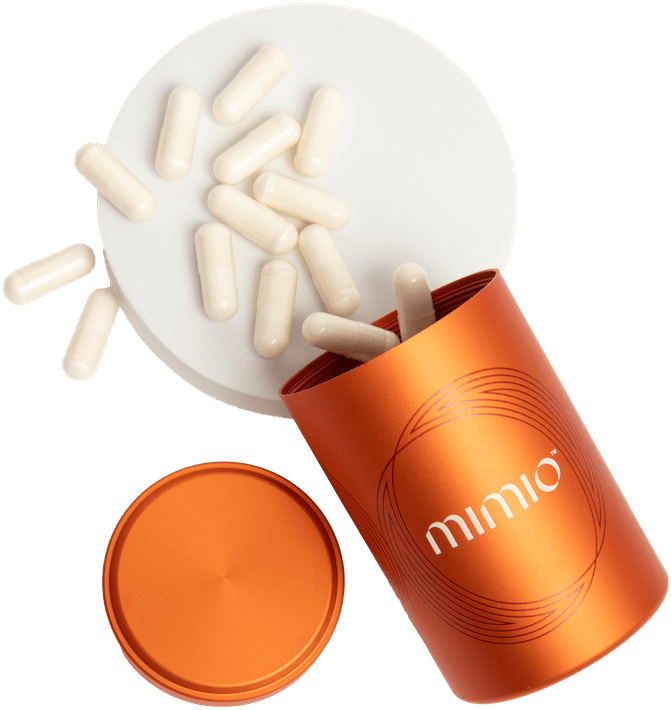
This is the reasoning behind Mimio's formulation. Mimio Daily Cell Care was developed from research into the bioactive metabolites produced by the body during fasting, a state in which cellular repair, autophagy, and mitochondrial efficiency all increase measurably. The biomimetic approach delivers those same cellular signals without requiring extended fasting, supporting the underlying biology that makes targeted supplementation work better. OEA and PEA, two of Mimio's key compounds, have direct relevance to the fat metabolism and inflammatory mechanisms most active in perimenopausal weight gain.
Mimio does not cause weight loss. What it does is support the cellular environment in which the metabolic processes responsible for healthy weight management operate more effectively. Combined with the targeted supplements covered above and the lifestyle factors below, it addresses the foundational layer that most perimenopause weight gain protocols skip. You can explore the full formulation at Mimio Daily Cell Care.
What Supplements Cannot Do for Perimenopause Weight Gain
This section matters because the supplement market for menopause and perimenopause is filled with overclaimed products. Honesty here is more useful than optimism.
Supplements cannot replace dietary changes. The insulin resistance driving perimenopausal weight gain is significantly worsened by diets high in refined carbohydrates and added sugars. No supplement counteracts a dietary pattern that chronically elevates insulin. The metabolic effects of berberine and magnesium are meaningful, but they work alongside dietary improvements, not instead of them.
Supplements cannot substitute for strength training. Lean muscle mass declines as estrogen drops, and declining muscle mass lowers resting metabolic rate. Resistance training is the most evidence-backed intervention for preserving and rebuilding lean muscle during perimenopause, and it has effects on insulin sensitivity that no supplement replicates at the same scale.
Supplements cannot replace sleep. Chronic poor sleep elevates cortisol, disrupts leptin and ghrelin (hunger hormones), increases cravings for refined carbohydrates, and directly worsens insulin resistance. Magnesium glycinate is useful for sleep support, but if sleep quality is severely disrupted, addressing that problem directly produces larger metabolic benefits than any other single intervention.
Supplements should not replace a medical evaluation. Sudden or significant weight gain during perimenopause can also reflect thyroid dysfunction, which is more common in perimenopausal women. If weight changes are rapid, unexplained, or accompanied by fatigue, hair loss, or significant cold sensitivity, a thyroid panel is warranted before attributing everything to perimenopause.
Building a Practical Supplement Protocol
Given the mechanisms above, here is a sensible framework for approaching supplementation for perimenopausal weight gain. This is a starting point for a conversation with your healthcare provider, not a prescription.
Foundation layer: Magnesium glycinate (300-400mg before bed), vitamin D3 with K2 (dosage based on blood levels), and omega-3 fatty acids (2-3g combined EPA/DHA daily). These address the most widely documented deficiencies and mechanisms with the strongest safety profiles.
Metabolic support layer: Berberine (500mg 2-3 times daily with meals) if insulin resistance is a primary concern. This should be discussed with a healthcare provider if you are managing any blood sugar condition or taking medications that affect glucose.
Cellular health layer: Supplements that support your metabolism at the cellular level, including NAD+ precursors, spermidine, OEA, and PEA, which address the foundational biology that makes the rest of your protocol more effective.
Fasting windows as a complement: Time-restricted eating supports insulin sensitivity and activates cellular repair mechanisms that supplements address only partially. Even a 12 to 16-hour eating window has documented metabolic benefits for women in perimenopause. The guide on fasting benefits for women over 40 covers the practical approach in detail, including the specific considerations for women at this life stage.
And for women looking to address their metabolic rate more directly alongside supplementation, the Mimio guide on how to reset your female metabolism covers the biological mechanisms and practical interventions that work for women specifically.
How to Evaluate Any Supplement for Perimenopause Weight Gain
The market for perimenopause supplements is large and inconsistent in quality. A few principles help separate products worth your money from those that are primarily packaging.
Look for research on the specific population. A supplement studied in older men or young women does not automatically translate to perimenopausal women. Ingredients like berberine and magnesium have research specifically in peri and postmenopausal women. That specificity matters more than general supplement efficacy.
Dose must match research. Many supplements contain active ingredients at small fractions of the doses studied in research. Check that dosage is meaningful. Berberine at 50mg is not the same compound at 500mg three times daily, which is the dose used in the research comparing it to metformin.
Bioavailability form matters. Magnesium oxide is the cheapest and least well-absorbed form. Magnesium glycinate or malate are significantly more bioavailable. This applies across supplement categories: the form of the ingredient determines how much actually reaches target tissues.
Realistic timeline expectations. Insulin sensitivity improvements from berberine and magnesium are typically visible in blood markers within 8-12 weeks of consistent use. Cellular energy improvements from NAD+ precursors are slower and more subjective. Set realistic expectations and, where possible, use baseline bloodwork to track meaningful markers rather than relying on how you feel day to day.
Frequently Asked Questions
What is the best supplement for perimenopause belly fat?
There is no single best supplement because abdominal fat gain during perimenopause is driven by multiple intersecting mechanisms: insulin resistance, increased visceral fat storage, declining mitochondrial efficiency, and rising inflammation. The most evidence-backed approach combines: magnesium glycinate for insulin sensitivity and sleep quality, omega-3 fatty acids for the inflammatory and cardiovascular context, berberine if insulin resistance is a primary concern, and cellular health support through NAD+ precursors and OEA, which addresses satiety signaling and fat metabolism. Supplements work best as part of a strategy that also includes dietary carbohydrate reduction, strength training, and adequate sleep. No supplement compensates for the metabolic impact of chronically elevated insulin from poor dietary choices or insufficient muscle mass from inactivity.
What causes sudden weight gain during perimenopause?
Sudden or accelerated weight gain during perimenopause typically reflects several hormonal and metabolic changes happening at the same time. Declining estrogen shifts fat distribution from the hips and thighs toward the abdomen and visceral fat stores. Estrogen's decline also reduces insulin sensitivity, leading to higher circulating insulin levels that promote fat storage. Cortisol dysregulation, which is common during the hormonal fluctuations of perimenopause, further promotes abdominal fat accumulation. Poor sleep, which worsens during this transition, compounds insulin resistance and disrupts hunger hormone regulation. The weight gain feels sudden because multiple mechanisms converge in a relatively short window rather than progressing gradually. Addressing insulin sensitivity and sleep quality typically produces the most immediate metabolic improvement.
Are natural supplements effective for perimenopause weight gain?
Some are. The effectiveness depends entirely on whether the supplement addresses a mechanism that is actually contributing to your specific weight gain pattern. Supplements with the strongest research for the mechanisms driving perimenopausal weight gain include magnesium (insulin sensitivity), berberine (glucose and insulin regulation), omega-3 fatty acids (inflammation and cardiovascular support), and OEA (satiety signaling and fat metabolism). Supplements marketed specifically for menopause that are based primarily on phytoestrogens or herbal hormone mimics have weaker and more inconsistent evidence for weight management specifically, though some have reasonable evidence for other symptoms like hot flashes. The honest answer is that supplements are meaningfully helpful as part of a comprehensive approach but are not transformative as standalone interventions, particularly without addressing diet, strength training, and sleep.
What are the best hormone balancing supplements for perimenopause?
The term 'hormone balancing' is used loosely in the supplement market, and most products making this claim are doing so without strong clinical evidence. What the research does support is supplements that address the downstream effects of hormonal change rather than claiming to change hormone levels directly. Magnesium supports estrogen metabolism and adrenal function. Vitamin D supports hormonal signaling across multiple systems. DIM supports healthy estrogen metabolite ratios. Adaptogens like ashwagandha have evidence for cortisol modulation, which is relevant given that elevated cortisol during perimenopause contributes to both belly fat and sleep disruption. For women seeking to genuinely address hormonal balance at the clinical level, hormone replacement therapy remains the most evidence-backed intervention and warrants a conversation with a healthcare provider who specializes in perimenopause.
How long does it take for perimenopause weight gain supplements to work?
Timeline varies significantly by supplement and mechanism. Magnesium supplementation often shows sleep quality improvements within 2-4 weeks, which produces faster downstream metabolic benefits. Berberine's effects on fasting glucose and insulin markers are typically measurable within 8-12 weeks of consistent use at effective doses. OEA's satiety effects are more immediate and may be noticeable within the first few weeks. Cellular health supplements like NAD+ precursors work on longer timescales, with cellular energy improvements typically taking 8-12 weeks or more to become subjectively noticeable. The most useful approach is to establish baseline bloodwork before starting, particularly fasting glucose, fasting insulin, and an A1c if not recently tested, and retest at 12 weeks to assess objective improvements rather than relying solely on the scale.
Should I take supplements or try hormone replacement therapy for perimenopause weight gain?
These are not mutually exclusive options. Hormone replacement therapy (HRT), when appropriate and prescribed by a healthcare provider who has evaluated your individual risk profile, addresses the primary hormonal driver of perimenopausal weight gain by supporting estrogen levels directly. Supplements address specific downstream mechanisms and work alongside either HRT or a non-hormonal approach. Women who choose HRT often still benefit from targeted supplementation for insulin sensitivity, cellular health, and sleep quality because HRT does not fully neutralize every metabolic change of perimenopause. Women who are not candidates for HRT or prefer not to use it have meaningful supplement and lifestyle options available. The decision about HRT is a clinical conversation, not a supplement guide decision. What a supplement guide can do is help you make more informed choices within whichever path you are taking.
Final Takeway
Perimenopause weight gain is not a willpower problem or a simple calorie equation. It is the result of specific hormonal and cellular changes that shift how the body stores fat, regulates hunger, and produces energy. Understanding those mechanisms is what makes supplement choices meaningful rather than arbitrary.
The most evidence-backed supplements for this specific type of weight gain are the ones that address the underlying biology: magnesium and berberine for insulin sensitivity, omega-3 fatty acids for inflammation and cardiovascular support, and cellular health compounds for the mitochondrial and metabolic efficiency that perimenopause compromises. These work best alongside dietary changes that reduce insulin load, strength training to preserve lean muscle, and adequate sleep to prevent cortisol from compounding every other issue.
For women who want to support the foundational cellular mechanisms that tie all of these processes together, Mimio Daily Cell Care was designed around precisely the cellular biology that perimenopause disrupts most. You can learn more about the formulation and the research behind it at the Mimio product page.
And for the related question of how to approach your metabolic health holistically during this transition, the benefits of a 36-hour fast covers the cellular and metabolic research on one of the most evidence-backed lifestyle tools available for women navigating these changes.