In the world of natural compounds with extraordinary health benefits, astaxanthin stands out as one of the most powerful antioxidants known to science. Found in microalgae, salmon, and krill, this vibrant red carotenoid has been getting attention for its ability to protect cells, enhance mitochondrial health, and potentially contribute to lifespan extension.
But how does astaxanthin really influence longevity? And how might it work alongside advanced biomimetic solutions like Mimio to amplify its effects? Let’s explore the science behind astaxanthin and lifespan extension, and why it’s becoming a central player in the conversation about natural strategies for healthy aging.
What Is Astaxanthin?
Astaxanthin is a naturally occurring carotenoid pigment responsible for the pink-red color of salmon, shrimp, and flamingos.¹ Unlike many other antioxidants, astaxanthin is uniquely potent, with an ability to cross the blood-brain barrier and integrate into cell membranes for deep protection.
Key properties of astaxanthin include:
-
Potent Antioxidant Capacity: Up to 6,000 times stronger than vitamin C in neutralizing free radicals.²
-
Lipid Membrane Protection: Stabilizes and shields mitochondrial and cellular membranes from oxidative stress.³
-
Anti-Inflammatory Action: Reduces chronic, low-grade inflammation linked to aging (“inflammaging”).⁴
These features make astaxanthin one of the most effective natural compounds for supporting cellular resilience.
The Role of Oxidative Stress in Aging
Oxidative stress occurs when reactive oxygen species (ROS) overwhelm the body’s antioxidant defenses, damaging DNA, proteins, and lipids.⁵ Mitochondria, the primary producers of ROS, are especially vulnerable. This damage accumulates over time, accelerating aging and increasing disease risk.
Astaxanthin’s unique structure allows it to anchor within mitochondrial membranes, neutralizing ROS at the source and protecting against age-related decline.³ This is one reason researchers believe it contributes to lifespan extension.
Astaxanthin and Mitochondrial Health
Healthy mitochondria are essential for both energy and longevity. Research suggests astaxanthin supports mitochondrial health by:
-
Preserving membrane integrity.³
-
Reducing mitochondrial oxidative damage.⁶
-
Enhancing ATP production efficiency.⁷
By protecting these cellular powerhouses, astaxanthin may help slow down age-related energy decline and maintain vitality.
Clinical Evidence for Astaxanthin
Human and animal studies highlight astaxanthin’s broad benefits:
-
Skin Health: Improved elasticity, hydration, and reduced UV-induced damage.⁸
-
Cognitive Function: Enhanced memory and reduced mental fatigue.⁹
-
Cardiovascular Health: Lower oxidative stress and improved lipid profiles.¹⁰
-
Exercise Recovery: Reduced muscle fatigue and improved endurance.¹¹
While direct evidence for lifespan extension in humans is still emerging, these benefits collectively support the foundation for healthier, longer lives.
Mimio: A Complementary Approach to Lifespan Extension
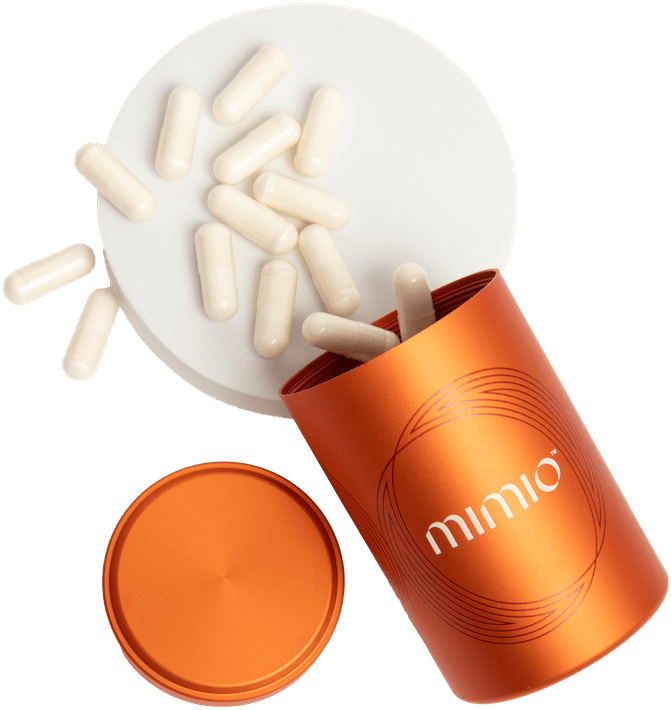
While astaxanthin is powerful, it addresses just one piece of the longevity puzzle: oxidative stress. Mimio, on the other hand, is a biomimetic supplement designed to mimic the metabolome and effects of a 36 hour fast, activating multiple longevity pathways simultaneously, without skipping meals
How Mimio complements astaxanthin:
-
Autophagy & Mitophagy Activation: Clears damaged cells and mitochondria.¹²
-
NAD+ Support: Restores energy metabolism essential for mitochondrial function.¹³
-
Anti-Inflammatory Effects: Addresses systemic inflammation at the cellular level.⁴
-
Metabolic Flexibility: Improves energy efficiency and adaptability.
Together, astaxanthin and Mimio create a synergistic approach that protects cells from oxidative stress while promoting renewal and repair.
Ready to support your longevity? Check out Mimio Biomimetic Cell Care.
Comparing Astaxanthin and Mimio
|
Compound |
Primary Action |
Longevity Benefits |
Limitations |
|
Astaxanthin |
Potent antioxidant, mitochondrial membrane protection |
Reduces ROS, protects cells from oxidative aging |
Limited to antioxidant pathways |
|
Mimio |
Biomimics 36-hour fasting metabolome |
Activates autophagy, NAD+ support, reduces inflammation |
Requires daily supplementation |
This synergy highlights why combining natural compounds like astaxanthin with biomimetic approaches can provide more comprehensive longevity support.
Lifestyle Synergies with Astaxanthin
To maximize astaxanthin’s effects, lifestyle practices play a key role:
-
Dietary Sources: Salmon, krill oil, and microalgae are rich in astaxanthin.
-
Exercise: Regular activity boosts mitochondrial resilience and complements antioxidant defenses.
-
Fasting or Mimio: Engaging fasting biology helps multiply the benefits of astaxanthin.
By combining dietary antioxidants with metabolic interventions, you create a holistic foundation for lifespan extension.
Unlocking Astaxanthin’s Longevity Potential
Astaxanthin is more than just a supplement. Astaxanthin is a powerful natural compound with the ability to protect cells, enhance mitochondrial health, and potentially contribute to lifespan extension. While it cannot replace broader interventions like fasting biology, its synergy with biomimetic solutions like Mimio offers a multi-pronged approach to healthy aging.
For anyone seeking to support astaxanthin lifespan extension, combining this potent antioxidant with fasting-mimicking strategies may represent one of the most effective ways to extend both healthspan and lifespan.
Begin your journey toward cellular longevity: Explore Mimio Biomimetic Cell Care.
References
-
Guerin, M., et al. (2003). Haematococcus astaxanthin: Applications for human health and nutrition. Trends in Biotechnology.
-
Naguib, Y. M. (2000). Antioxidant activities of astaxanthin and related carotenoids. Journal of Agricultural and Food Chemistry.
-
Ambati, R. R., et al. (2014). Astaxanthin: Sources, extraction, stability, biological activities and its commercial applications. Marine Drugs.
-
Fassett, R. G., & Coombes, J. S. (2011). Astaxanthin, oxidative stress, and inflammation. Journal of Natural Products.
-
Finkel, T., & Holbrook, N. J. (2000). Oxidants, oxidative stress, and the biology of ageing. Nature.
-
Wolf, A. M., et al. (2010). Astaxanthin protects mitochondrial function. Journal of Nutrition and Metabolism.
-
Hussein, G., et al. (2006). Antioxidant and anti-aging activities of astaxanthin. Carotenoid Science.
-
Tominaga, K., et al. (2012). Cosmetic benefits of astaxanthin on human skin. Journal of Clinical Biochemistry and Nutrition.
-
Satoh, A., et al. (2009). Astaxanthin supplementation improves cognitive function in middle-aged and elderly individuals. Journal of Clinical Biochemistry and Nutrition.
-
Yoshida, H., et al. (2010). Astaxanthin improves cardiovascular health in humans. Atherosclerosis.
-
Earnest, C. P., et al. (2011). Effect of astaxanthin supplementation on muscle performance and recovery. International Journal of Sports Medicine.
-
Madeo, F., et al. (2019). Mitophagy and cellular longevity. Nature Reviews Molecular Cell Biology.
Verdin, E. (2015). NAD+ in aging, metabolism, and neurodegeneration. Science.