The dream of immortality has fascinated humanity for centuries. While humans inevitably age, some animals display traits of biological immortality, which is a state where they show little to no signs of aging, or can even reverse their aging process entirely. Studying these extraordinary creatures provides unique insights into how aging works, and how we might extend human healthspan.
This article explores examples of biological immortality in animals, the mechanisms that underlie their resilience, and how natural interventions, including biomimetic supplements like Mimio, can help us apply those lessons to human longevity.
What Is Biological Immortality?
Biological immortality refers to organisms that do not exhibit typical signs of aging or senescence. Instead of experiencing progressive decline, these species can maintain vitality indefinitely under the right conditions.¹ While true immortality is rare, several animals demonstrate remarkable resistance to aging and age-related disease.
Examples of Animals with Immortal or Near-Immortal Traits
The Immortal Jellyfish (Turritopsis dohrnii)
Known as the “immortal jellyfish,” this small marine creature can revert its cells back to a juvenile state, effectively restarting its life cycle.² Through cellular transdifferentiation, it transforms adult cells into stem-like cells, creating a biological reset button.
Lobsters
Lobsters defy expectations by continuing to grow, reproduce, and maintain fertility throughout their lives.³ They possess unusually high levels of the enzyme telomerase, which continuously repairs their telomeres, which are the protective caps at the ends of DNA that normally shorten with age.
Naked Mole Rats
These small rodents live up to 30 years, which is an extraordinarily long life for their size, and show resistance to cancer, neurodegeneration, and cardiovascular decline.⁴ Their cellular membranes and DNA repair systems appear to protect them from age-related damage.
Hydra
Hydra, a freshwater polyp, reproduces asexually and has remarkable regenerative abilities.⁵ Under favorable conditions, they appear to bypass aging altogether by maintaining active stem cell populations indefinitely.
Sea Urchins and Negligible Senescence
Another fascinating case of longevity is the sea urchin, some species of which show negligible senescence, meaning they do not exhibit measurable functional decline with age.¹² They maintain fertility and regenerative capacity for decades, with certain deep-sea species living well beyond 100 years. Researchers attribute this resilience to robust DNA repair mechanisms, active stem cell populations, and resistance to oxidative damage. Studying sea urchins highlights how even “simple” organisms have evolved powerful defenses against aging.
Mechanisms of Biological Immortality
While the mechanisms vary, animals with biological immortality share common traits:
-
Efficient Cellular Repair: Enhanced DNA repair and protection from oxidative stress.⁶
-
Telomere Maintenance: Some animals, like lobsters, sustain telomere length, preserving cellular youth.³
-
Stem Cell Renewal: Continuous or reactivated stem cells support regeneration.²
-
Resistance to Disease: Naked mole rats exhibit unique resistance to cancer and neurodegeneration.⁴
These adaptations highlight pathways that overlap with human longevity research.
The Role of Proteostasis in Animal Longevity
In addition to DNA repair and telomere maintenance, proteostasis—the balance of protein synthesis, folding, and degradation—is another critical factor in animal longevity. Animals like naked mole rats exhibit enhanced proteostasis, preventing the buildup of damaged proteins that drive aging.¹³ In humans, loss of proteostasis is linked to neurodegenerative diseases such as Alzheimer’s and Parkinson’s. Supporting proteostasis through lifestyle, fasting, and biomimetic strategies is emerging as a key focus in longevity science.
What Humans Can Learn from Immortal Animals
Studying biological immortality in animals has revealed targets for human longevity research:
-
Telomerase Activation: Could help preserve telomere length in humans, though uncontrolled activation raises cancer risks.
-
Stem Cell Therapies: Inspired by jellyfish and hydra, regenerative medicine aims to renew tissues through stem cell activation.⁷
-
DNA Repair Enhancement: Mimicking the protective mechanisms of naked mole rats may reduce age-related decline.⁶
While humans cannot achieve true biological immortality, these discoveries guide the development of interventions that extend healthspan, which is quantified as the years of healthy, functional life.
The Role of Fasting Biology in Cellular Renewal
Interestingly, many of the mechanisms seen in biologically immortal animals, such as cellular repair, regeneration, and resilience, are also triggered in humans during fasting. Extended fasting stimulates autophagy, mitophagy, and metabolic flexibility, helping to clear damaged cells and promote renewal.⁸
While humans cannot revert to a juvenile state like the immortal jellyfish, fasting biology provides a way to mimic some of these processes naturally.
Mimio: Biomimetic Support for Human Longevity
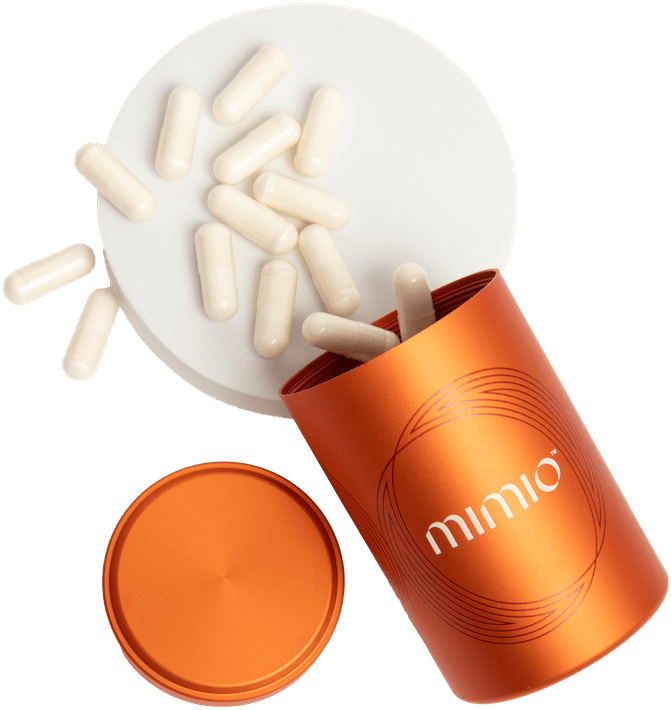
Mimio is the world’s first biomimetic supplement designed from the metabolome of a 36-hour fast. By replicating fasting biology, it activates the same cellular renewal pathways that promote resilience in animals known for extraordinary longevity.
How Mimio supports cellular renewal:
-
Autophagy Activation: Clears out damaged cells for healthier regeneration.⁹
-
Mitochondrial Support: Improves energy production and resilience.¹⁰
-
Inflammation Reduction: Helps lower inflammaging, a driver of human aging.¹¹
-
Metabolic Flexibility: Allows cells to adapt more efficiently to energy demands.
Support your own longevity journey: Explore Mimio Biomimetic Cell Care.
Comparing Nature’s Longevity Strategies and Human Interventions
|
Animal |
Mechanism of Resilience |
Human Equivalent Strategy |
|
Immortal Jellyfish |
Cellular reprogramming, stem cell reset |
Stem cell therapies, regenerative medicine |
|
Lobsters |
High telomerase activity, ongoing fertility |
Telomere research, telomerase modulation |
|
Naked Mole Rats |
Cancer resistance, strong DNA repair |
Cancer prevention strategies, DNA repair support |
|
Hydra |
Continuous stem cell renewal |
Stem cell-based therapies, fasting-induced autophagy |
|
Humans (Mimio) |
Biomimetic fasting pathways |
Autophagy, mitophagy, NAD+ support |
This comparison underscores how nature inspires innovations for human longevity.
Why Humans Can’t Be Biologically Immortal, but Can Live Longer
Despite the remarkable adaptations of jellyfish, hydra, and naked mole rats, humans cannot achieve true biological immortality. Our complexity, environmental exposures, and evolutionary trade-offs make indefinite survival impossible. However, what is achievable is lifespan extension and improved healthspan. By learning from nature and applying interventions like fasting, NAD+ support, and biomimetic supplements such as Mimio, we can slow biological decline and dramatically improve the quality of aging. This perspective shifts the goal from immortality to practical longevity, where health and vitality are preserved for as long as possible.
Biological Immortality and Human Longevity
While humans may never achieve biological immortality in animals, the lessons from these creatures illuminate the pathways that matter most for longevity. From DNA repair to telomere maintenance and stem cell renewal, these mechanisms point toward strategies we can apply through diet, lifestyle, and biomimetic supplementation.
Mimio bridges the gap by making fasting biology accessible, helping activate many of the same cellular pathways that immortal species use to thrive.
Begin your own path toward resilience: Discover Mimio Biomimetic Cell Care.
References
-
López-Otín, C., et al. (2013). The hallmarks of aging. Cell.
-
Piraino, S., et al. (1996). Reversing the life cycle: Regeneration in Turritopsis nutricula. Biological Bulletin.
-
Klapper, W., et al. (1998). Telomerase activity in lobsters. FEBS Letters.
-
Buffenstein, R. (2008). Negligible senescence in the longest living rodent, the naked mole-rat. Journal of Comparative Physiology B.
-
Martínez, D. E. (1998). Mortality patterns suggest lack of senescence in hydra. Experimental Gerontology.
-
Gorbunova, V., & Seluanov, A. (2009). Coevolution of telomerase activity and body mass in mammals: From mice to beavers. Mechanisms of Ageing and Development.
-
Ocampo, A., et al. (2016). In vivo amelioration of age-associated hallmarks by partial reprogramming. Cell.
-
Longo, V. D., & Panda, S. (2016). Fasting, circadian rhythms, and healthspan. Cell Metabolism.
-
Madeo, F., et al. (2019). Autophagy and cellular longevity. Nature Reviews Molecular Cell Biology.
-
Verdin, E. (2015). NAD+ in aging, metabolism, and neurodegeneration. Science.
-
Franceschi, C., & Campisi, J. (2014). Chronic inflammation and its role in age-associated disease. Journals of Gerontology.
-
Ebert, T. A. (2008). Longevity and lack of senescence in the red sea urchin. Experimental Gerontology.
-
Taylor, R. C., & Dillin, A. (2011). Aging as an event of proteostasis collapse. Cold Spring Harbor Perspectives in Biology.