The science of longevity is advancing at a breathtaking pace. What was once speculative is now entering clinical trials, with therapies targeting aging at its cellular roots. In 2025, cutting-edge anti-aging therapies extend far beyond traditional lifestyle advice, offering promising strategies to slow, or even reverse, aspects of aging.
But which interventions are truly transformative, and how do they compare to natural strategies like fasting or biomimetic supplements such as Mimio? This article explores the most innovative anti-aging therapies of today, and how they fit into the bigger picture of healthy lifespan extension.
The Hallmarks of Aging: Targets for Therapy
Aging science now revolves around the hallmarks of aging, nine key processes that drive cellular decline.¹ These include:
-
Genomic instability (DNA damage)
-
Telomere attrition
-
Epigenetic alterations
-
Loss of proteostasis
-
Deregulated nutrient sensing
-
Mitochondrial dysfunction
-
Cellular senescence
-
Stem cell exhaustion
-
Altered intercellular communication
Most cutting-edge anti-aging therapies aim to slow, repair, or reverse one or more of these hallmarks.
Gene Editing and Epigenetic Reprogramming
One of the most revolutionary developments is the use of gene editing and epigenetic reprogramming:
-
CRISPR-Based Therapies: Targeting age-related mutations, correcting DNA errors, and potentially preventing diseases at the genetic level.²
-
Yamanaka Factors: Epigenetic reprogramming techniques partially reset cells to a more youthful state, without erasing their identity.³
Though still experimental, these strategies show promise in rejuvenating tissues and extending healthspan in animal models.
Senolytics: Clearing Out “Zombie Cells”
Senescent cells, often called “zombie cells,” accumulate with age and secrete inflammatory molecules that damage surrounding tissues. Senolytic therapies are designed to selectively destroy these dysfunctional cells - when left behind, can lead to joint pain, discomfort, and more.⁴
-
Compounds like dasatinib and quercetin have shown senolytic effects in animal studies.⁵
-
Early clinical trials suggest potential in improving frailty and cardiovascular health.
By clearing senescent cells, senolytics aim to rejuvenate tissues and reduce chronic inflammation, one of aging’s biggest accelerators.
Cellular Therapies and Stem Cell Revitalization
Aging depletes the body’s stem cell reserves, limiting regeneration. In response, scientists are exploring:
-
Stem Cell Transplants: Infusing healthy stem cells to replenish aging tissues.⁶
-
Exosome Therapy: Using vesicles released by stem cells to deliver rejuvenating signals.⁷
While logistically challenging, these therapies hold potential for regenerative medicine and anti-aging applications.
Mitochondrial Therapies: Restoring the Powerhouses of the Cell
Mitochondria are central to energy and longevity. Dysfunctional mitochondria drive fatigue, inflammation, and degenerative diseases. Cutting-edge strategies include:
-
Mitochondrial Transplants: Experimental techniques moving healthy mitochondria into damaged cells.⁸
-
NAD+ Boosters: Compounds like nicotinamide riboside (NR) and nicotinamide mononucleotide (NMN) that replenish mitochondrial fuel.⁹
-
Mitophagy Enhancers: Drugs and supplements that encourage recycling of damaged mitochondria.¹⁰
These therapies highlight the importance of mitochondrial renewal for anti-aging.
Biomimetic Supplements: Harnessing Fasting Biology
Among all the interventions, fasting remains one of the most proven longevity strategies. Extended fasting activates autophagy, enhances mitochondrial function, reduces inflammation, and improves metabolic flexibility - all major components of age-related processes.¹¹
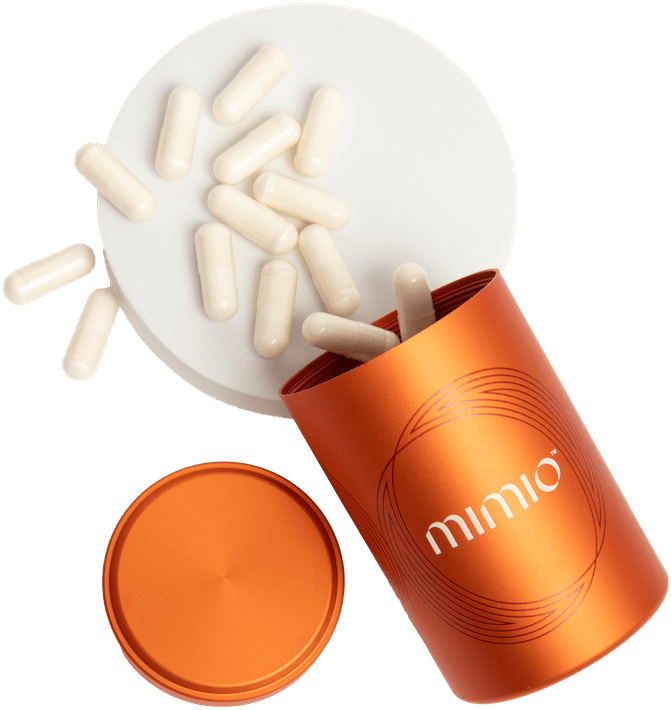
But consistently fasting for 36+ hours is challenging (and for some, may not be healthy or feasible). That’s where Mimio comes in. Built from the metabolome of a 36-hour fast, Mimio biomimics fasting’s regenerative biology in supplement form to relay the same benefits of an extended fasting state, without skipping meals
-
Activates Autophagy & Mitophagy: Cellular cleanup and mitochondrial renewal.¹²
-
Supports NAD+ Metabolism: Key for energy production and cellular resilience.⁹
-
Reduces Inflammation: Mimio addresses “inflammaging” naturally.¹³
-
Enhances Metabolic Flexibility: Helps cells switch between fuel sources efficiently.
Experience fasting biology without the fast: Explore Mimio Biomimetic Cell Care.
Comparing Therapies: From Labs to Lifestyle
|
Therapy |
Mechanism |
Status in 2025 |
Pros |
Cons |
|
Gene Editing |
DNA repair, mutation correction |
Preclinical/early trials |
Potential for disease prevention |
Ethical concerns, safety risks |
|
Epigenetic Reprogramming |
Resetting cellular age |
Preclinical |
Tissue rejuvenation potential |
Cancer risk, complexity |
|
Senolytics |
Removal of senescent cells |
Early human trials |
Reduces inflammation |
Side effects, specificity challenges |
|
Stem Cell Therapy |
Replenishes regenerative capacity |
Clinical use in some conditions |
Strong regenerative potential |
Expensive, regulatory hurdles |
|
Mitochondrial Therapies |
Renew energy production |
Early trials |
Improves vitality |
Delivery and safety issues |
|
Mimio (Biomimetic Supplement) |
Mimics fasting metabolome |
Available today |
Safe, daily longevity support |
Requires consistent use |
This comparison shows how biomimetic supplements like Mimio provide accessible, everyday support while cutting-edge therapies continue advancing in research.
Why Fasting Biology Remains the Common Thread
A striking pattern across these therapies is their overlap with fasting biology. Whether it’s autophagy from senolytics, mitochondrial renewal from NAD+ boosters, or epigenetic resets—many interventions echo the benefits of caloric restriction.
Mimio captures this biology in a practical form, empowering individuals to leverage one of the most reliable longevity strategies without extreme fasting protocols.
Learn more: The 36-Hour Fast Benefits Guide.
The Future of Anti-Aging in 2025 and beyond
In 2025, anti-aging science is more exciting than ever. From genetic reprogramming to senolytics and mitochondrial transplants, therapies are moving from the lab into clinical trials. These cutting-edge strategies hold potential to redefine healthspan and lifespan.
While we wait for more data on these advanced interventions, practical solutions already exist. Mimio, as a biomimetic fasting supplement, provides a safe, daily way to activate the same regenerative pathways driving many of these therapies.
By combining cutting-edge science with lifestyle strategies, we can move beyond the basics and toward a future where longer life also means better life.
Ready to explore biomimetic longevity? Discover Mimio Biomimetic Cell Care.
References
-
López-Otín, C., et al. (2013). The hallmarks of aging. Cell.
-
Komor, A. C., et al. (2017). CRISPR-based technologies for gene editing. Nature Reviews Genetics.
-
Ocampo, A., et al. (2016). In vivo amelioration of age-associated hallmarks by partial reprogramming. Cell.
-
Childs, B. G., et al. (2017). Senescent cells: an emerging target for diseases of aging. Nature Reviews Drug Discovery.
-
Zhu, Y., et al. (2015). The Achilles’ heel of senescent cells: from transcriptome to senolytic drugs. Aging Cell.
-
Trounson, A., & McDonald, C. (2015). Stem cell therapies in clinical trials: Progress and challenges. Cell Stem Cell.
-
Riazifar, M., et al. (2017). Exosomes and their therapeutic potential. Stem Cells Translational Medicine.
-
McCully, J. D., et al. (2017). Mitochondrial transplantation for therapeutic use. Journal of Thoracic and Cardiovascular Surgery.
-
Verdin, E. (2015). NAD+ in aging, metabolism, and neurodegeneration. Science.
-
Madeo, F., et al. (2019). Mitophagy and cellular longevity. Nature Reviews Molecular Cell Biology.
-
Longo, V. D., & Panda, S. (2016). Fasting, circadian rhythms, and healthspan. Cell Metabolism.
-
Eisenberg, T., et al. (2009). Induction of autophagy by spermidine promotes longevity. Nature Cell Biology.
-
Franceschi, C., & Campisi, J. (2014). Chronic inflammation (inflammaging) and its role in age-associated disease. Journals of Gerontology.