Metformin, a common diabetes medication, has become one of the most talked-about drugs in the longevity field. Originally prescribed to regulate blood sugar, metformin has gained attention for its potential to extend healthspan and slow aging. But here’s the catch: metformin is a pharmaceutical drug with side effects, and it’s not approved for healthy people who simply want to live longer.
So, is there a natural alternative to metformin, which is something that delivers similar cellular benefits without the prescription or potential risks? That’s where Mimio enters the conversation.
This article dives into how metformin works, why it’s being studied for longevity, and how Mimio’s biomimetic approach may offer a safe, natural path to similar benefits.
Why Metformin Is Linked to Longevity
Metformin has been used for decades to treat type 2 diabetes. Beyond controlling blood sugar, research suggests it influences deeper biological processes tied to aging. Scientists are investigating its potential to:
-
Activate AMPK: Metformin activates AMP-activated protein kinase (AMPK), a cellular energy sensor that enhances fat burning and reduces inflammation.¹
-
Improve Insulin Sensitivity: By lowering insulin resistance, metformin helps regulate blood sugar and metabolic health.²
-
Reduce Inflammation and Oxidative Stress: Chronic low-grade inflammation is a hallmark of aging, and metformin appears to dampen it.³
-
Mimic Caloric Restriction: Metformin shares similarities with caloric restriction, a proven intervention to extend lifespan in multiple species.⁴
It’s no wonder researchers launched the TAME Trial (Targeting Aging with Metformin) to test whether metformin could delay age-related diseases in humans.
But here’s the challenge: metformin isn’t for everyone.
The Downsides of Metformin for Healthy Aging
While metformin shows promise, it comes with important caveats:
-
Gastrointestinal Side Effects: Nausea, diarrhea, and bloating are common complaints.⁵
-
B12 Deficiency: Long-term use may reduce vitamin B12 absorption.⁶
-
Blunted Exercise Benefits: Some studies suggest metformin can interfere with the muscle-building effects of exercise.⁷
-
Prescription Only: It’s not available to healthy people without a medical diagnosis.
For those seeking longevity without prescriptions or side effects, the search for a natural alternative to metformin is growing.
Mimio: A Biomimetic Approach to Longevity
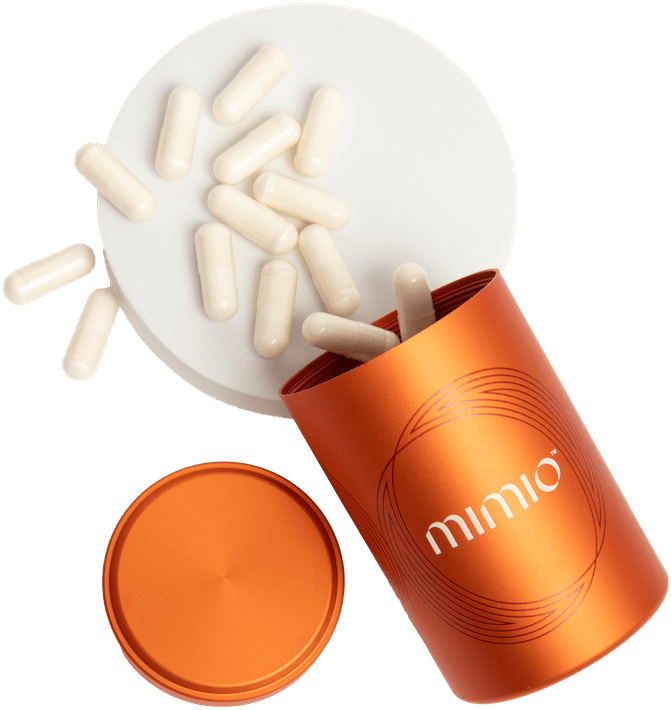
Mimio takes inspiration not from pharmaceuticals but from biology itself. Designed by researchers at UC Davis, Mimio is the world’s first biomimetic supplement built from the metabolic signature of a 36 hour fast. Instead of targeting one pathway like metformin, Mimio replicates a fasting state across multiple pathways.
Here’s how Mimio compares to metformin:
|
Pathway |
Metformin |
Mimio |
|
AMPK Activation |
Yes |
Yes (fasting pathways naturally activate AMPK) |
|
Autophagy (cellular cleanup) |
Mild |
Strong (mimics extended fasting response) |
|
Insulin Sensitivity |
Improves |
Supports via fasting mimicry |
|
Inflammation Reduction |
Yes |
Yes |
|
Mitochondrial Health |
Some evidence |
Stronger effect via fasting mimicry |
The key difference? Mimio is designed for healthy people who want the regenerative effects of fasting without skipping meals and without pharmaceutical risks.
Curious about fasting’s benefits? Check out our guide: 10 Benefits of a 36-Hour Fast.
How Mimio Works on a Cellular Level
Mimio contains compounds that appear naturally in the body during extended fasting. Together, they activate longevity pathways similar to caloric restriction and metformin:
-
Polyamines: Enhance DNA stability and promote autophagy.⁸
-
Spermidine: Extends lifespan in multiple organisms by activating cellular cleanup pathways.⁹
-
Nicotinamide (B3): Supports NAD+ metabolism, fueling mitochondrial energy.¹⁰
-
Fasting Metabolites: Replicate the biochemical environment of a prolonged fast.
This makes Mimio a powerful natural alternative to metformin that’s working with your body instead of overriding it.
The Benefits of Mimio for Longevity
Taking Mimio daily may help you:
-
Enhance Autophagy: Clear out damaged cells and proteins for healthier regeneration.¹¹
-
Support Energy and Focus: Improve mitochondrial efficiency for sustained energy.
-
Reduce Inflammation: Lower chronic inflammation linked to aging.
-
Improve Metabolic Health: Mimic fasting’s effects on insulin sensitivity and fat metabolism.
-
Promote Healthy Aging: Activate the same longevity pathways that researchers are studying in metformin trials.
Unlike metformin, Mimio is designed for anyone who wants to feel sharper, stronger, and more resilient with age.
Want to try it yourself? Explore Mimio Biomimetic Cell Care here.
Who Should Consider Mimio?
Mimio is particularly valuable for:
-
Healthy agers who want to maintain vitality.
-
Biohackers seeking cutting-edge science-backed tools.
-
People who fast and want to amplify their results.
-
Those who can’t fast due to medical or lifestyle constraints but still want fasting benefits.
Unlike metformin, which is restricted to prescriptions, Mimio is designed to be safe and accessible.
Lifestyle Synergy: Mimio Plus Healthy Habits
For best results, Mimio works alongside proven longevity practices:
-
Intermittent Fasting: Extend Mimio’s fasting-mimicking benefits.¹²
-
Exercise: Combine cellular cleanup with stronger cardiovascular and muscular health.
-
Nutrient-Rich Diet: Fuel your cells with antioxidants and healthy fats.
-
Sleep Optimization: Repair processes peak during deep sleep.¹³
Think of Mimio as the accelerator, and healthy lifestyle habits are the fuel.
A Natural Alternative to Metformin
Metformin may remain a promising pharmaceutical for aging, but it comes with baggage. For those who want the same cellular benefits without prescriptions, Mimio provides a natural alternative to metformin designed from biology itself.
By mimicking the regenerative power of fasting, Mimio activates the very pathways scientists believe are key to longer, healthier living. It’s not about replacing medicine—it’s about working with your biology to support longevity naturally.
References
-
Zhou, G., et al. (2001). Role of AMP-activated protein kinase in mechanism of metformin action. Journal of Clinical Investigation.
-
Viollet, B., et al. (2012). Cellular and molecular mechanisms of metformin: an overview. Clinical Science.
-
Cameron, A. R., et al. (2016). Anti-inflammatory effects of metformin irrespective of diabetes status. Frontiers in Endocrinology.
-
Barzilai, N., et al. (2016). Metformin as a tool to target aging. Cell Metabolism.
-
McCreight, L. J., et al. (2016). Metformin and the gastrointestinal tract. Diabetologia.
-
Ting, R. Z., et al. (2006). Risk of vitamin B12 deficiency with metformin use. Archives of Internal Medicine.
-
Konopka, A. R., et al. (2019). Metformin blunts the muscle hypertrophic response to resistance training. Aging Cell.
-
Madeo, F., et al. (2018). Polyamines in aging and disease. Nature Reviews Molecular Cell Biology.
-
Eisenberg, T., et al. (2009). Induction of autophagy by spermidine promotes longevity. Nature Cell Biology.
-
Verdin, E. (2015). NAD+ in aging, metabolism, and neurodegeneration. Science.
-
Mizushima, N., & Komatsu, M. (2011). Autophagy: renovation of cells and tissues. Cell.
-
Longo, V. D., & Panda, S. (2016). Fasting, circadian rhythms, and time-restricted feeding in healthy lifespan. Cell Metabolism.
Irwin, M. R. (2015). Why sleep is important for health: A psychoneuroimmunology perspective. Annual Review of Psychology.