If you’ve been exploring fasting, cellular repair, or the science of longevity, you’ve likely come across autophagy, which is the self-cleaning process your cells use to remove debris and damaged components. But there’s an even more specialized cellular clean-up crew that’s starting to steal the spotlight in longevity science: mitophagy.
Mitophagy is the targeted recycling of damaged mitochondria, the tiny powerhouses inside your cells that generate the energy you need to live, think, move, and thrive. And while autophagy is the broader recycling system, mitophagy is where many of the biggest gains in healthy aging appear to happen.
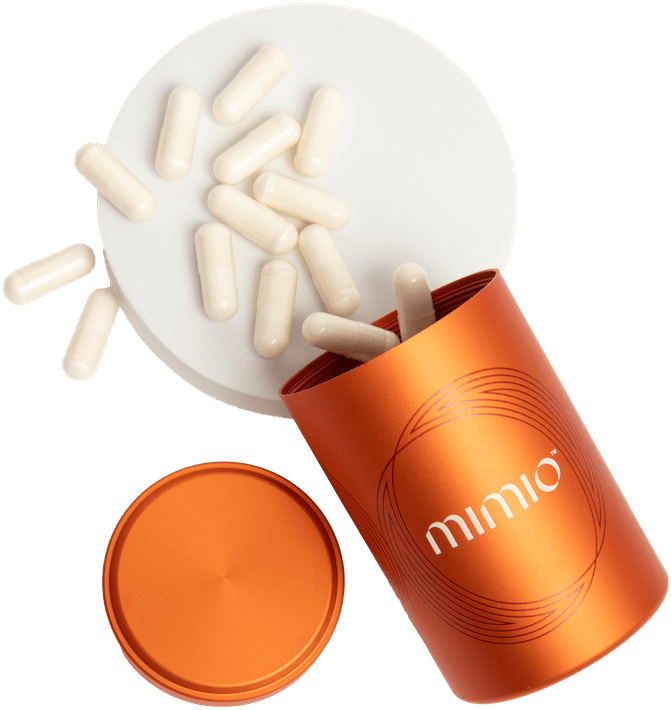
This emerging research is helping explain why strategies like fasting, exercise, and mitochondrial-supportive nutrition can have such powerful effects on metabolism, energy, cognitive function, inflammation, and longevity. It’s also one of the core biological programs activated during a 36 hour fast and replicated through biomimetic innovations like Mimio Biomimetic Cell Care.
Today, we’re diving deep into the science of mitophagy in longevity, how it differs from standard autophagy, and how you can activate it naturally.
What Is Mitophagy and How Is It Different From Autophagy?
Autophagy is your body’s general recycling program. It breaks down worn-out proteins, cellular junk, and dysfunctional organelles so your body can reuse their raw materials.
Mitophagy is autophagy’s more selective sibling. Instead of clearing away general debris, mitophagy zeroes in on faulty mitochondria.
Why does that matter?
Mitochondria produce up to 90 percent of the energy your cells use. When they’re functioning well, you feel it in the form of stable energy, sharper cognition, improved metabolic balance, and better physical performance. When they’re not… well, you feel that too. Low energy, brain fog, metabolic challenges, inflammation, and accelerated aging are all linked to mitochondrial dysfunction¹.
Mitophagy removes those dysfunctional mitochondria, allowing new, more efficient ones to take their place, which is a process called mitochondrial biogenesis². Think of it as upgrading old batteries for new ones so your cells can function at full power.
This makes mitophagy one of the most important drivers of healthy aging.
Why Mitophagy Matters for Longevity
The science around mitophagy and longevity is moving fast, but the findings already paint a clear picture: when mitophagy runs well, you age well.
Here’s why:
1. Cleaner Mitochondria = Better Energy Production
Mitochondria naturally accumulate damage from stress, inflammation, and normal metabolic wear-and-tear. If these damaged mitochondria are not removed, they continue generating reactive oxygen species (ROS), contributing to oxidative stress³.
Mitophagy clears them out, allowing healthier mitochondria to dominate your energy production.
2. Lower Inflammation
Damaged mitochondria leak inflammatory signals, which can trigger a chronic, low-grade immune response often called inflammaging.
Mitophagy helps stop the problem at the source⁴.
3. Improved Metabolic Health
Healthy mitochondria help regulate:
-
Blood sugar balance
-
Fat oxidation
-
Insulin sensitivity
-
Cellular energy efficiency
All of these are closely linked to healthspan and lifespan.
4. Enhanced Stress Resistance
Cells with efficient mitophagy respond better to physical, metabolic, and oxidative stress. This is one reason why fasting and exercise — two powerful mitophagy activators — are so strongly associated with longer, healthier lives.
5. Support for Brain Health
Neurons are heavily dependent on mitochondrial energy. Impaired mitophagy is associated with age-related cognitive decline. Optimizing mitophagy supports memory, focus, neuroplasticity, and overall brain resilience⁵.
Mitophagy vs. Autophagy: Why the Distinction Matters
Autophagy helps keep your cells clean. Mitophagy helps keep your cells powered.
Both matter. But mitophagy plays an especially important role in:
-
Longevity
-
Energy levels
-
Mood regulation
-
Metabolic flexibility
-
Exercise performance
-
Cognitive vitality
Emerging longevity research suggests that while autophagy helps maintain cell health, mitophagy may be one of the key levers behind exceptional healthspan.
Autophagy is housekeeping.
Mitophagy is upgrading the electrical system.
What Activates Mitophagy? The Big Three
1. Fasting
Extended fasting windows are one of the most powerful triggers of mitophagy. During a 36 hour fast, your body depletes glycogen, shifts into fat metabolism, increases ketone levels, and activates the mitochondrial quality-control pathways that selectively remove damaged mitochondria.
This is part of why so many people report:
-
Sharper thinking
-
Stable energy
-
Reduced inflammation
-
Better metabolic balance during and after extended fasts.
If you want to learn more about how cellular cleanup peaks deep into a fasting window, check out this breakdown of 36 hour fasting benefits here:
2. Exercise
Exercise stresses your mitochondria in the best possible way. This “good stress” signals your cells to remove damaged mitochondria and generate fresh ones.
Endurance exercise and high-intensity interval training (HIIT) are especially effective at activating mitophagy⁶.
3. Biomimetic Nutritional Support
Your cells evolved to respond to metabolic cues like fasting. Mimio Biomimetic Cell Care is designed to replicate the signaling environment of a 36 hour fast, activating key longevity pathways, including those affecting mitochondrial maintenance and repair.
As mitochondria regenerate more efficiently, users often report effects consistent with improved mitochondrial function such as:
-
Better focus
-
Smoother energy
-
Improved metabolic resilience
You can explore the biomimetic formulation here: https://mimiohealth.com/products/mimio-biomimetic-cell-care
How Mitophagy Impacts Different Areas of Health
Energy and Metabolism
Healthy mitochondria mean more steady, reliable energy. When mitophagy is active, your cells become more metabolically flexible — able to switch between glucose and fat burning with ease.
Longevity and Healthy Aging
Longevity researchers now view mitochondrial quality as a core hallmark of healthy aging⁷. The clearer and more efficient your mitochondrial network, the slower your biological aging tends to progress.
Brain Health and Cognitive Function
Your brain eats up 20 percent of your total energy. Efficient mitophagy supports learning, memory, mood, and long-term cognitive resilience.
Immune Balance
Damaged mitochondria release mitochondrial DNA fragments that can trigger chronic inflammation. Mitophagy reduces this immune overactivation.
Exercise Performance and Recovery
Mitophagy allows your body to replace older, inefficient mitochondria with new ones that produce ATP more efficiently. The result: better endurance, less fatigue, faster recovery.
How to Support Mitophagy Naturally
Here are simple ways to boost mitochondrial cleanup and regeneration:
1. Extend Your Fasting Windows
Mitophagy activation peaks during longer fasting windows. If you're exploring deeper fasts, the science behind 36 hour fasting benefits is a great place to start.
2. Move Your Body
Aim for a mix of:
-
Steady-state cardio
-
Resistance training
-
Intervals or short bursts of intensity
This keeps your mitochondrial network strong and responsive.
3. Support Mitochondrial Nutrient Pathways
Mitochondria rely on nutrients like:
-
B-vitamins
-
Magnesium
-
Omega-3s
-
Polyphenols
-
Antioxidants
A nutrient-rich diet promotes better mitochondrial repair.
4. Reduce Chronic Stress
Excess cortisol and inflammation impair mitophagy. Techniques like breathwork, mindfulness, and regular movement help keep stress in check.
5. Use Biomimetic Support
Mimio Biomimetic Cell Care is designed to activate the same cellular programs your body uses during fasting, including mitochondrial repair pathways.
The Future of Longevity: Think Mitochondria First
As longevity research evolves, one message is becoming clear: healthy mitochondria are essential for a long, energized, resilient life. Autophagy cleans up the cell. Mitophagy keeps the engine running.
Optimizing this process through fasting, exercise, diet, and biomimetic support isn’t just about living longer. It’s about living better — with clearer thinking, stronger metabolism, and the kind of energy that carries you through the day effortlessly.
Your cells are designed for this. Mitophagy simply helps unlock what’s already programmed within you.
References
-
Sun, N. et al. Mitochondrial dysfunction in aging and disease. Cell Metabolism.
-
Lopez-Otín, C. et al. The hallmarks of aging. Cell.
-
Shadel, G. S., & Horvath, T. L. Mitochondrial ROS signaling. Journal of Biological Chemistry.
-
Green, D. R. et al. Mitochondria and inflammation. Immunity.
-
Pickrell, A. M., & Youle, R. J. The roles of PINK1, Parkin, and mitochondrial fidelity. Neuron.
-
Laker, R. C. et al. Exercise-induced mitophagy. Nature Communications.
-
Hou, Y. et al. Ageing as a mitochondrial disorder. Nature Reviews Molecular Cell Biology.