What Is Nicotinamide? A Complete Guide to This Essential NAD+ Precursor
You've probably heard about the importance of B vitamins for energy and metabolism. But there's one form of vitamin B3 that's been making waves in longevity research, dermatology, and cellular health circles: nicotinamide. Also known as niacinamide, this water-soluble vitamin plays a far more sophisticated role in your body than simply preventing nutritional deficiencies.
From supporting DNA repair to boosting NAD+ levels—a molecule that declines with age and is critical for cellular function—nicotinamide sits at the intersection of everyday nutrition and cutting-edge longevity science. Whether you're interested in skin health, brain function, or cellular aging, understanding what nicotinamide does and how to optimize your intake could be one of the most impactful decisions you make for your long-term health.
In this comprehensive guide, we'll explore what nicotinamide is, how it differs from other forms of vitamin B3, its evidence-based benefits, proper dosing, and how it connects to the broader picture of healthy aging and longevity.
What Is Nicotinamide? Understanding the Basics
Nicotinamide (also called niacinamide or nicotinic acid amide) is a water-soluble form of vitamin B3. It's found naturally in foods like fish, poultry, eggs, nuts, legumes, and fortified cereals. Your body can also produce nicotinamide by converting tryptophan, an essential amino acid found in protein-rich foods.
At the molecular level, nicotinamide serves as a critical building block for nicotinamide adenine dinucleotide (NAD+), one of the most important coenzymes in human biology. NAD+ is present in every cell of your body and participates in over 500 enzymatic reactions. It's essential for converting food into cellular energy (ATP), repairing damaged DNA, regulating circadian rhythms, and activating longevity-associated proteins called sirtuins.
Without adequate nicotinamide intake, your body cannot maintain optimal NAD+ levels—and declining NAD+ is now recognized as a hallmark of aging. This makes nicotinamide far more than a simple vitamin; it's a foundational molecule for cellular health and longevity.
Nicotinamide vs. Niacin: What's the Difference?
While nicotinamide and niacin (nicotinic acid) are both forms of vitamin B3, they have distinct properties and effects that matter for how you supplement.
Niacin is well-known for causing the "niacin flush" a temporary but often uncomfortable skin flushing, warmth, and tingling caused by vasodilation. This happens because niacin binds to a specific receptor (HM74A/GPR109A) that triggers prostaglandin release. While niacin has been used clinically to improve cholesterol profiles, this flushing side effect limits its tolerability for many people.
Nicotinamide does not cause flushing because it doesn't activate this receptor. This makes it much better tolerated for daily supplementation. However, nicotinamide also doesn't have the same cholesterol-lowering effects as niacin. The trade-off is clear: nicotinamide offers the NAD+-boosting and cellular health benefits without the uncomfortable side effects.
Both forms can be converted to NAD+ in the body, but nicotinamide is the preferred form for those seeking cellular health benefits without cardiovascular-specific effects or flushing.
How Nicotinamide Works: The NAD+ Connection
Understanding nicotinamide requires understanding NAD+ and why this molecule has become a central focus of aging research.
NAD+ serves as a coenzyme in redox reactions, shuttling electrons during the metabolic processes that convert food into cellular energy. But beyond energy production, NAD+ is required for the activity of several enzyme families that directly influence aging and cellular repair. These include sirtuins (which regulate gene expression and stress resistance), PARPs (which repair DNA damage), and CD38 (which influences immune function). You can learn more about how NAD+ precursors support longevity in our detailed guide on NAD+ supplements.
The problem is that NAD+ levels decline significantly with age—by some estimates, as much as 50% between ages 40 and 60. This decline has been linked to reduced energy, impaired DNA repair, increased inflammation, and accelerated cellular aging. By providing the body with nicotinamide, you're supplying the raw material needed to synthesize NAD+ and counteract this age-related decline.
Evidence-Based Benefits of Nicotinamide
Nicotinamide has been studied extensively across multiple health domains. Here's what the research shows:
Skin Health and UV Protection
Perhaps the most robust evidence for nicotinamide comes from dermatology. A landmark Phase 3 clinical trial published in the New England Journal of Medicine found that oral nicotinamide (500mg twice daily) reduced the rate of new nonmelanoma skin cancers by 23% in high-risk individuals. The compound appears to work by enhancing DNA repair in skin cells damaged by UV radiation and reducing UV-induced immunosuppression.
Topical nicotinamide is also widely used in skincare products for its ability to improve skin barrier function, reduce inflammation, minimize pore appearance, and treat acne. Studies show it can reduce acne lesions comparably to topical antibiotics, making it a valuable tool for inflammatory skin conditions.
Cellular Energy and NAD+ Production
As a direct precursor to NAD+, nicotinamide supports mitochondrial function and ATP production—the fundamental currency of cellular energy. This has implications for everything from physical endurance to cognitive performance. When cells have adequate NAD+, they can more efficiently convert nutrients into usable energy and maintain the repair processes that keep them functioning optimally.
This energetic support extends to promoting autophagy the cellular cleanup process that removes damaged proteins and organelles. Autophagy is a critical longevity mechanism, and NAD+-dependent sirtuins play a key role in activating it.
Brain Health and Neuroprotection
Emerging research suggests nicotinamide may have neuroprotective properties. NAD+ is essential for neuronal function and has been shown to protect against age-related cognitive decline in animal models. Clinical studies have explored nicotinamide's potential in conditions ranging from glaucoma (where it improved inner retinal function in a randomized trial) to Alzheimer's disease (where preclinical evidence suggests it may protect against neurodegeneration).
While more human studies are needed, the mechanistic link between NAD+, mitochondrial health, and brain function is well-established.
Anti-Inflammatory and Joint Support
Nicotinamide has documented anti-inflammatory properties. Studies show it can reduce inflammatory cytokines like IL-6, TNF-alpha, and MCP-1 in UV-exposed skin cells. This anti-inflammatory effect extends beyond skin health—preliminary research suggests oral nicotinamide may improve joint flexibility and reduce pain in osteoarthritis patients.
Nicotinamide vs. NMN vs. NR: Comparing NAD+ Precursors
The longevity space has seen growing interest in various NAD+ precursors. Here's how nicotinamide compares to the other popular options:
Nicotinamide: The most affordable and well-studied option with decades of safety data. It can be converted to NAD+ through the salvage pathway. Broadly available in foods and supplements.
Nicotinamide Riboside (NR): A more recent entrant that requires fewer enzymatic steps to convert to NAD+. Well-tolerated but significantly more expensive than nicotinamide.
Nicotinamide Mononucleotide (NMN): Only one step away from NAD+ in the biosynthesis pathway. Popular in the biohacking community but more expensive and with less long-term human safety data than nicotinamide.
The key advantage of nicotinamide is its established safety profile, affordability, and the body's natural familiarity with it. Your cells have been using nicotinamide to produce NAD+ for your entire life—it's not a novel compound.
Food Sources of Nicotinamide
You can obtain nicotinamide from a variety of foods. The richest sources include:
- Poultry: Chicken and turkey breast are excellent sources
- Fish: Tuna, salmon, and anchovies provide high amounts
- Beef: Especially liver and other organ meats
- Eggs: A complete protein source with moderate nicotinamide
- Legumes: Peanuts, lentils, and green peas
- Fortified foods: Many cereals and breads are fortified with niacin/nicotinamide
The Recommended Dietary Allowance (RDA) for niacin equivalents is 16 mg/day for adult men and 14 mg/day for adult women—amounts easily obtained through a balanced diet. However, therapeutic doses used in research studies typically range from 500-1,500 mg/day, which requires supplementation.
Dosage, Safety, and Side Effects
Nicotinamide has an excellent safety profile when used appropriately:
Dietary intake: Doses below 35 mg/day from food and supplements are considered safe for adults.
Therapeutic doses: Studies have used 500-1,500 mg/day with generally good tolerability. The skin cancer prevention trial used 500 mg twice daily.
Upper limit: The European Food Safety Authority has established safety at dosages up to 900-1,500 mg/day in short to medium-term use.
Potential side effects at higher doses may include nausea, stomach upset, headache, dizziness, and—in rare cases with very high doses—liver toxicity. Unlike niacin, nicotinamide does not cause flushing.
Always consult with a healthcare provider before starting high-dose supplementation, especially if you have existing medical conditions.
Drug Interactions and Precautions
While nicotinamide is generally safe, certain interactions warrant caution:
- Carbamazepine: Nicotinamide may increase blood levels of this anticonvulsant medication.
- Blood thinners: Nicotinamide may slow blood clotting; use caution if taking anticoagulants like warfarin.
- Diabetes medications: Nicotinamide may affect blood sugar levels; monitor glucose closely.
- Kidney dialysis: Meta-analyses suggest increased risk of low platelets in dialysis patients using nicotinamide.
If you have a history of cardiovascular disease, liver conditions, or are on multiple medications, consult your healthcare provider before supplementing.
Nicotinamide and Fasting: The Longevity Connection
Here's where nicotinamide becomes particularly interesting from a longevity perspective: your body naturally elevates nicotinamide levels during fasting. This isn't coincidental—it's part of the metabolic shift that occurs when you abstain from food and your cells activate repair and survival pathways. During a 36 hour fast, nicotinamide rises alongside other fasting metabolites, contributing to the cascade of cellular benefits that fasting triggers.
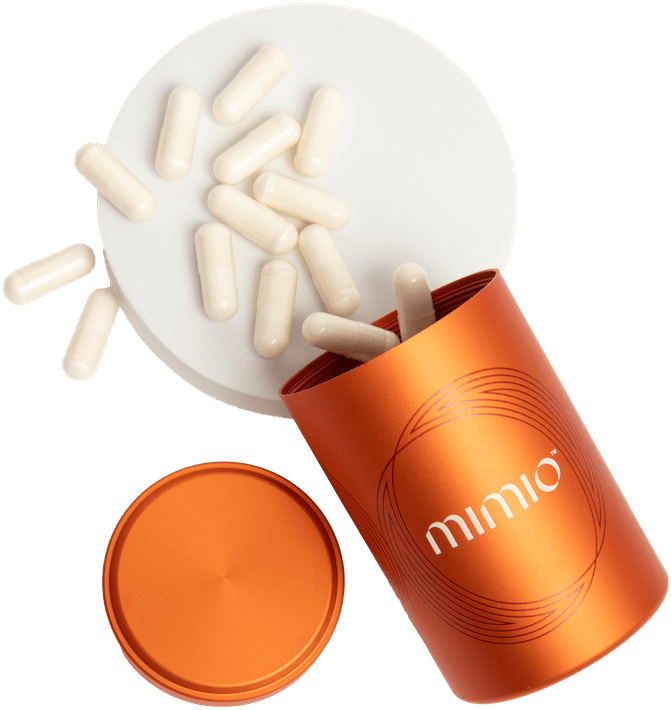
This connection is why nicotinamide is one of four key ingredients in Mimio Biomimetic Cell Care, a supplement designed to recreate the metabolite signature of a 36-hour fast. Research at UC Davis identified the specific molecules that rise during prolonged fasting and found that supplementing them together could activate fasting pathways without requiring actual food deprivation.
By providing nicotinamide alongside spermidine (for autophagy), OEA (for metabolic signaling), and PEA (for cellular recovery), Mimio offers a biomimetic approach to cellular health—one that works with your body's existing biology rather than introducing foreign compounds. This formulation extended lifespan by 96% in animal models, demonstrating the power of fasting metabolites working synergistically.
You can explore more about how fasting activates longevity pathways in our article on the benefits of autophagy, and learn how these mechanisms contribute to your overall healthspan.
Frequently Asked Questions About Nicotinamide
Is nicotinamide the same as niacinamide?
Yes. Nicotinamide and niacinamide are two names for the same compound. "Niacinamide" is more commonly used in skincare products, while "nicotinamide" is the preferred term in scientific and medical literature.
Will nicotinamide cause flushing like niacin?
No. Nicotinamide does not bind to the receptor responsible for niacin-induced flushing. It's well-tolerated even at therapeutic doses.
Can I get enough nicotinamide from food alone?
You can easily meet the RDA (14-16 mg) through diet. However, the therapeutic doses used in research (500-1,500 mg) require supplementation.
How long does it take to see benefits from nicotinamide?
For topical skin benefits, improvements are often seen within 4-8 weeks. For systemic benefits related to NAD+ and cellular health, effects are cumulative and may take several months of consistent use.
Is nicotinamide safe for long-term use?
Nicotinamide has been used safely for decades in medical settings. At doses up to 1,500 mg/day, it's generally well-tolerated for extended periods. However, periodic monitoring with your healthcare provider is advisable for any long-term supplementation regimen.
Can nicotinamide help with pellagra?
Yes. Nicotinamide is an FDA-approved treatment for pellagra, the disease caused by severe niacin deficiency. It's often preferred over niacin for treating pellagra because it doesn't cause flushing.
Final Thoughts
Nicotinamide is far more than a simple B vitamin. As a direct precursor to NAD+—one of the most critical molecules for cellular function—it plays a foundational role in energy production, DNA repair, and the longevity pathways that keep your cells functioning optimally as you age.
The evidence supporting nicotinamide is substantial: reduced skin cancer risk in high-risk individuals, improved skin health, potential neuroprotective effects, and a central role in the metabolic benefits of fasting. Unlike newer NAD+ precursors, nicotinamide has decades of safety data and is affordable enough for consistent, long-term use.
Whether you're optimizing your skin health, supporting cellular energy, or taking a comprehensive approach to longevity, nicotinamide deserves a place in your health strategy. And if you want to amplify its benefits as part of a synergistic, fasting-mimicking approach, explore how Mimio Biomimetic Cell Care combines nicotinamide with other powerful fasting metabolites to support your healthspan from the cellular level up.
Learn more about the science behind Mimio and how biomimetic supplementation is changing the longevity landscape.