Discover how hormesis activates the cellular stress response, boosts longevity pathways, and primes your body for healthier, more resilient aging.
Aging often seems like something that simply “happens” to us — slow, inevitable, and outside of our control. But zoom into the level of your cells and a very different story emerges. It turns out your cells aren’t passively aging at all. They’re constantly making microscopic decisions about repair, energy, inflammation, and survival. And what shapes those decisions is something called the cellular stress response.
This response is triggered not by overwhelming stress (the bad kind) but by hormesis; small, intentional, beneficial stressors that teach your cells how to adapt, strengthen, and defend themselves. Think of hormesis as the biological equivalent of weight training: expose your cells to the right amount of challenge, and they come back stronger.
Fasting, exercise, breathwork, temperature exposure, plant compounds, metabolic switching… these are all hormetic stressors that activate your cells’ built-in longevity program. And as researchers continue to uncover, hormesis is one of the core drivers of healthy aging, improved metabolic resilience, sharper cognition, and extended healthspan.
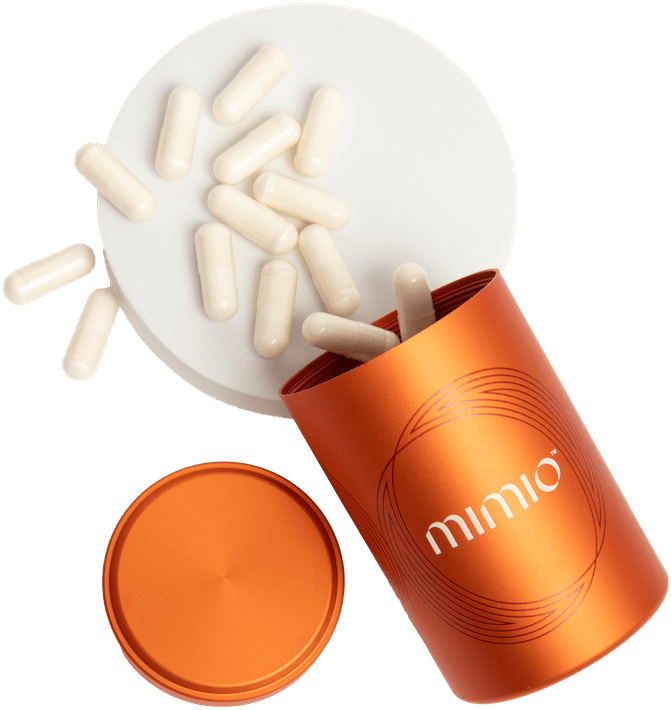
Today, we’re diving deep into the cellular stress response, how hormesis works, and the surprising ways your body becomes stronger, smarter, and more efficient because of it. And yes, we’ll also explore how biomimetic approaches like Mimio Biomimetic Cell Care were designed to activate these same fasting-driven hormetic pathways to support optimal cellular function.
Let’s unlock the science behind your body’s resilience.
What Is the Cellular Stress Response?
The cellular stress response is your body’s built-in emergency protocol — a set of highly conserved pathways that spring into action when your cells sense heat, cold, fasting, toxins, reactive oxygen species, low oxygen, or other stress signals.
But here’s the twist: mild or intermittent activation of these pathways doesn’t damage your cells. It strengthens them.
This beneficial exposure is called hormesis.
Hormesis is what happens when small, controlled doses of stress activate cellular defenses, repair systems, and longevity pathways that wouldn’t turn on otherwise¹.
If overwhelming stress damages you, hormetic stress upgrades you.
Common hormetic stressors:
-
Intermittent fasting
-
Extended fasting (especially a 36 hour fast)
-
Exercise
-
Heat (saunas)
-
Cold exposure
-
Plant polyphenols
-
Breathwork
-
Hypoxia training
-
Caloric restriction
- Fasting-mimetic compounds
These stressors don’t overwhelm the system, they stimulate it.
Hormesis and Longevity: Why Small Stress Is a Big Deal
Your cells have a simple yet profound rule:
Adapt to stress or decline from lack of challenge.
This is why hormesis is so tightly linked to increased lifespan and healthspan in research across yeast, worms, mice, primates, and emerging human trials².
Hormesis activates:
-
Autophagy
-
Mitophagy
-
DNA repair
-
Antioxidant defense systems
-
Mitochondrial biogenesis
-
Anti-inflammatory pathways
-
Epigenetic remodeling
- Stem cell activation
Without these hormetic triggers, your cells “downshift” into maintenance mode. With them, your cells continually repair, renew, and defend.
Why Fasting Is One of the Most Powerful Hormetic Stressors
When you fast, especially during a 36 hour fast, your cells initiate a suite of adaptive stress responses that protect against inflammation, oxidative damage, metabolic dysfunction, and aging.
This deep metabolic switch activates:
-
AMPK (energy-sensing)
-
mTOR inhibition (repair pathways)
-
SIRT1 (longevity pathways)
-
Autophagy (cellular cleanup)
-
Mitophagy (mitochondrial renewal)
- Ketogenesis (cleaner metabolic fuel)
You can explore the full breakdown of how fasting influences these longevity pathways here:
36 hour fasting benefits
These fasting-driven stress signals are so powerful that modern biomimetic research, including what led to the development of Mimio Biomimetic Cell Care, aims to recreate these protective pathways without requiring prolonged caloric restriction.
How Hormesis Works at the Cellular Level
Below are the major branches of the cellular stress response and how they power healthy aging.
1. Autophagy: Cleaning Up Cellular Debris
Autophagy is your cells’ cleaning program. When triggered by fasting, exercise, or heat exposure, autophagy removes damaged proteins, misfolded structures, and dysfunctional organelles³.
Fewer damaged components = a cleaner, more youthful cell.
This process intensifies during longer fasting windows (like a 36 hour fast) and is one of the reasons fasting is so beneficial for longevity. It also explains why biomimetic fasting-mimetic pathways have become a major focus in longevity biotech.
2. Mitophagy: Clearing Out Old Mitochondria
Mitophagy is autophagy’s mitochondria-specific branch. It selectively clears damaged mitochondria so fresh ones can take their place.
You can think of mitophagy as upgrading your body’s batteries.
Activated by fasting, HIIT, cold exposure, and caloric restriction, mitophagy is essential for:
-
Energy production
-
Inflammation control
-
Brain function
-
Metabolic health
- Healthy aging
When mitophagy is impaired, aging accelerates. When it’s active, healthspan expands⁴.
3. Heat-Shock and Cold-Shock Proteins
Extreme temperatures (hot or cold) trigger stress proteins that:
-
Repair damaged proteins
-
Protect DNA
-
Prevent misfolded protein accumulation
- Enhance resilience to oxidative stress
Saunas and cold therapy both create hormetic spikes that strengthen your cellular tolerance.
4. NRF2 Activation: Antioxidant Defense
NRF2 is the master regulator of your body’s antioxidant defense system. It turns on genes responsible for neutralizing free radicals and repairing oxidative damage.
NRF2 is activated by:
-
Fasting
-
Exercise
-
Cruciferous vegetables
-
Green tea catechins
- Light metabolic stress
It’s one of the reasons plant-rich diets and intermittent fasting synergize.
5. Sirtuins: Longevity Regulators
Sirtuins regulate DNA repair, mitochondrial efficiency, inflammation, and metabolic flexibility. They’re activated by:
- Fasting
-
Caloric restriction
-
Ketosis
-
NAD+ boosters
-
Certain plant compounds
-
Fasting-mimetic signals
Sirtuins are central to the hormetic longevity response⁵.
6. AMPK Activation: The Energy Sensor
When energy is low (during fasting or exercise) AMPK switches on, triggering:
-
Fat oxidation
-
Improved insulin sensitivity
-
Better glucose control
-
Mitochondrial production
- Longevity pathways
AMPK is one of the most researched metabolic “youth switches.”
Hormesis vs. Bad Stress: Where the Line Is Drawn
Not all stress is created equal.
|
Type of Stress |
Example |
Outcome |
|
Hormetic (Good) |
Fasting, exercise, cold, heat |
Increases resilience + longevity |
|
Chronic (Bad) |
Sleep deprivation, overwhelm |
Damages cells + accelerates aging |
The key difference:
Hormetic stress comes in pulses. Chronic stress never turns off.
Your cells are designed for challenge, not overwhelm.
How Mimio Fits Into the Hormetic Longevity Model
This is where standard Mimio integration naturally fits.
Years of research by Mimio’s founders, including analyses of human metabolic responses during a 36-hour fast, revealed specific molecules your body produces only during deep hormetic metabolic states.
These molecules directly activate pathways tied to:
-
Autophagy
-
Mitophagy
-
Antioxidant defense
-
DNA repair
-
Metabolic switching
- Sirtuin activation
This research led to the clinically formulated biomimetic approach behind Mimio Biomimetic Cell Care, designed to reproduce key fasting-signal molecules your body uses to activate its natural stress-response systems (even during meals).
This allows individuals who struggle with long fasting windows, or who want to amplify their fasting benefits, to tap into fasting biology in a more accessible, sustainable way.
The Benefits of Cellular Hormesis for Aging
Below is a breakdown of the major anti-aging benefits of the hormetic stress response.
Hormesis Longevity Benefits Table
|
Benefit |
Hormetic Mechanism |
Result |
|
Improved mitochondrial health |
Mitophagy + biogenesis |
Stronger energy, better metabolism |
|
Reduced inflammation |
NRF2 + autophagy |
Lower chronic disease risk |
|
Enhanced metabolic flexibility |
AMPK activation |
Better fat burning + insulin control |
|
DNA repair |
Sirtuins + heat shock |
Slower biological aging |
|
Stronger cognitive health |
Mitophagy + neurotrophins |
Sharper memory + brain resilience |
|
Extended healthspan |
Full stress-response cascade |
More years of high-function living |
Hormesis doesn’t just reduce disease risk, it builds a stronger, younger physiology.
Top Hormetic Practices to Activate Your Cellular Stress Response
Below is your blueprint for activating longevity pathways safely and effectively.
1. Fasting (Intermittent + Extended)
Fasting is the single most powerful hormetic lever for activating the full cellular stress-response cascade.
Benefits include:
-
Autophagy
-
Mitophagy
-
Ketone production
-
Sirtuin activation
-
DNA repair
- Anti-inflammatory signaling
Explore deeper timing strategies here:
36 hour fasting benefits
2. Exercise
Both aerobic and anaerobic exercise activate hormetic pathways.
Best types for cellular resilience:
-
HIIT
-
Zone 2 cardio
-
Strength training
- Sprint intervals
Exercise improves mitochondrial efficiency and metabolic flexibility, which are two of the strongest predictors of longevity⁶.
3. Temperature Stress (Hot + Cold)
-
Saunas: Activate heat-shock proteins + cardiovascular hormesis
- Cold therapy: Improves mitochondrial biogenesis + metabolic switching
These exposures rapidly activate the stress response safely and effectively.
4. Plant Polyphenols
Plant compounds like resveratrol, quercetin, EGCG, curcumin, and flavonoids activate hormetic pathways because your body interprets them as mild stressors.
This is why plant-rich diets consistently correlate with healthier aging⁷.
5. Breathwork and Hypoxic Intervals
Intermittent low-oxygen exposure increases mitochondrial resilience and activates protective stress proteins.
Even short breath-hold intervals can stimulate hormetic adaptation.
6. Biomimetic Fasting Support
Mimio Biomimetic Cell Care was designed to activate the protective pathways linked to fasting biology, especially:
-
AMPK
-
Autophagy regulators
-
Mitochondrial repair signals
- Metabolic switching cues
This makes hormesis more accessible, especially for people who struggle with long fasting windows.
What Happens When the Cellular Stress Response Is NEVER Activated?
When hormesis is absent, biological aging accelerates.
Below is what researchers consistently observe:
|
Without Hormesis |
Result |
|
Lower autophagy |
Accumulation of damaged proteins |
|
Low mitophagy |
Mitochondrial dysfunction |
|
Poor metabolic flexibility |
Higher insulin + inflammation |
|
Weak antioxidant defenses |
Increased oxidative stress |
|
Lower stress tolerance |
Higher chronic disease risk |
Your cells don’t thrive with comfort. They thrive with controlled challenge.
The Future of Longevity Is Hormetic
Longevity research continues to show that hormesis is not optional, it is essential. The safest, most effective anti-aging strategies are the ones that activate the body’s innate stress-response system.
Hormesis is the biological language of resilience.
By strategically incorporating fasting, movement, temperature shifts, plant polyphenols, breathwork, and biomimetic cellular support, you give your body the exact signals it needs to age slower, recover faster, and function at its peak.
Your cells are wired for renewal. Hormesis simply turns the key.
References
- Ristow, M. Hormesis and cellular stress response. Nature Metabolism.
- Gems, D. et al. Stress resistance and longevity. Journal of Gerontology.
- Mizushima, N. Autophagy in health and disease. Nature.
- Pickrell, A. M. et al. Mitophagy and mitochondrial quality control. Annual Review of Cell Biology.
- Choi, J. Sirtuins in metabolic and aging pathways. Cell Metabolism.
- Denham, J. Exercise-induced cellular adaptation. Epigenomics.
- Scalbert, A. et al. Polyphenols and oxidative stress. American Journal of Clinical Nutrition