Most people doing intermittent fasting hit the same wall: they feel great for a few days, then the fatigue, headaches, and hunger creep in, and they blame the fast.
Often, the fast is not the problem. The missing support is.
The right intermittent fasting supplements do not break your fast or undermine your goals. They fill in the gaps that fasting naturally creates — electrolytes lost through reduced eating, micronutrients harder to hit in a compressed window, cellular systems that benefit from targeted support.
This guide covers the best supplements for intermittent fasting based on how they actually work, who they are best suited for, and how to use them without overthinking it.
What Makes a Supplement Worth Taking During Intermittent Fasting?
Not every supplement belongs in an IF routine. The ones worth taking do at least one of the following:
- Support you through the fasting window without breaking the fast
- Help you hit nutritional targets your compressed eating window makes harder
- Reinforce the specific health goals driving your fasting practice
That last point matters more than most people realize. Someone fasting for fat loss needs different support than someone fasting for metabolic health, cellular longevity, or athletic performance.
Define your goal first. Then build your supplement stack around it, not the other way around.
Intermittent Fasting Supplements at a Glance
|
Supplement |
When to Take |
Primary Benefit |
Best For |
|
Electrolytes |
Fasting window |
Hydration, energy |
Anyone who fasts |
|
Magnesium |
Anytime |
Sleep, muscle, recovery |
Most adults, esp. 40+ |
|
Supplement |
When to Take |
Primary Benefit |
Best For |
|
Protein Powder |
Eating window |
Muscle retention, satiety |
Active people, fat loss goals |
|
Creatine |
Eating window |
Strength, lean mass |
Lifters, athletes |
|
Omega-3s |
With food |
Cardiovascular, cell health |
Healthy aging focus |
|
Berberine |
With meals |
Blood sugar support |
Metabolic health goals |
|
Mimio Biomimetic Cell Care |
Anytime |
Cellular fasting pathways |
Longevity, cell health |
The sections below break down how each one works, when to take it, and who benefits most.
Electrolytes: The First Supplement Most IF Beginners Need
Electrolytes are the most consistently useful intermittent fasting supplement, especially in the early weeks of a new fasting routine.
When you reduce eating windows, and particularly if you also eat lower carb, your kidneys excrete more sodium. That triggers a cascade: water follows sodium out, and with it goes magnesium, potassium, and other minerals your body needs to function.
The result is what many people mistake for "fasting symptoms": headaches, brain fog, fatigue, muscle cramps, low energy. In many cases, it is not the fast. It is dehydration and electrolyte depletion.
What to Look For in an Electrolyte Supplement
- Sodium, potassium, and magnesium, which are the core trio
- Little or no sugar (to keep your fasting window clean)
- No artificial sweeteners that may trigger an insulin response
Who Benefits Most
- People fasting for more than 16 hours
- Anyone who exercises while fasted
- People eating lower carb alongside IF
- Anyone experiencing headaches or low energy mid-fast
Electrolytes are non-negotiable if you want to feel functional while fasting. Start here before adding anything else.
Magnesium: Quiet, Underrated, Consistently Effective
Magnesium is one of the most depleted minerals in adults eating a modern diet, and fasting can make that gap more noticeable.
It plays a role in over 300 enzymatic processes: muscle contraction and relaxation, nerve signaling, blood sugar regulation, sleep quality, and protein synthesis. For people who fast regularly, those functions matter directly.
Poor sleep, muscle cramps, elevated fasting stress response, difficulty recovering from training, magnesium deficiency is often a contributing factor in all of them.
Best Forms of Magnesium for IF
- Magnesium glycinate: most bioavailable, gentle on digestion, good for sleep support
- Magnesium malate: supports energy production, good for daytime use
- Magnesium citrate: widely available, effective but can be laxative at high doses
Take magnesium during your eating window or in the evening as part of a sleep routine. It is one of the safest supplements to take long-term and one of the most broadly useful for people who fast consistently.
Protein Powder: Critical for Muscle Retention During IF
Protein powder does not belong in your fasting window if you are running a strict fast. But it absolutely belongs in your overall strategy, and for many people, it is the most important supplement in the stack.
Here is the problem intermittent fasting creates: you are compressing your eating window, which means you have fewer hours to hit your daily protein target. Most people fail to compensate. They eat less protein than they need, lose lean muscle over time, and then wonder why the scale is moving but their body composition is not improving.
Muscle tissue is metabolically active. Losing it slows your metabolism and undermines long-term fat loss. If fat loss or body composition is your goal, protecting muscle should be a top priority, and protein is the primary tool for that.
How to Use Protein Powder With IF
- Break your fast with a high-protein first meal or shake
- Use protein powder post-workout if training falls near your eating window
- Aim for at least 0.7–1.0g of protein per pound of bodyweight daily
- Whey isolate digests quickly; plant-based blends (pea + rice) work well for those who avoid dairy
Protein powder is not glamorous. It is one of the most evidence-backed tools for preserving what matters during a calorie deficit.
Creatine: The Most Evidence-Backed Supplement for Active Fasters
If you train; whether that means lifting weights, running, cycling, or any form of resistance or high-intensity work, creatine is the supplement with the most research support for what you are trying to do.
Creatine supports phosphocreatine synthesis in muscle tissue, which fuels short, intense efforts. That translates to better training sessions, more reps, more output, and (over time) more lean mass retained even during calorie restriction.
For intermittent fasters specifically, creatine addresses one of the trickier challenges: maintaining training quality and muscle mass while eating less and within a narrower window. Research consistently shows creatine helps preserve strength and lean mass during calorie deficits.
How to Take Creatine
- 3–5g daily, taken consistently: timing matters less than regularity
- Take it during your eating window for convenience
- No loading phase required; steady daily use produces the same result over 3–4 weeks
- Creatine monohydrate is the most researched and cost-effective form
Creatine is not just for bodybuilders. Research supports its benefits for cognitive function, healthy aging, and physical performance across age groups. If you are active and fasting, this is one of the few supplements with genuine cross-category value.
Omega-3 Fatty Acids: Long-Term Foundation Support
Omega-3s are not a fasting hack. They are foundational nutrition for people who take their long-term health seriously, and intermittent fasters focused on healthy aging tend to be exactly that kind of person.
EPA and DHA, the active forms found in fatty fish and quality fish oil supplements, support cardiovascular health, cell membrane integrity, inflammatory balance, and brain function. For most adults eating a Western diet, omega-3 intake is chronically low relative to omega-6 intake.
Correcting that ratio is a slow, cumulative process, not something you feel in a week. But over time, it supports the same metabolic and cellular health outcomes that make intermittent fasting valuable in the first place.
Best Sources
- High-quality fish oil (EPA + DHA combined, minimum 1–2g daily)
- Algal oil for plant-based options (more sustainable, equivalent EPA/DHA)
- Krill oil for higher bioavailability, though at higher cost
Take omega-3s with food during your eating window. Fat-soluble nutrients absorb better with a meal.
Berberine: Targeted Support for Metabolic Health Goals
Berberine is one of the more clinically studied plant compounds for metabolic function. It activates AMPK (adenosine monophosphate-activated protein kinase), a cellular energy sensor that plays a central role in glucose metabolism and fat oxidation.
For people using intermittent fasting to improve blood sugar regulation, support lipid markers, or address metabolic syndrome, berberine may compound the benefits of fasting itself.
That said, berberine is not a general wellness supplement. It can interact with medications, particularly those for diabetes, blood pressure, and blood thinning. People with existing prescriptions should discuss it with a healthcare provider before adding it.
Who Should Consider Berberine
- People using IF to improve metabolic markers (blood glucose, lipids, insulin sensitivity)
- Those not on medications that may interact
- Individuals under medical supervision for metabolic conditions
For the right person, berberine can be a meaningful addition. For the wrong person, it can create complications. Approach it deliberately, not casually.
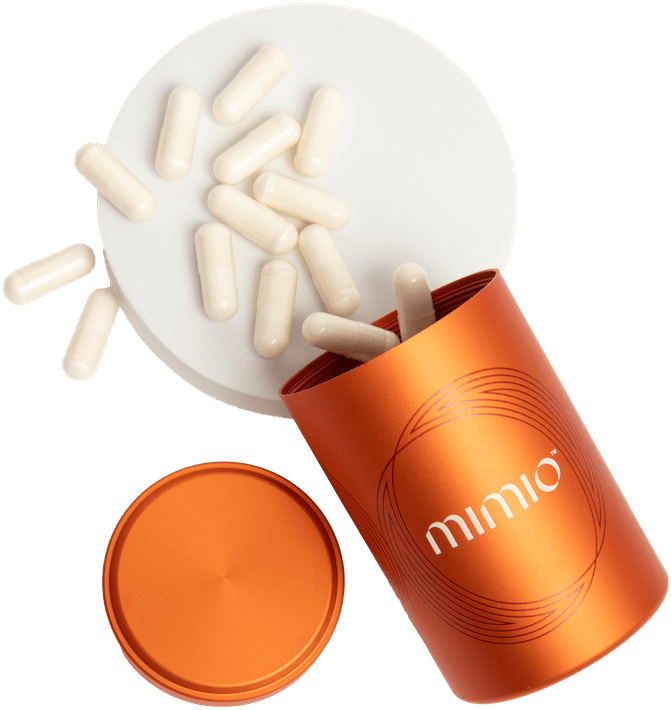
Mimio Biomimetic Cell Care: Fasting Support at the Cellular Level
Most supplements on this list address what happens during and around your fasting window — hydration, muscle retention, performance, nutrient gaps.
Mimio works differently.
Fasting produces measurable changes in cellular biology: it triggers pathways associated with autophagy (cellular recycling), activates NAD+ metabolism, modulates SIRT1 and AMPK signaling, and initiates processes linked to longevity and healthy aging. These are the mechanisms that make fasting scientifically interesting beyond simple calorie restriction.
Mimio Biomimetic Cell Care is formulated to support those fasting-associated pathways, not just the surface-level experience of fasting, but the cellular biology that makes it valuable.
For people who want to support fasting biology more consistently, whether they fast every day, a few days a week, or want cellular support on days when a full fast is not realistic, Mimio Biomimetic Cell Care is designed for exactly that.
Who Is Mimio Best Suited For
- Healthy agers focused on cellular maintenance and longevity
- Intermittent fasters who want to support the deeper biology of fasting, not just the schedule
- Busy adults who want fasting support on days when a full fast is not feasible
- People new to fasting who want a more accessible entry point into fasting-related benefits
This is not about replacing fasting. It is about supporting the cellular systems that fasting activates, more consistently, and with less friction.
What Supplements Can Break Your Fast? (And What to Skip)
One of the most common questions about intermittent fasting supplements is which ones are safe to take during the fasting window. The answer depends on how strict your fast is and what your goals are.
Supplements to Avoid During the Fasting Window
- Protein powders and amino acid supplements: these trigger insulin and metabolic activity that interrupts a clean fast
- BCAAs (branched-chain amino acids): commonly misunderstood as fasting-safe, but they do stimulate an insulin response
- Gummy vitamins: almost always contain sugar or sugar alcohols
- Creamers, collagen drinks, or anything with caloric content
- Fat-soluble vitamins taken without food: absorption is lower and they are better paired with meals
Generally Safe During the Fasting Window
- Plain electrolytes (sugar-free)
- Plain black coffee or green tea
- Water-soluble vitamins (vitamin C, B vitamins) — minimal caloric impact
- Magnesium in powder form without sweeteners
- Creatine monohydrate (no caloric impact)
When in doubt: if it has calories or triggers a noticeable metabolic response, save it for your eating window. The cleaner your fast, the more clearly you can track what is and is not working.
How to Build Your IF Supplement Stack Based on Your Goal
Goal: Fat Loss and Appetite Control
- Electrolytes: manage hunger and energy during the fast
- Magnesium: sleep quality and metabolic support
- Protein powder: protect muscle, increase satiety in eating window
- Berberine (optional): blood sugar and metabolic support
Goal: Muscle Retention and Training Performance
- Creatine: strength, power output, lean mass preservation
- Protein powder: daily protein target in a compressed window
- Electrolytes: performance during fasted or semi-fasted training
- Magnesium: recovery and sleep quality
Goal: Healthy Aging and Cellular Support
- Mimio Biomimetic Cell Care: cellular fasting pathways, longevity support
- Omega-3s: cardiovascular and cell membrane health
- Magnesium: broad micronutrient support
- Protein powder: muscle mass preservation, a primary longevity marker
Goal: Better Fasting Consistency and Adherence
- Electrolytes first: this solves 80% of early fasting discomfort
- Magnesium: sleep and stress resilience
- Smaller eating window adjustments before adding more supplements
Start with less. Add based on real gaps, not marketing promises.
Do Supplements Break Intermittent Fasting?
This is one of the most searched questions in the IF space, and the answer is nuanced.
Supplements with calories, protein, carbohydrates, or fats break a metabolic fast. Supplements with no caloric content and no meaningful insulin-stimulating effect do not.
The more important question is: what are you fasting for?
- If you are fasting for autophagy and cellular benefits, keep the window clean. Even small caloric inputs can interrupt the signaling pathways that make fasting biologically valuable.
- If you are fasting for glucose control or fat loss: some flexibility is acceptable. The metabolic benefits still accrue with minor disruptions.
- If you are fasting for simplicity and calorie reduction: the rules are more flexible still.
Define your goal, then match your supplement rules to it. Vague fasting with vague rules produces vague results.
Frequently Asked Questions About Intermittent Fasting Supplements
Can I take supplements while intermittent fasting?
Yes, with caveats. Water-soluble vitamins, electrolytes, creatine, and magnesium (sugar-free forms) can generally be taken during the fasting window without disrupting a clean fast. Protein powders, amino acids, gummy vitamins, and anything caloric should be saved for the eating window.
What is the best supplement to take while fasting?
For most people, electrolytes are the highest-impact first supplement. They address the most common fasting discomforts, headaches, fatigue, muscle cramps, directly and quickly. Magnesium is a close second for broader support.
Can you take vitamins while intermittent fasting?
Most water-soluble vitamins (vitamin C, B complex) can be taken during the fasting window without concern. Fat-soluble vitamins (A, D, E, K) are best paired with a meal during your eating window for optimal absorption and to avoid nausea.
Do supplements break a fast?
Supplements with no caloric content and no meaningful insulin-stimulating effect do not break a metabolic fast. Protein supplements, amino acids, and anything containing sugar or calories do. The answer also depends on the type of fast: strict autophagy fasts require more discipline than modified or time-restricted eating protocols.
What is a biomimetic fasting supplement?
A biomimetic fasting supplement is formulated to support the cellular pathways activated by fasting, such as autophagy, NAD+ metabolism, and AMPK/SIRT1 signaling, without requiring a full extended fast. Mimio Biomimetic Cell Care is designed around this concept, providing cellular-level fasting support that complements a regular intermittent fasting practice.
Should I take creatine while intermittent fasting?
Yes. Creatine has no caloric content and does not disrupt insulin signaling. It is one of the most evidence-supported supplements for people combining IF with resistance training. Take it during your eating window for convenience, but timing is less critical than consistency.
What breaks a fast for supplements?
Calories break a fast. More specifically: protein and amino acids trigger insulin and mTOR signaling; carbohydrates raise blood glucose; fats have a smaller but real effect. Sugar-containing supplements, gummy vitamins, protein powders, and caloric drink mixes break a strict fast. Plain water, black coffee, and zero-calorie electrolytes generally do not.
What Actually Drives Intermittent Fasting Results?
Supplements support results. They do not create them.
The actual drivers of intermittent fasting outcomes are consistent and well-documented:
- Adherence: showing up consistently, week over week
- Protein intake: protecting lean mass through adequate daily protein
- Sleep quality: the most undervalued recovery and metabolic variable
- Resistance training: the most powerful tool for body composition
- Diet quality during the eating window: fasting does not offset poor food choices
- Stress management: chronic cortisol elevation undermines most IF benefits
Supplements make the process feel smoother and fill genuine nutritional gaps. But the people who get results from intermittent fasting are the ones doing the hard, consistent, unsexy work underneath.
Build that foundation first. Then optimize with supplements.
Final Thoughts
The best intermittent fasting supplements are the ones that solve real problems in your specific routine.
For most people, that means electrolytes for the fasting window, magnesium for sleep and recovery, protein powder to protect muscle, and creatine if you train seriously. Omega-3s support the long-term health picture. Berberine may help those with specific metabolic goals.
And for those who want to support the deeper cellular biology that makes fasting scientifically compelling: the autophagy, the cellular recycling, the longevity-associated pathways, which a targeted approach like Mimio Biomimetic Cell Care that brings cellular-level fasting support to your routine without requiring longer, harder fasts.
Less is usually more. Start with the basics, stay consistent, and add support where the gaps actually exist.
That is where results begin, not in a longer supplement list, but in a smarter one.
References
-
Song, D. K., et al. (2022). Beneficial effects of intermittent fasting: a narrative review. Nutrients.
-
Mishra, S., et al. (2023). Time-restricted eating and its metabolic benefits. Cureus.
-
Tinsley, G. M., et al. (2025). A critical assessment of fasting to promote metabolic health and body composition. Endocrine Reviews.
-
NIH, Office of Dietary Supplements. Dietary Supplements for Exercise and Athletic Performance.
-
NIH, Office of Dietary Supplements. Magnesium Fact Sheet for Health Professionals.
-
NIH, Office of Dietary Supplements. Omega-3 Fatty Acids Fact Sheet for Health Professionals.
-
MedlinePlus. Electrolyte Panel. U.S. National Library of Medicine.
-
Wang, Z., et al. (2024). Effects of creatine supplementation and resistance training on strength performance. Systematic Review and Meta-analysis.
-
Davies, T. W., et al. (2024). Creatine supplementation for optimization of physical function and muscle mass. Journal of Parenteral and Enteral Nutrition.
-
Liu, D., et al. (2025). Efficacy and safety of berberine on the components of metabolic syndrome. Systematic Review and Meta-analysis.
-
Shi, L., et al. (2025). Berberine and health outcomes: an overview of systematic reviews. Frontiers in Pharmacology.
-
Burke, R., et al. (2023). The effects of creatine supplementation combined with resistance training on muscle hypertrophy. Systematic Review.