When Does Autophagy Start? The Science of Timing
One of the most common questions about fasting is: when does autophagy actually begin? The answer depends on several factors, but research gives us a clear framework for understanding autophagy activation.
Autophagy is not an on/off switch. Instead, think of it as a dimmer that gradually brightens as your fast extends. Low levels of autophagy occur constantly in your cells as part of normal cellular maintenance. However, significant autophagy activation typically begins between 16-24 hours of fasting, with activity increasing substantially as the fast continues.
The Autophagy Activation Timeline
- 12-16 hours: Baseline autophagy begins to increase. Insulin levels drop, and your body starts transitioning away from glucose metabolism.
- 16-24 hours: Autophagy ramps up significantly. AMPK (AMP-activated protein kinase) activates, triggering cellular cleanup processes.
- 24-36 hours: Autophagy accelerates further. Studies show autophagy markers increase by approximately 300% compared to baseline.
- 36-72 hours: Peak autophagy zone. Cellular cleanup is at maximum efficiency, with significant regeneration occurring.
It is important to note that individual variation exists. Factors like your metabolic health, activity level, what you ate before fasting, and whether you are keto-adapted can all influence when autophagy begins and how intense it becomes.
Is 16 Hours of Fasting Enough for Autophagy?
The short answer is: yes, 16 hours can initiate autophagy, but it is just the beginning.
The popular 16:8 intermittent fasting protocol (fasting for 16 hours, eating within an 8-hour window) can trigger early autophagy processes, particularly if practiced consistently. Research on early time-restricted feeding demonstrates that 16-18 hour fasts can increase autophagy markers in humans when practiced regularly.
However, if your primary goal is maximizing autophagy for cellular regeneration, longer fasts provide more significant benefits:
- 16 hours: Entry-level autophagy. Good for daily maintenance and metabolic health.
- 20-24 hours: Moderate autophagy. Enhanced cellular cleanup and fat burning.
- 24-36 hours: Significant autophagy. Deep cellular repair and immune system benefits.
- 36-72 hours: Peak autophagy. Maximum cellular regeneration (should be done occasionally, not daily).
The best approach for most people is to practice shorter fasts (16-20 hours) regularly, with occasional longer fasts (24-36 hours) once or twice per month for deeper autophagy benefits.
The Complete Stages of Fasting: Hour-by-Hour Breakdown
Understanding what happens at each stage of fasting helps you optimize your fasting practice and know what to expect. Here is a comprehensive breakdown of the fasting stages by hour:
Stage 1: Fed State (0-4 Hours)
During the first few hours after eating, your body is in full digestive mode. Insulin levels are elevated as your body processes glucose from your meal. Blood sugar rises and then gradually falls. No significant fasting benefits occur during this phase, as your body is still actively absorbing and storing nutrients.
Key processes: Digestion, nutrient absorption, insulin secretion, glycogen storage
Stage 2: Early Fasting (4-12 Hours)
Blood sugar stabilizes and insulin levels begin declining. Your body starts tapping into glycogen (stored glucose) in the liver for energy. The digestive system enters a rest phase, and the migrating motor complex (MMC) activates, which is a cleaning wave that sweeps through your gut.
Key processes: Glycogenolysis begins, insulin drops, gut rest, HGH starts rising
Stage 3: Fasted State (12-18 Hours)
This is the transition zone. Glycogen stores become significantly depleted, and your body increasingly turns to fat for fuel. Ketone production begins as the liver converts fatty acids. Early autophagy processes activate. Growth hormone continues to rise, protecting muscle mass.
Key processes: Glycogen depletion, early ketogenesis, autophagy initiation, AMPK activation
Stage 4: Fat Burning and Ketosis (18-24 Hours)
Your body has fully transitioned to fat-burning mode. Ketone levels rise significantly, providing alternative fuel for your brain. Autophagy ramps up substantially. Many people report mental clarity and reduced hunger during this phase as ketones suppress appetite.
Key processes: Active ketosis, significant autophagy, BDNF increase, inflammation reduction
Stage 5: Deep Autophagy (24-48 Hours)
Autophagy reaches elevated levels. Damaged proteins and cellular components are aggressively recycled. Growth hormone may increase 300-500% above baseline. The immune system begins producing new white blood cells. This is the therapeutic zone for significant cellular repair.
Key processes: Peak autophagy, immune renewal, stem cell activation, deep ketosis
Stage 6: Extended Fasting (48-72+ Hours)
Autophagy continues at high levels. The immune system undergoes significant regeneration. IGF-1 (insulin-like growth factor) drops substantially, which is associated with longevity and reduced cancer risk. This stage should only be attempted by experienced fasters with medical guidance.
Signs of Autophagy: How to Know It Is Working
Since we cannot directly measure autophagy without laboratory testing, most people rely on indirect signs that autophagy is occurring:
- Hunger reduction after initial waves: As ketones rise and autophagy activates, hunger often paradoxically decreases.
- Mental clarity and focus: Ketones efficiently fuel the brain, and BDNF increases during autophagy.
- Stable energy without food: Rather than energy crashes, you feel sustained and even.
- Ketone breath or body odor: A slightly fruity or acetone-like smell indicates ketosis, which correlates with autophagy.
- Reduced inflammation or joint pain: Some people notice decreased inflammation symptoms during extended fasts.
What Breaks Autophagy?
Understanding what disrupts autophagy helps you maintain the benefits of your fast:
- Calories: Any significant caloric intake (generally above 50 calories) will trigger insulin and halt autophagy.
- Protein: Even small amounts of protein can stimulate mTOR, which inhibits autophagy.
- Some artificial sweeteners: While debated, some sweeteners may trigger insulin responses in sensitive individuals.
- BCAAs and amino acids: Branch-chain amino acids directly activate mTOR and shut down autophagy.
What does NOT break autophagy:
- Water, sparkling water
- Black coffee (may actually enhance autophagy)
- Plain tea (green, black, herbal)
- Electrolytes without calories
Factors That Enhance or Inhibit Autophagy
Several lifestyle factors can enhance or inhibit autophagy beyond just fasting duration:
Autophagy Enhancers:
- Exercise: Both aerobic and resistance training can boost autophagy, especially when combined with fasting.
- Sleep: Quality sleep supports autophagy in the brain (glymphatic system clearance).
- Coffee and green tea: Polyphenols in these beverages have been shown to enhance autophagy.
- Prior ketogenic eating: Being fat-adapted helps you enter deeper autophagy faster.
- Cold exposure: Cold stress can activate AMPK and enhance autophagy.
Autophagy Inhibitors:
- Frequent eating: Constant snacking keeps insulin elevated and suppresses autophagy.
- High-protein meals: Excess protein activates mTOR, which inhibits autophagy.
- Chronic stress: Elevated cortisol can interfere with optimal autophagy.
- Alcohol: Disrupts liver function and autophagy processes.
Frequently Asked Questions About Autophagy and Fasting
How long do you need to fast for autophagy?
Autophagy begins to increase around 12-16 hours of fasting, with significant activation occurring between 16-24 hours. For deeper autophagy benefits, fasts of 24-48 hours provide more substantial cellular cleanup. However, even consistent 16-hour fasts can provide meaningful autophagy benefits over time.
Does coffee break autophagy?
No, black coffee does not break autophagy. In fact, research suggests that coffee polyphenols may actually enhance autophagy. However, adding cream, sugar, or sweeteners to your coffee can disrupt the fasting state. Stick to plain black coffee to maintain autophagy benefits.
Can you exercise while fasting for autophagy?
Yes, and exercise may actually enhance autophagy. Light to moderate exercise during a fast can accelerate fat burning and boost autophagy activation. However, intense exercise during extended fasts (24+ hours) should be approached carefully due to depleted glycogen stores. Walking, yoga, and light resistance training are excellent choices during fasting.
What are the signs that autophagy is happening?
Common signs include: reduced hunger after the initial waves, increased mental clarity and focus, stable energy levels, mild ketone breath (fruity smell), and reduced inflammation or joint discomfort. These signs typically emerge after 18-24 hours of fasting.
Is intermittent fasting enough for autophagy?
Yes, intermittent fasting can trigger autophagy, though the extent depends on the fasting window. The popular 16:8 protocol initiates early autophagy, while 20:4 and OMAD provide more significant activation. For maximum autophagy benefits, occasional 24-36 hour fasts complement a regular intermittent fasting practice.
Does autophagy help with loose skin?
There is anecdotal evidence that autophagy may help with skin tightening by recycling excess proteins, but scientific research specifically on loose skin and autophagy is limited. Some people report improved skin appearance with regular extended fasting, potentially due to autophagy-driven cellular renewal and collagen recycling.
Mimio: Autophagy Benefits Without Extended Fasting
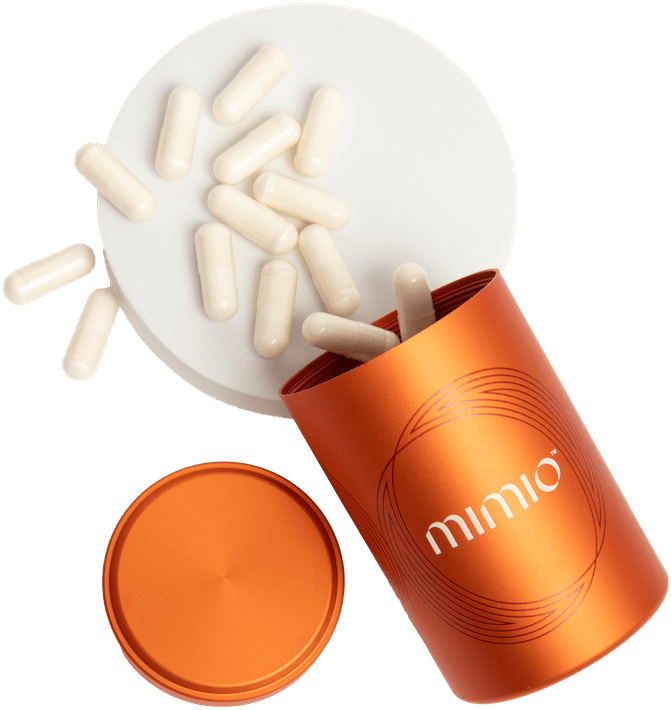
While fasting is a powerful way to activate autophagy, extended fasting is not practical or safe for everyone. That is why Dr. Chris Rhodes developed Mimio Biomimetic Cell Care, a supplement formulated to activate the same cellular pathways triggered by fasting.
Mimio works by mimicking the molecular signals your body produces during a fast, including activation of AMPK, support for autophagy processes, and enhancement of cellular energy production. For those who practice intermittent fasting, Mimio can amplify the benefits. For those who cannot fast, Mimio provides an alternative path to cellular renewal.
Learn about the specific benefits of 36-hour fasting for deeper autophagy
Conclusion: Your Personalized Autophagy Strategy
Understanding when autophagy starts and how to optimize it empowers you to design a fasting practice that fits your life and goals. Whether you are practicing daily 16:8 intermittent fasting, occasional 24-36 hour fasts, or supplementing with autophagy enhancers like Mimio, the benefits of cellular renewal are within reach.
Remember: autophagy is not an all-or-nothing process. Even modest fasting windows provide benefits, and consistency matters more than perfection. Start where you are, extend your fasting window gradually, and listen to your body as you unlock your cellular potential.
References
-
Alirezaei M, et al. "Short-term fasting induces profound neuronal autophagy." Autophagy, 2010.
-
Jamshed H, et al. "Early Time-Restricted Feeding Improves 24-Hour Glucose Levels and Affects Markers of the Circadian Clock, Aging, and Autophagy." Nutrients, 2019.
-
Pietrocola F, et al. "Coffee induces autophagy in vivo." Cell Cycle, 2014.
-
de Cabo R, Mattson MP. "Effects of Intermittent Fasting on Health, Aging, and Disease." New England Journal of Medicine, 2019.
-
Ohsumi Y. "Historical landmarks of autophagy research." Cell Research, 2014.